Hip replacement surgery has become one of the most reliable solutions for chronic hip pain and mobility issues. With advancements in medical technology, patients today can expect safer procedures, faster recovery, and long-lasting results. If you are considering treatment with a Robotic Hip Replacement Surgeon in Pune, understanding the modern surgical process can help reduce anxiety and prepare you for a successful outcome.
Understanding Hip Replacement Surgery
Hip replacement is a procedure where a damaged hip joint is replaced with an artificial implant. It is commonly recommended for patients suffering from:
- Severe arthritis
- Chronic hip pain
- Limited mobility
- Joint degeneration
Modern techniques have significantly improved both the safety and effectiveness of this procedure.
How Modern Hip Replacement Differs from Traditional Methods
Traditional hip replacement involved large incisions and longer recovery periods. Today, modern approaches focus on precision and minimal invasiveness.
Key Improvements:
- Smaller incisions
- Less muscle damage
- Advanced surgical tools
- Faster recovery timelines
These advancements make the procedure more comfortable and efficient for patients.
Step-by-Step Process of Modern Hip Replacement Surgery
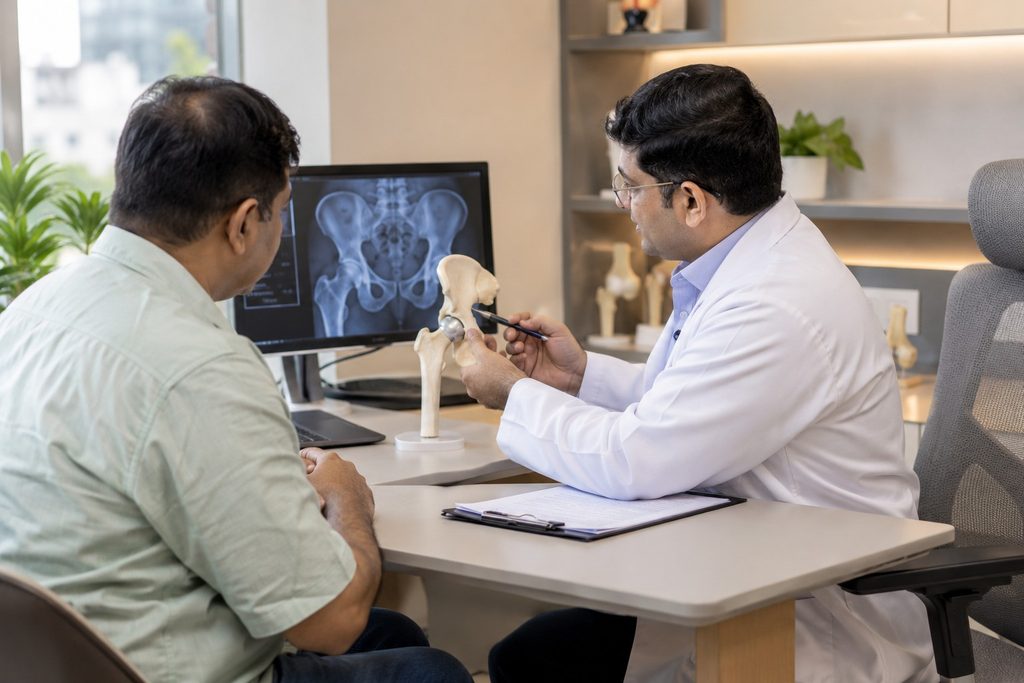
1. Initial Consultation
Your journey begins with a detailed consultation where the surgeon:
- Reviews your medical history
- Conducts physical examinations
- Recommends imaging tests like X-rays or MRI
This helps determine whether surgery is the right option for you.
2. Pre-Surgical Planning
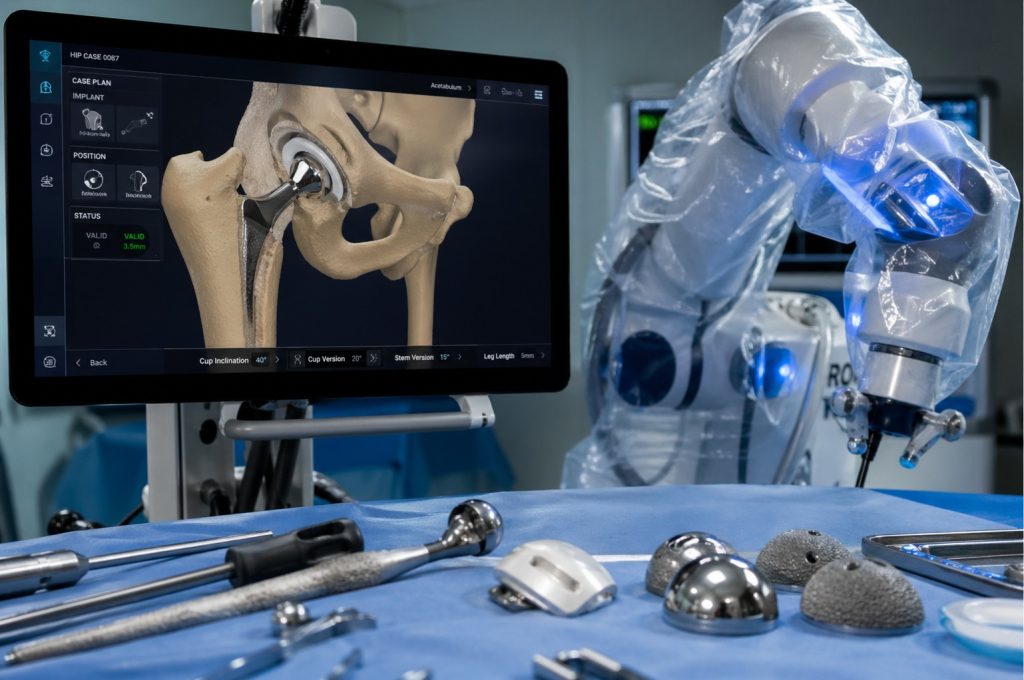
Modern surgery relies heavily on technology. Surgeons create a personalized plan using:
- 3D imaging
- Computer-assisted tools
- Detailed analysis of your joint structure
This ensures precision during the procedure.
3. Surgical Procedure
During the surgery:
- The damaged joint is removed
- The artificial implant is placed
- Advanced tools assist in accurate positioning
Robotic-assisted systems may be used to enhance precision and consistency.
4. Post-Surgery Care
After surgery, patients are monitored closely. Key aspects include:
- Pain management
- Early mobility
- Prevention of complications
Most patients begin walking within a day or two.
Benefits of Modern Hip Replacement Surgery
1. Faster Recovery
Modern techniques allow patients to recover more quickly compared to traditional methods.
2. Reduced Pain
Minimally invasive approaches result in less tissue damage, leading to reduced pain.
3. Improved Mobility
Patients regain better movement and flexibility after recovery.
4. Long-Lasting Results
Advanced implants are designed to last for many years, improving quality of life.
Minimally Invasive Techniques in Focus
One of the most significant advancements in hip replacement is the introduction of minimally invasive procedures.
A leading example is Superpath hip surgery Pune, which uses a muscle-sparing approach to perform the procedure. This technique offers:
- Minimal disruption to surrounding tissues
- Faster healing
- Reduced hospital stay
- Lower risk of complications
Patients opting for such methods often experience smoother and quicker recoveries.
Who is a Suitable Candidate?
Modern hip replacement is suitable for:
- Patients with severe joint damage
- Individuals experiencing chronic pain
- Those who have not responded to medication or therapy
- People looking to restore mobility and independence
A thorough evaluation by a specialist will determine your eligibility.
Recovery Timeline
Recovery varies from person to person, but a general timeline includes:
- Day 1–2: Walking with assistance
- Week 2–4: Improved mobility
- 1–3 Months: Resuming daily activities
- 3–6 Months: Full recovery
Following medical advice is crucial for achieving the best results.
Tips for a Smooth Recovery
To ensure a successful recovery:
- Follow your doctor’s instructions carefully
- Attend physiotherapy sessions regularly
- Maintain a healthy diet
- Avoid strenuous activities initially
- Stay consistent with rehabilitation
Possible Risks and How They Are Minimized
Like any surgery, hip replacement carries some risks, including:
- Infection
- Blood clots
- Implant issues
However, modern techniques significantly reduce these risks through:
- Advanced technology
- Better surgical planning
- Improved hygiene standards
Cost Considerations
The cost of hip replacement depends on several factors:
- Type of procedure
- Surgeon’s expertise
- Hospital facilities
- Implant quality
While advanced procedures may have a higher initial cost, they offer better long-term value due to faster recovery and fewer complications.
Importance of Choosing the Right Surgeon
Even with advanced technology, the surgeon’s expertise remains crucial.
A skilled surgeon will:
- Select the best technique for your condition
- Ensure precise execution
- Guide you through recovery
Choosing the right specialist can make a significant difference in your overall experience and results.
Future of Hip Replacement Surgery
The future of hip replacement looks promising with continuous innovations such as:
- AI-assisted surgical planning
- Improved implant materials
- Enhanced recovery techniques
These advancements will further improve patient outcomes and safety.
Conclusion
Modern hip replacement surgery has transformed the way patients experience treatment and recovery. With advanced techniques, improved precision, and faster healing, patients can now return to their normal lives more quickly and comfortably.
Understanding what to expect helps you prepare both physically and mentally for the journey ahead. Choosing the right surgeon and treatment approach is essential for achieving the best possible results.
For those considering advanced options, consulting experienced Superpath hip replacement surgeons in pune can provide access to the latest techniques and ensure a smoother recovery process.
FAQs
1. How long does hip replacement surgery take?
Typically between 1 to 2 hours.
2. When can I walk after surgery?
Most patients can walk within 24–48 hours with support.
3. Is modern hip replacement safe?
Yes, it is highly safe due to advanced techniques and technology.
4. How long does recovery take?
Full recovery usually takes 3–6 months.
5. Are minimally invasive techniques better?
Yes, they offer faster recovery, less pain, and fewer complications.