Hip pain has a sneaky way of showing up in the most ordinary moments. Bending down to tie your shoelaces. Getting out of a low chair. Turning over in bed at night. What starts as a minor twinge often builds up quietly until it’s affecting almost everything you do. If this sounds familiar, figuring out what’s actually causing it is the real first step and that’s exactly where a Best Hip Replacement Surgeon in Pune Maharashtra India can help make sense of things.
Hip pain doesn’t always mean the hip needs replacing right away. Most cases actually start with something a lot more manageable. It’s just a matter of figuring out what’s really going on underneath it all.
Osteoarthritis: The Most Common Culprit
Osteoarthritis is, by far, the leading cause behind most cases that eventually need Hip Replacement Surgery in Pune Maharashtra India. It happens when the cartilage cushioning the hip joint wears down gradually over the years, until bone starts rubbing against bone. Usually it shows up as morning stiffness, a dull ache that gets worse with activity, and a noticeable dip in how far you can actually move the joint.
Age plays a role here, sure, but it’s not the only factor. Genetics, old joint injuries, even years of physical strain from certain jobs can all speed things along.
Rheumatoid Arthritis and Other Inflammatory Conditions
Unlike osteoarthritis, which is mostly wear-and-tear, rheumatoid arthritis is an autoimmune condition where the body’s own immune system ends up attacking the joint lining. This brings inflammation, swelling, and over time, real damage to the joint structure. Hip pain from rheumatoid arthritis usually comes with stiffness that’s noticeably worse in the mornings, and it tends to hit multiple joints at once, not just the hip.
Other inflammatory conditions, like ankylosing spondylitis, can affect the hip too, and left untreated, contribute to long-term damage.
Hip Fractures
A fracture’s one of the more sudden causes of hip pain usually from a fall, an accident, or in older adults, sometimes even a fairly minor stumble. Weakened bones from osteoporosis make fractures more likely with far less force than you’d think. Hip fractures typically bring sharp, immediate pain and an inability to put weight on the affected leg, which usually means getting medical attention right away rather than waiting to see how it goes.
Avascular Necrosis
This happens when blood supply to the hip joint gets cut off somewhere along the line, causing the bone tissue to slowly die off. Without enough blood flow, the joint surface can eventually collapse, bringing pain and reduced mobility along with it. Avascular necrosis often traces back to long-term steroid use, heavy alcohol consumption, or previous trauma to the hip though sometimes, honestly, the exact cause just isn’t clear.
Bursitis
Bursitis is inflammation of the small fluid-filled sacs, called bursae, that cushion the hip joint and cut down friction between bones, tendons and muscles. This usually causes pain on the outer side of the hip, especially when lying on that side or climbing stairs. It’s generally less severe than arthritis-related pain and tends to respond well to rest, physiotherapy and anti-inflammatory treatment.
Tendinitis and Muscle Strains
Overuse or a sudden strain on the muscles and tendons around the hip especially in people who are physically active, or who’ve recently ramped up their activity can lead to tendinitis. This usually shows up as pain in one specific spot that gets worse with certain movements, like climbing stairs or standing up from sitting. Rest and the right physiotherapy are typically where treatment starts here.
Labral tears
The labrum is a ring of cartilage that lines the hip socket and helps stabilise the joint. Tears here, often from repetitive motion, structural issues, or an injury, can cause a catching or locking feeling in the hip, along with pain during certain movements. It’s something you see a lot in athletes and anyone whose sport demands frequent hip rotation.
Previous Hip Surgery or Injury
For patients who’ve already had hip surgery or a significant injury, ongoing pain can sometimes trace back to how the joint healed, scar tissue that’s built up over time, or gradual wear on a joint that was already compromised to begin with. This is where a detailed medical history really starts to matter during evaluation.
When Should You See a Specialist?
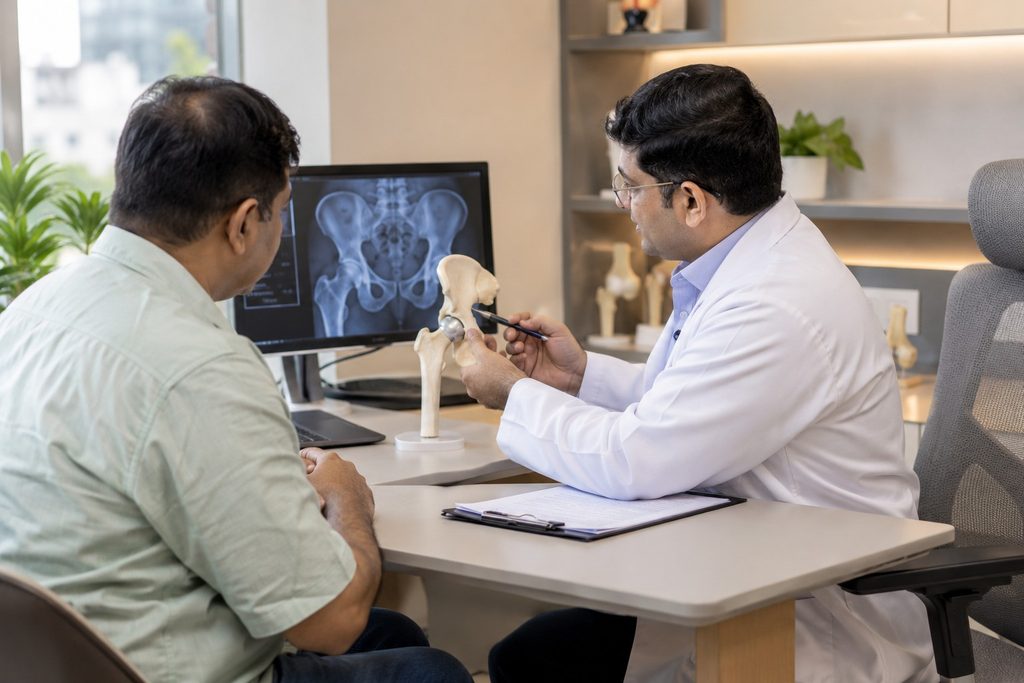
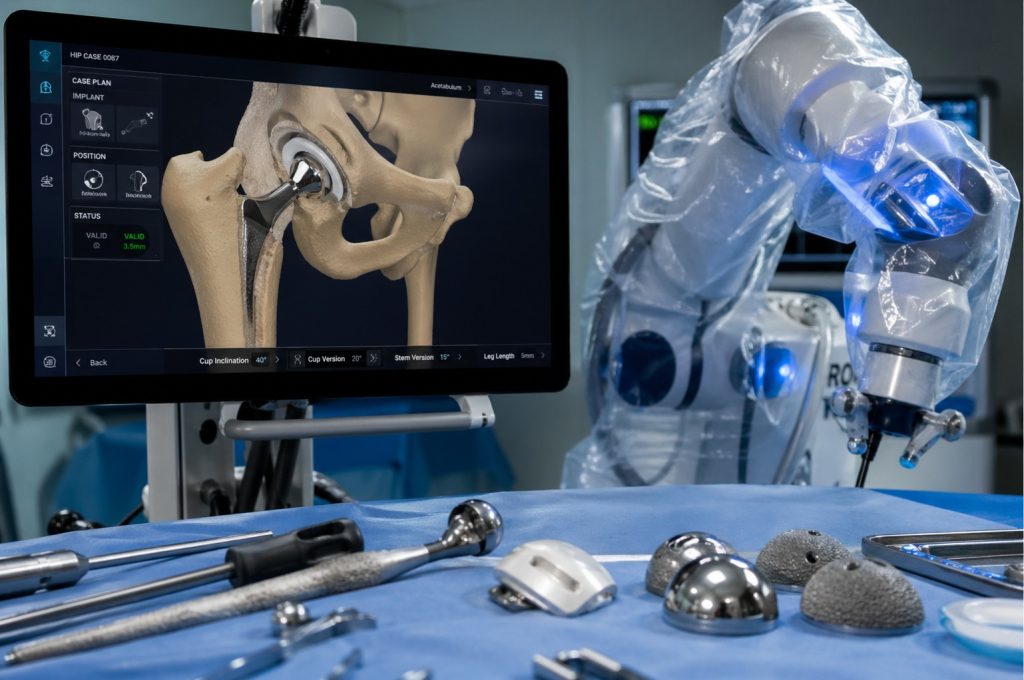
Not every case of hip pain needs surgery, and a good specialist will always start with a proper evaluation rather than jumping to conclusions. That said, it’s worth a visit to the doctor if: Pain lasting more than a few weeks despite taking it easy You have obvious swelling, stiffness or loss of range of motion Pain is interfering with sleep or daily activities Hip pain after a fall or injury Over the counter pain relief isn’t cutting it A proper diagnosis, which is usually a physical exam plus imaging (x-rays or an MRI), will help determine if the problem can be managed conservatively, or if something more advanced, like Hip Replacement Surgery in Pune Maharashtra India, is really needed.
Why Getting an Accurate Diagnosis Matters
Hip pain can come from so many different places that treating it without a clear diagnosis usually just leads to more frustration and continued discomfort. A Best Hip Replacement Surgeon in Pune Maharashtra India typically starts by ruling out the less serious causes first, since a lot of conditions actually respond well to physiotherapy, medication or lifestyle changes without ever needing surgery.
Surgery, when it does come up, is usually reserved for cases where the joint damage’s gone far enough that conservative treatment just won’t give lasting relief anymore.
Frequently Asked Questions
1. What is the most common cause of hip pain in older adults?
Osteoarthritis is most often the cause, and this occurs gradually as the cartilage that cushions the hip joint gradually wears away.
2. Can hip pain go away without surgery?
Yes, plenty of causes bursitis, tendinitis, mild osteoarthritis often improve with rest, physiotherapy and the right medication.
3. How can I tell if I need to see a doctor for my hip pain?
If it has been there for a few weeks, getting worse or affecting walking or sleeping then it is worth getting it checked rather than waiting it out.
4. Hip Replacement Is the Only Answer for Arthritis Hip Pain?
Nope. “It is usually only considered when conservative treatments have failed and the damage to the joint is serious enough to impact on daily life.
5. hip pain diagnosis?
Usually through a physical exam along with imaging like X-rays or an MRI to pin down what’s actually going on.