
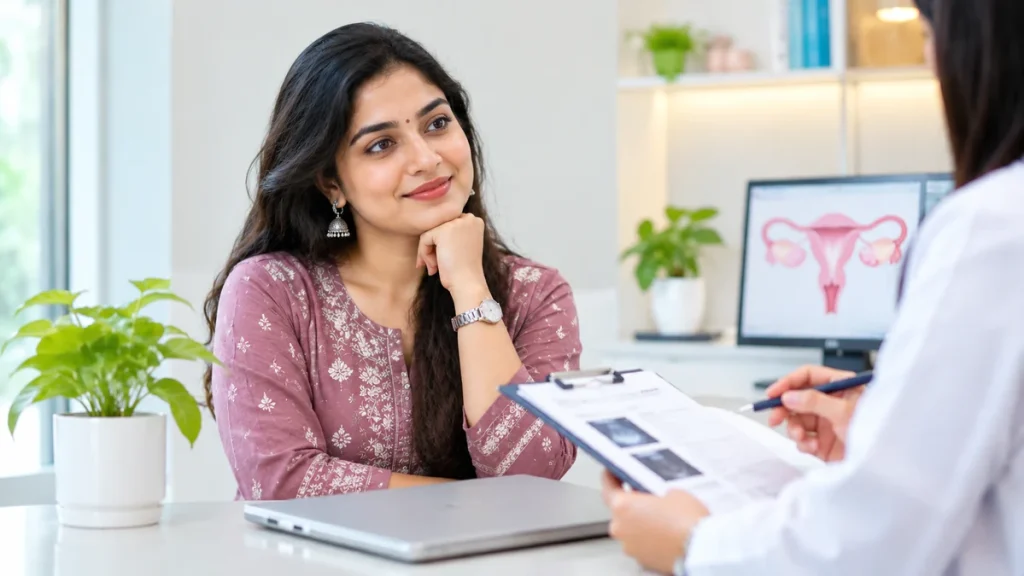
Irregular periods, sudden weight gain, acne and hair fall are no longer rare complaints among young women. Search interest in PCOS and PCOD has grown sharply, yet many women still wait years for the right diagnosis.
If these signs sound familiar, consulting an experienced Gynecologist in Akurdi can give you a clear diagnosis and a treatment plan that suits your age, lifestyle and family goals. At Dr. Darshana Sonwane’s clinic, women receive honest guidance in simple language, without unnecessary tests or confusion.
Quick Highlights
Rising Concern
PCOS and PCOD are among the most searched women’s health topics today.
Early Warning
Irregular periods are often the first sign your hormones need attention.
Protect Your Future
Timely diagnosis supports fertility and long-term heart and metabolic health.
Better Together
Lifestyle changes combined with medical guidance deliver the best results.
PCOS vs PCOD: What Is the Difference?
The two terms are often used interchangeably, but they are not the same. PCOD is more common and usually easier to manage, while PCOS is a broader hormonal and metabolic condition. Only a medical evaluation can tell them apart.
| Point | PCOD | PCOS |
|---|---|---|
| Basic meaning | Ovaries release many immature or partly mature eggs that may form small cysts | A hormonal and metabolic disorder with ovulation problems and raised androgens |
| Nature of condition | Commonly seen and generally milder | More complex and affects the whole body |
| Ovulation | Usually continues, sometimes irregularly | Often irregular or absent |
| Insulin resistance | Less common | Common and a key driver |
| Effect on fertility | Conception is possible, often with minor support | May cause delays and often needs medical help |
| Long-term risks | Low if managed well | Higher risk of diabetes, heart disease and high cholesterol |
| Management | Diet, exercise and basic medication | Lifestyle changes plus ongoing medical treatment |
Common Symptoms to Watch For
- Irregular, delayed or missed periods
- Weight gain, especially around the abdomen
- Acne and oily skin
- Excess hair on the face, chest or back
- Thinning hair on the scalp
- Dark patches on the neck or underarms
- Difficulty in conceiving
- Mood swings and constant fatigue
Causes and Risk Factors
The exact cause is not fully known, but several factors play a role. Insulin resistance, hormonal imbalance, family history, stress, poor sleep and a processed-food diet can all contribute.
How Is It Diagnosed and Treated?
The doctor reviews your menstrual history, examines you and may advise blood tests for hormones and blood sugar, along with a pelvic ultrasound.
Treatment is personalised. It may include lifestyle changes, medicines to regulate cycles or improve insulin response, and ovulation support when you are planning a pregnancy. Please avoid self-medication.
5 Daily Habits That Support Hormonal Balance
- Walk or exercise for about 30 minutes on most days.
- Eat fibre-rich, protein-balanced meals and cut back on sugary and processed food.
- Sleep 7 to 8 hours at a regular time every night.
- Manage stress with yoga, breathing exercises or hobbies.
- Keep up regular check-ups instead of waiting for problems.
Women’s Healthcare Services by Dr. Darshana Sonwane
From teenage concerns to pregnancy and menopause, Dr. Darshana Sonwane offers complete care for women at every stage of life. Services include:
PCOS & PCOD Treatment
Diagnosis, medication and lifestyle plans for hormonal balance.
Pregnancy & Antenatal Care
Regular check-ups, scans and guidance through every trimester.
Normal & C-Section Delivery
Safe delivery support with personal attention to mother and baby.
Infertility Counselling
Cycle tracking, ovulation support and guidance for couples.
Menstrual & Hormonal Disorders
Care for irregular, painful or heavy periods.
Menopause & Preventive Screening
Pap smear, breast checks and midlife health advice.
Expecting mothers can also read about our Maternity Hospital In Akurdi care and delivery support.
How to Choose the Right Gynecologist
Your gynecologist is a long-term health partner. Keep these points in mind:
- Qualifications and experience: Check training and years of practice.
- Clear communication: Your doctor should listen and explain simply.
- Hygiene and facilities: Choose a clean clinic with diagnostic and emergency support.
- Patient reviews: Genuine feedback shows real patient experience.
- Location and convenience: Easy access matters during pregnancy.
Looking for the Best Gynecologist in Akurdi? View patient reviews, photos and directions on our Google Business profile, and find the clinic location on the map below.
Find Our Clinic on the Map
Struggling With Irregular Periods or Hormonal Concerns?
Get a clear diagnosis and a treatment plan made for you. Book your consultation today.
Book an Appointment View Reviews & DirectionsFrequently Asked Questions
What are the first signs of PCOS?
The earliest signs are usually irregular or missed periods, along with acne, oily skin and unexplained weight gain. Some women also notice extra facial hair or thinning hair on the scalp. Many ignore these changes for years, assuming they are normal. Early evaluation helps prevent complications such as insulin resistance and fertility issues.
Can PCOS be cured completely?
PCOS has no permanent cure, but it can be managed very effectively. With the right diet, regular exercise and medical support, most women see their cycles and symptoms improve. Dr. Darshana Sonwane creates a personalised plan based on your age, symptoms and whether you are planning a pregnancy. Regular follow-ups help adjust treatment as your needs change.
Does PCOS make it difficult to get pregnant?
PCOS can affect ovulation, which may make conception take longer. However, many women with PCOS conceive successfully with timely guidance and treatment. Cycle monitoring and ovulation-inducing medicines may be advised when appropriate. Seeking help early improves the chances of a smooth journey.
When should I see a gynecologist for irregular periods?
You should consult a doctor if your periods are missing for three months or more, or if cycles are consistently shorter than 21 days or longer than 35 days. Very heavy bleeding, severe pain or sudden changes in your pattern also need prompt attention. A simple examination and a few tests can identify the cause quickly. Do not wait for symptoms to worsen.
What tests are done to diagnose PCOS?
Diagnosis usually involves a detailed history, a physical examination, blood tests and a pelvic ultrasound. Blood tests check hormone levels, blood sugar and sometimes thyroid function. At Dr. Darshana Sonwane’s clinic, reports are explained in simple language so you understand your condition. Not every woman needs every test, so investigations are chosen based on your symptoms.
Final Takeaway
PCOS and PCOD are manageable when identified early. Listen to your body, track your cycles and do not ignore changes that last more than a few months. With expert guidance from Dr. Darshana Sonwane and steady healthy habits, you can regain balance and protect your long-term well-being. Book your consultation today.
Disclaimer: For general awareness only. Please consult a doctor for diagnosis and treatment.