Missed periods, stubborn acne, unwanted hair growth and weight that refuses to budge — if this sounds familiar, you are far from alone. Polycystic Ovary Syndrome (PCOS) is one of the most common hormonal conditions in women of reproductive age, yet it remains widely misunderstood, and many women live with it for years before getting answers.
PCOS is not just a “period problem.” It affects hormones, metabolism, skin, mood and fertility, which is why timely guidance from an experienced Gynecologist in Ravet can change the course of the condition. In this guide, we explain the symptoms, how PCOS is diagnosed, and how to manage it for a healthy future.
What Is PCOS? A Simple Explanation
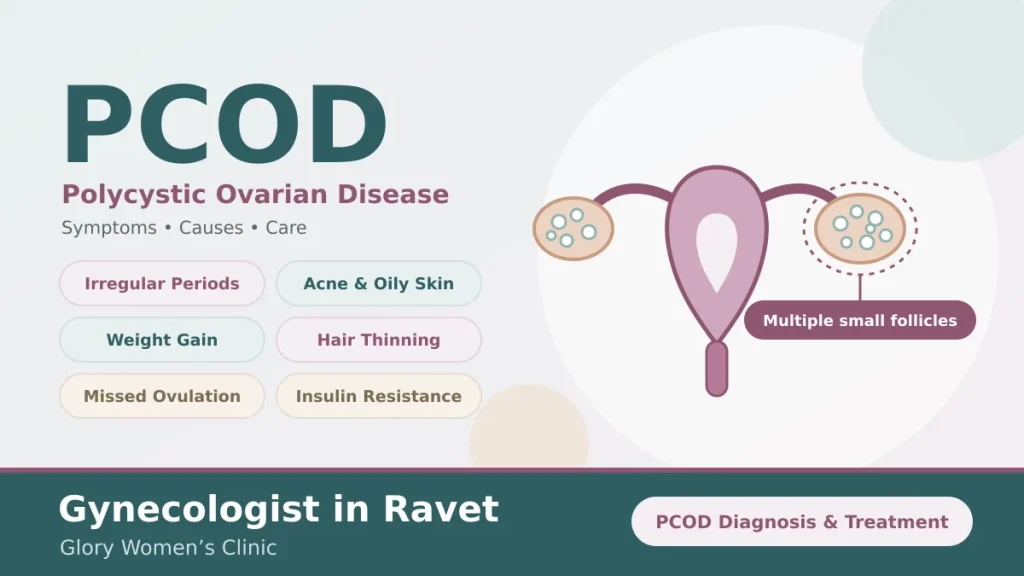
PCOS is a hormonal disorder in which the ovaries may produce higher-than-normal levels of androgens, often called male hormones. This hormonal imbalance can interfere with regular ovulation, leading to irregular periods and, in some women, small fluid-filled follicles visible on the ovaries during an ultrasound.
Despite the name, not every woman with PCOS has cysts, and having cysts alone does not mean you have PCOS. Insulin resistance plays a major role too. When the body does not respond properly to insulin, the pancreas releases more of it, which further pushes the ovaries to make androgens. This cycle explains why weight gain, acne and irregular cycles often appear together.
Common Symptoms of PCOS You Should Not Ignore
PCOS looks different in every woman. Some have only mild signs, while others experience several at once. Watch out for these common warning signals:
Cycles longer than 35 days, fewer than eight periods a year, or no periods at all.
Coarse hair on the face, chest, back or abdomen, known as hirsutism.
Persistent breakouts along the jawline, chin and back that resist usual treatments.
Gradual thinning or a widening parting on the scalp, similar to male-pattern hair loss.
Extra weight around the abdomen and difficulty losing it despite effort.
Velvety darkening on the neck, underarms or groin, a sign of insulin resistance.
Other symptoms include difficulty conceiving, fatigue, mood swings, poor sleep and low self-confidence. If you notice a combination of these signs, it is worth speaking to a doctor rather than waiting for them to settle on their own.
What Causes PCOS?
The exact cause is not fully understood, but several factors work together. Genetics matters, so women with a mother or sister who has PCOS are more likely to develop it. Insulin resistance, low-grade inflammation and higher androgen levels also contribute. Lifestyle factors such as inactivity, poor sleep, chronic stress and a diet high in refined carbohydrates can make symptoms worse, even though they do not cause the condition on their own.
How Is PCOS Diagnosed?
There is no single test for PCOS. Doctors usually diagnose it when at least two of the following three features are present, after other causes have been ruled out:
Infrequent, absent or unpredictable periods.
Visible signs such as acne and hair growth, or raised levels on blood tests.
Enlarged ovaries with many small follicles seen on ultrasound.
The evaluation usually begins with a detailed discussion of your menstrual history, family history and lifestyle, followed by a physical examination that checks blood pressure, weight, waist size and skin changes. Blood tests may include hormone levels, thyroid function, prolactin, fasting glucose or an oral glucose tolerance test, and a lipid profile. A pelvic or transvaginal ultrasound looks at the ovaries and the uterine lining. Because thyroid disorders and other hormonal conditions can mimic PCOS, a careful workup is essential for an accurate diagnosis.
Long-Term Health Risks Linked to PCOS
PCOS reaches well beyond the reproductive system. Without proper care, it can raise the risk of several lifelong health issues:
Insulin resistance can progress to prediabetes and diabetes over time.
Higher chances of high blood pressure and abnormal cholesterol.
Months without periods can thicken the endometrium and raise cancer risk.
Irregular ovulation can make conception slower without support.
Both are more common in women with PCOS, especially with weight gain.
Anxiety, low mood and body-image concerns need attention too.
Long-Term Management: Building a Healthier Future
The good news is that PCOS can be managed effectively. Treatment is personalised, depending on whether your priority is regular cycles, clearer skin, weight control or pregnancy.
Nutrition: Choose whole grains, vegetables, pulses, fruits, nuts and adequate protein. Limit sugary drinks, bakery items and fried snacks. Regular meal timings help keep insulin steady.
Exercise: Aim for at least 150 minutes of moderate activity every week, combining brisk walking, yoga, cycling and strength training. Even a modest weight loss of 5–10% can restore ovulation in many women.
Medical treatment: Depending on your needs, doctors may suggest hormonal pills to regulate periods, medicines to improve insulin sensitivity, anti-androgen therapy for hair and acne, or ovulation-inducing medicines when pregnancy is planned. These should always be taken under medical supervision.
Sleep and stress: Seven to eight hours of quality sleep, along with stress-relief habits such as meditation or hobbies, supports hormonal balance.
Regular screening: Annual checks of blood sugar, cholesterol and blood pressure help catch silent problems early.
✓ Swap refined flour and sugar for fibre-rich foods
✓ Track your periods in a diary or app
✓ Sleep 7–8 hours and manage stress
✓ Get your sugar and cholesterol checked every year
PCOS Care Services at Glory Women’s Clinic
Glory Women’s Clinic offers complete, women-centred care so that you do not have to visit multiple places for one condition. Here are the key services that support women dealing with PCOS and related concerns:
Diagnosis, personalised treatment plans and long-term follow-up.
Evaluation and treatment of irregular, heavy or painful periods.
Ovulation tracking, counselling and guidance for planning pregnancy.
Regular check-ups and monitoring for a safe pregnancy and delivery.
Pelvic scans and the required investigations for accurate answers.
Supportive guidance for teenagers and for women in midlife.
How to Choose the Right Gynecologist in Ravet
Choosing the right doctor makes your PCOS journey smoother. Look for a specialist who listens patiently, explains your reports in simple language, and offers a long-term plan rather than a quick fix. Check qualifications and experience in hormonal and fertility concerns, and make sure the clinic provides ultrasound and basic diagnostics under one roof. Easy access, convenient timings, a clean and comfortable environment and respect for your privacy are equally important. Patient reviews can also give you a real picture of the doctor’s approach.
Looking for expert PCOS care nearby? Find the Best Gynecologist in Ravet on the map below:
Frequently Asked Questions About PCOS
Final Takeaway
PCOS is common, manageable and nothing to be embarrassed about. Recognising the symptoms early, getting a proper diagnosis and following a steady plan of nutrition, movement, sleep and medical care can protect your fertility, your skin, your mood and your long-term health. Do not self-medicate or rely on quick fixes; PCOS responds best to consistent, personalised guidance.
If you are searching for the Best Gynecologist in Ravet, choose a doctor who listens, explains and supports you at every stage. You can also visit a trusted Gynecologist in Ravet today and take the first step towards balanced hormones and a healthier tomorrow.
Book an appointment at Glory Women’s Clinic today and start your PCOS care journey with confidence.
Disclaimer: This article is for general awareness and does not replace personalised medical advice. Please consult a qualified doctor for diagnosis and treatment.