
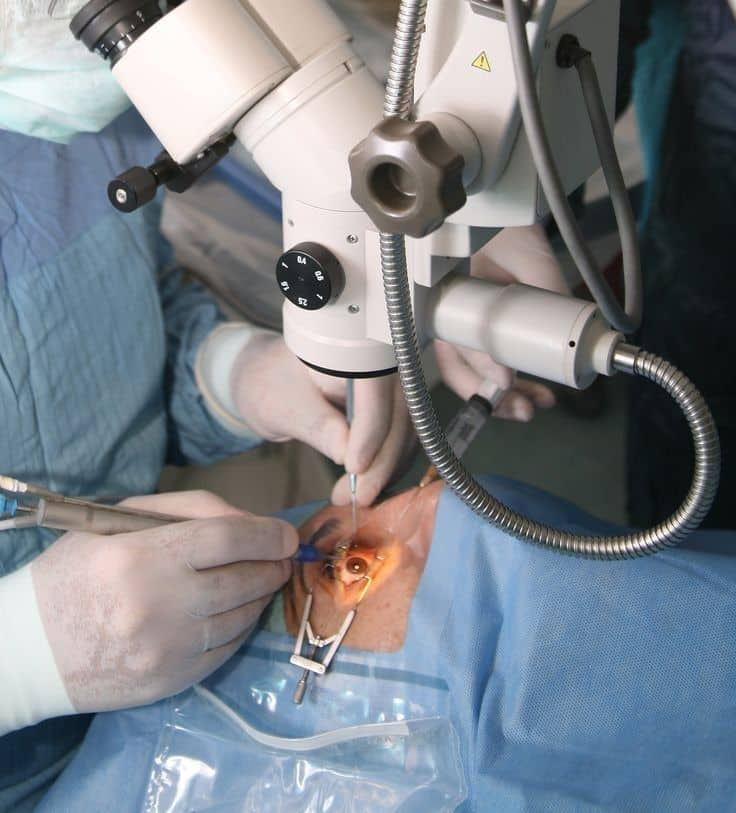
Imagine trying to take a photograph without film or a sensor. That is roughly what your eye would be without its retina. This thin, light-sensitive layer at the back of the eye turns what you see into signals that travel to the brain. When it is healthy, you hardly notice it. When it is damaged, the effects on sight can be sudden, and sometimes permanent.
Many retinal diseases begin quietly, with no pain and only subtle changes in vision, which is why knowing the warning signs and who to see makes such a difference. If you are searching for a Retina Specialist In Shivaji Nagar, this guide explains the symptoms, risk factors, tests and treatment options, along with the services at Raghav Eye Hospital and what to look for when you choose a doctor.
What Does the Retina Do?
The retina lines the inside back wall of the eye. It contains millions of cells that capture light and colour. The centre of the retina, called the macula, gives you sharp detail for reading, recognising faces and driving, while the surrounding retina handles side vision and movement.
Because the retina is delicate and depends on a steady blood supply, it is affected by problems elsewhere in the body, especially diabetes and high blood pressure. It can also be harmed by ageing, injury, inherited conditions and the shape of the eye itself.
Warning Signs You Should Never Ignore
Some retinal problems give clear warnings. If you notice any of these, get your eyes examined promptly, and treat sudden changes as an emergency.
Flashes of light
Brief sparks or lightning-like streaks, often at the edge of vision.
New floaters
A sudden shower of dots, cobwebs or threads drifting across your sight.
A curtain or shadow
A dark veil moving across part of your vision can signal a detachment.
Wavy straight lines
Door frames or text that look bent can point to a macular problem.
Blurred central vision
Difficulty reading or recognising faces that glasses do not fix.
Sudden vision loss
Any rapid drop in sight in one or both eyes needs urgent care.
Common Retinal Conditions, Explained
Diabetic retinopathy
High blood sugar over time damages the tiny blood vessels in the retina. They may leak fluid or grow fragile new vessels. The early stages cause no symptoms, so regular screening is the only reliable way to catch it before vision is affected.
Retinal tear and detachment
A tear lets fluid pass beneath the retina and lift it away from the wall of the eye. People often notice flashes, floaters and a spreading shadow. Detachment is an emergency, because the longer the retina stays detached, the lower the chance of recovering good vision.
Age-related macular degeneration
This condition affects the macula, causing blurred or distorted central vision, usually in people over 50. It comes in a slow dry form and a faster wet form, where abnormal vessels leak. Early detection allows treatment that can slow the damage.
Retinal vein occlusion
A blocked vein in the retina can cause sudden blurred vision from swelling or bleeding. It is linked to high blood pressure, diabetes and raised cholesterol, which is why managing those conditions matters.
Macular hole and epiretinal membrane
These are changes at the centre of the retina that distort reading and fine detail. Some are watched over time, while others benefit from surgery after assessment.
Inherited retinal diseases
Conditions such as retinitis pigmentosa run in families and affect night vision and side vision first. A specialist can confirm the diagnosis and advise on monitoring and support.
Who Is at Higher Risk?
Anyone can develop a retinal problem, but some people have a greater chance and should have regular dilated eye exams, even without symptoms.
Other risk factors include a family history of retinal disease, previous eye surgery or injury, and premature birth in infants. If any of these apply to you, ask your eye doctor how often your retina should be checked.
How Retinal Problems Are Diagnosed
A retinal assessment is usually quick and comfortable. The tests help the doctor see the layers of your retina in detail and decide whether treatment is needed.
Dilated eye exam
Drops widen your pupils so the doctor can examine the retina directly.
OCT scan
A painless, non-contact scan that shows the retinal layers in cross-section.
Retinal photography
Detailed images that help track changes between visits.
Angiography
A dye test, used in selected cases, to show leaking or blocked vessels.
Treatment Options at a Glance
There is no single treatment for every retinal problem. Your doctor will choose based on the diagnosis, how advanced it is and your overall health.
Monitoring
Mild or early changes are often watched with regular scans.
Laser therapy
Used to seal tears or treat leaking and abnormal vessels.
Eye injections
Medicines placed in the eye to reduce swelling and abnormal vessel growth.
Retinal surgery
Needed for detachment, certain bleeds and macular conditions.
Alongside eye treatment, controlling blood sugar, blood pressure and cholesterol is often just as important, because it protects the retina from further damage.
Services Offered by Raghav Eye Hospital
Raghav Eye Hospital, led by Dr. Sarika Sethia, listed as a cataract and LASIK specialist, is located in Shivaji Nagar, Pune. The services below show the kind of eye care patients commonly need, from first consultation to follow-up. Please call ahead to confirm the availability of any specific test or treatment.
Dilated retina examination
A thorough look at the back of the eye for early signs of disease.
Diabetic eye screening
Regular checks to catch diabetic retinopathy before symptoms appear.
Retinal imaging
Scans and photographs that help diagnose and track retinal changes.
Cataract evaluation and surgery
Assessment and surgical planning for clouded lenses.
LASIK consultation
Eligibility screening for laser vision correction.
Follow-up care
Scheduled review visits to monitor healing and adjust treatment.
How to Choose the Best Retina Specialist in Shivaji Nagar
Retinal care depends on accurate diagnosis and timely action. Use this checklist when comparing doctors.
- Experience with retinal disease. Ask how often the doctor treats conditions like yours.
- Proper diagnostic equipment. Retinal imaging such as OCT helps the doctor decide treatment accurately.
- Clear explanations. You should understand your diagnosis, options, risks and expected recovery.
- Coordinated care. Good retinal care often involves your physician or diabetologist too.
- Follow-up planning. Retinal conditions usually need ongoing monitoring, so check how reviews are scheduled.
- Convenient access. Regular visits are easier when the hospital is close and easy to reach.
Save the location to your phone, or open Best Retina Specialist in Shivaji Nagar in Google Maps for directions.
Everyday Habits That Protect Your Retina
- Keep blood sugar, blood pressure and cholesterol well controlled, and take medicines as prescribed.
- Have a dilated eye exam every year if you have diabetes, and as often as your doctor advises if you are at other risk.
- Eat a balanced diet rich in leafy greens, colourful vegetables and fish, and avoid smoking.
- Wear UV-protective sunglasses outdoors.
- Use protective eyewear for sports, DIY work and festive fireworks.
- Do not ignore changes in vision, even if they seem to settle.
Quick Points Worth Remembering
Retina Myths vs Facts
Fact: Early retinal disease often causes no symptoms, so screening matters.
Fact: Most are harmless, but a sudden increase or flashes can signal a tear.
Fact: Glasses correct focus, not damage inside the retina.
Fact: Many conditions are managed with monitoring, laser or injections.
Frequently Asked Questions
What does a retina specialist do?
A retina specialist is an ophthalmologist who focuses on diseases of the retina and the jelly-like vitreous inside the eye. They diagnose conditions such as diabetic retinopathy, retinal tears, detachments and macular problems. They also guide treatment, which may include medicines, laser or surgery, and coordinate with your physician for conditions like diabetes. The team at Raghav Eye Hospital can assess your symptoms and explain whether a retinal problem is likely and what the next step should be. Early assessment protects the vision you still have.
Which symptoms mean I should get my retina checked urgently?
Sudden flashes of light, a shower of new floaters, a dark curtain or shadow across your vision, and sudden loss of sight all need same-day attention. Straight lines that suddenly look wavy or bent can point to a problem at the centre of the retina. These signs can mean a tear or detachment, where hours and days matter. Raghav Eye Hospital advises not to wait and see if the symptoms settle. If you notice any of them, call ahead and get examined as soon as possible.
How often should people with diabetes have their retina examined?
Doctors generally advise a dilated eye examination at least once a year for people with diabetes, and more often if retinopathy is found. Pregnant women with diabetes may need extra checks. Diabetic retinopathy can progress without symptoms, so waiting for blurred vision means waiting too long. Raghav Eye Hospital can examine the retina and advise a follow-up schedule suited to your results. Good control of blood sugar, blood pressure and cholesterol further protects your eyes.
Is a retina examination painful?
A retina examination is not painful. Drops are used to widen your pupils, which may sting briefly and then leave your near vision blurred and your eyes light-sensitive for a few hours. Imaging tests such as OCT are non-contact and take only a few minutes. Raghav Eye Hospital suggests bringing sunglasses and, if possible, someone to accompany you home. Do not drive until the blurring from the drops has worn off.
Can retinal damage be reversed?
Treatment can often stop or slow many retinal diseases, and some conditions can be repaired if caught early. However, vision that has already been lost may not fully return, which is why early detection matters so much. The goal of treatment is usually to protect the sight you have and prevent further damage. Raghav Eye Hospital encourages regular check-ups for anyone at risk so that problems are found before symptoms become severe. Your doctor can explain what outcome to expect in your own case.
What treatment options exist for retinal problems?
The right treatment depends on the condition and how advanced it is. Options can include laser therapy, medicines injected into the eye, and surgery for problems such as detachment, along with careful control of conditions like diabetes and high blood pressure. Some mild problems only need regular monitoring. Raghav Eye Hospital explains the options relevant to your case after a full retinal examination. Always ask about the benefits, risks and expected recovery before you decide.
Final Takeaway
Your retina cannot be replaced, and many retinal diseases give little warning before they cause damage. Regular check-ups, quick action on flashes, floaters or shadows, and good control of diabetes and blood pressure give your eyes the best protection. When you are ready to act, look for dependable Retina Treatment In Shivaji Nagar that begins with a thorough examination and clear explanations. Many patients also search for a trusted Retina Eye Hospital In Shivaji Nagar so they can get diagnosis, treatment and follow-up in one place. Raghav Eye Hospital invites you to book a consultation, bring your previous reports and get your questions answered without delay.