
Use this revised introduction with more distance between the two keywords while keeping both in the introduction naturally.
Pap Smear and Cervical Cancer Screening: When Should Women Get Tested?
Cervical cancer is an important women’s health concern, but regular screening can help identify abnormal cervical cell changes before they develop into cancer. Many women may not experience noticeable symptoms in the early stages, making preventive screening and timely medical consultation important for long-term health.
A Pap smear, also called a Pap test, examines cells collected from the cervix to identify abnormalities that may require further evaluation. Women searching for a Gynecologist In Walhekarwadi can discuss whether a Pap smear, HPV test, or another screening method is suitable based on their age, medical history, and individual healthcare needs.
Understanding cervical cancer screening can help women take a proactive approach to reproductive health. Learning about the screening process, recommended intervals, and follow-up procedures can make medical consultations more informative and less stressful. Women should discuss their personal screening requirements with a qualified healthcare professional.
Preventive gynecological care is also relevant for women planning a family or receiving pregnancy-related care. Those searching for the Best Gynecologist In Walhekarwadi For Pregnancy should consider qualifications, communication, antenatal care experience, and access to appropriate women’s health services when choosing a healthcare professional.
What Is a Pap Smear Test?
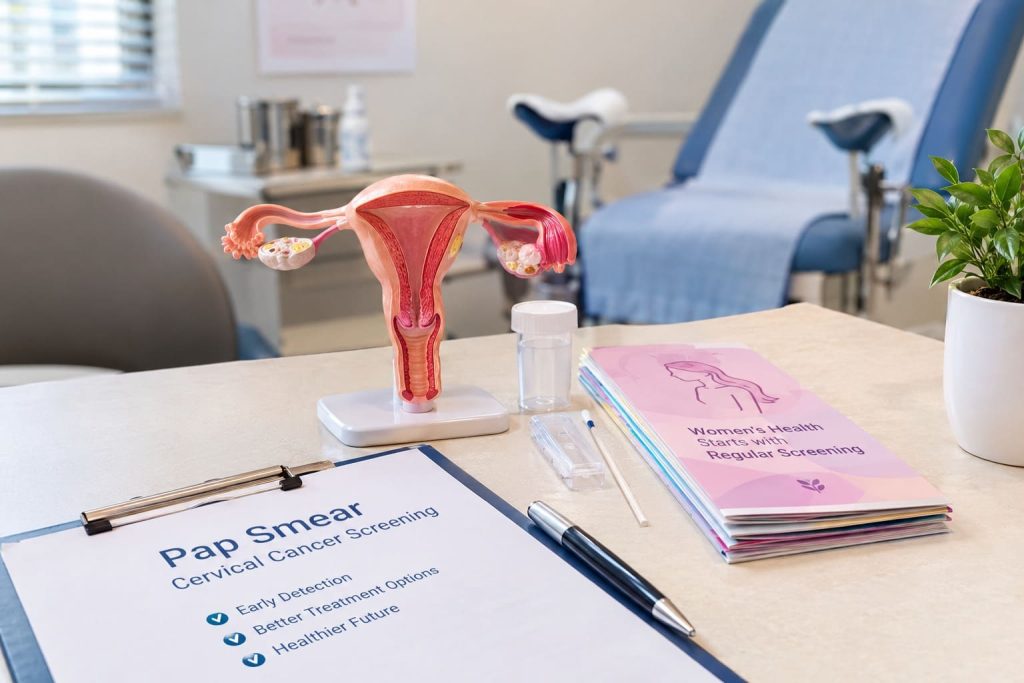
A Pap smear is a screening test used to identify abnormal cells in the cervix. Some of these changes may be associated with persistent infection from high-risk types of human papillomavirus (HPV), which is responsible for most cervical cancer cases.
During the test, a trained healthcare professional gently inserts a speculum into the vagina to view the cervix. A small brush or sampling instrument is used to collect cervical cells, which are then sent to a laboratory for examination.
The procedure usually takes only a few minutes. Some women experience mild pressure or brief discomfort, but severe pain is not expected. Women who feel anxious or have experienced discomfort during previous examinations should discuss their concerns with the healthcare professional beforehand.
A Pap smear is different from a general pelvic examination. A routine examination alone does not necessarily screen for cervical cancer unless an appropriate screening test is performed.
Why Is Cervical Cancer Screening Important?
Cervical cancer may develop gradually, and precancerous cell changes can often be detected before they become more serious. Screening gives healthcare professionals an opportunity to identify women who may need additional evaluation or treatment.
Important benefits of appropriate cervical screening include:
- Identifying potentially precancerous cervical cell changes.
- Detecting abnormalities before symptoms appear.
- Helping determine whether further testing, such as an HPV test or colposcopy, is needed.
- Supporting early medical evaluation when screening results are abnormal.
- Providing an opportunity to discuss HPV vaccination and other preventive measures.
Screening does not prevent every case of cervical cancer, and no test is perfect. However, following an appropriate screening plan can reduce the risk of cervical cancer developing or being detected at an advanced stage.
When Should Women Get a Pap Smear?
The right age to begin cervical cancer screening depends on the screening method, applicable guidelines, previous test results and individual risk factors.
The World Health Organization recommends HPV DNA testing as the preferred primary screening method where available, with regular screening for the general population beginning at age 30. Indian clinical recommendations and screening programmes may
Women should discuss the appropriate starting age and screening interval with their healthcare professional rather than assuming that every woman needs the same test at the same age.
Women in Their Twenties
Routine screening is not generally recommended for every woman in this age group under Indian clinical recommendations. However, individual circumstances may require a different approach.
Women with previous abnormal results, significant immune-system concerns or other relevant medical history should seek individualised advice.
Women Aged 30–49 Years
This age group is a priority for cervical cancer prevention. Depending on local protocols and availability, a healthcare professional may recommend HPV testing, Pap smear cytology or another approved screening method.
Women who have never been screened should discuss their options rather than postponing preventive care because they feel healthy.
Women Aged 50–65 Years
Screening may remain important during these years, especially for women who have not been screened regularly. Menopause does not automatically mean that cervical cancer screening is no longer needed.
The decision to continue or stop screening should take account of previous results, screening history, risk factors and applicable clinical guidelines.
Women With Previous Abnormal Results
Women who have previously received an abnormal Pap smear or positive high-risk HPV result may require closer follow-up than women with consistently normal results.
The recommended next step may include repeat testing, colposcopy or a biopsy, depending on the result and clinical assessment. Follow-up should not be skipped simply because there are no symptoms.
How Often Should a Pap Smear Be Repeated?
There is no single interval suitable for every woman. The interval depends on the screening method, age, previous findings and individual risk.
For example, Indian clinical recommendations describe cervical cytology at three-year intervals in appropriate circumstances, while HPV-based screening or combined testing may allow longer intervals when clinically indicated. WHO guidance recommends HPV DNA screening at intervals of five to ten years for the general population where that method is used.
These recommendations are not interchangeable in every clinical situation. A healthcare professional should determine the appropriate schedule based on the test available and the woman’s medical history.
Women who have been treated for significant cervical abnormalities, have an immune-system condition or have other high-risk circumstances may need a different follow-up plan.
Pap Smear vs HPV Test: What Is the Difference?
Both tests contribute to cervical cancer prevention, but they look for different things.
Pap smear: Examines cervical cells to identify abnormal changes that may require further evaluation.
HPV test: Checks for high-risk types of human papillomavirus associated with cervical cancer.
Combined testing: In some settings, both tests may be used together to provide additional information.
The preferred method depends on clinical guidelines, the woman’s age, availability and previous screening history. An HPV-positive result does not automatically mean that a woman has cervical cancer. It indicates that appropriate interpretation and follow-up may be necessary.
Women should discuss the benefits and limitations of each method before deciding which screening approach is appropriate for them.
Is a Pap Smear Painful?
Many women worry about discomfort, embarrassment or pain during a Pap smear. The procedure is generally brief, and most women describe the sensation as mild pressure or temporary discomfort.
To make the experience more comfortable, women can:
- Tell the healthcare professional if they feel nervous.
- Ask for the procedure to be explained before it begins.
- Inform the clinician about previous painful examinations.
- Ask questions about privacy, consent and the collection process.
- Discuss any concerns about vaginal dryness or pelvic discomfort.
The procedure can often be adjusted to accommodate a woman’s comfort needs. Patients should feel able to communicate throughout the examination.
How Should You Prepare for a Pap Smear?
Follow the specific preparation instructions provided by your healthcare professional or laboratory.
Where possible, schedule the test for a time when you are not menstruating, as menstrual blood may affect sample interpretation. Many clinical resources also advise avoiding vaginal intercourse, douching and vaginal medicines for approximately 48 hours before collection, unless your clinician gives different instructions.
Inform the healthcare professional if you are pregnant, have unusual bleeding, have a vaginal infection or are using prescribed vaginal medication.
If you have symptoms such as bleeding after intercourse, bleeding after menopause or persistent unusual vaginal discharge, do not delay medical evaluation simply to wait for a routine screening appointment. These symptoms can have several causes and need appropriate assessment.
What Does an Abnormal Pap Smear Result Mean?
An abnormal Pap smear does not automatically mean cervical cancer is present. Results can indicate different degrees of cellular change, and some abnormalities resolve without treatment.
Depending on the findings, the next step may include:
- Repeat Pap smear or HPV testing.
- Colposcopy, which allows closer examination of the cervix.
- Cervical biopsy, if further investigation is required.
- Treatment for confirmed precancerous changes when indicated.
The appropriate next step depends on the exact laboratory report, previous screening results and clinical risk assessment. Follow-up is important even when the woman feels completely well.
Women should request an explanation of their reports and understand when they need to return for further testing.
Can Cervical Cancer Be Prevented?
Although no preventive measure eliminates all risk, several steps can help reduce the risk of cervical cancer.
HPV vaccination: Vaccination can protect against important HPV types associated with cervical cancer. Eligibility, timing and suitability should be discussed with a qualified healthcare professional.
Regular screening: Appropriate Pap smear or HPV testing can help identify concerning changes before cancer develops.
Timely follow-up: Abnormal screening results need the recommended evaluation rather than being ignored.
Medical consultation: Persistent or unusual symptoms should be assessed, even if a previous screening test was normal.
Vaccination does not replace cervical screening. Women should follow the recommended preventive care plan even if they have received an HPV vaccine.
Choosing a Gynecologist In Walhekarwadi for Preventive Care
Choosing a gynecologist involves more than finding a nearby clinic. Women may need support with preventive screening, menstrual concerns, fertility planning, pregnancy, postpartum recovery or menopause.
When evaluating a Gynecologist In Walhekarwadi, consider the clinician’s qualifications, experience, communication style, available screening services and approach to explaining test results. It is also helpful to ask how abnormal results are followed up and whether additional investigations can be coordinated when necessary.
A consultation should provide an opportunity to discuss personal concerns, understand the purpose of recommended tests and make informed decisions about treatment or further evaluation.
Women searching for the Best Gynecologist In Walhekarwadi For Pregnancy may also benefit from discussing cervical screening as part of broader reproductive healthcare. Pregnancy planning, antenatal care and preventive gynecology are related aspects of women’s health, but the timing of cervical screening during pregnancy should be decided individually with the treating clinician.
For women in Walhekarwadi, Nigdi and nearby Pimpri-Chinchwad localities, choosing a qualified professional who provides clear guidance can make preventive healthcare easier to understand and manage.
Cervical Screening and Women’s Health at Dr. Darshana’s Women’s Clinic
Dr. Darshana Sonwane is a consultant gynecologist and infertility specialist. Women seeking guidance about cervical screening, reproductive health or pregnancy-related concerns can contact the clinic to enquire about consultation and available services.
During a consultation, women can discuss their screening history, symptoms, family and medical history, and any concerns about a previous test result. The healthcare professional can then advise whether screening or additional evaluation is appropriate.
Clinic: Glory Women’s Clinic
Location: Ravet, Pune
Phone: 8983341931
Google Business Profile: https://g.page/r/CYR0x16R5-tFEBM/
Women from Walhekarwadi and nearby areas can contact the clinic to confirm appointment availability, location and whether the required screening service is offered.
Frequently Asked Questions
1. At what age should women start cervical cancer screening?
The recommended starting age depends on the test used and applicable clinical guidelines. WHO recommends starting regular HPV DNA screening at age 30 for the general population. Women should consult a healthcare professional about the appropriate screening plan in India.
2. Is a Pap smear necessary if I have no symptoms?
Screening is intended to identify cervical changes that may be present before symptoms develop. Eligible women should discuss routine screening even when they feel healthy.
3. Can a Pap smear detect every case of cervical cancer?
No. A Pap smear is a screening test, not a perfect diagnostic test. New or persistent symptoms require medical evaluation even if a previous result was normal.
4. Does an abnormal Pap smear mean I have cancer?
No. An abnormal result may reflect minor or more significant cell changes. Further testing may be recommended to determine the cause and appropriate follow-up.
5. Should women get a Pap smear during pregnancy?
The need and timing of cervical screening during pregnancy depend on screening history, symptoms and clinical circumstances. Discuss this with your obstetrician or gynecologist before scheduling the test.
6. How can I find a Gynecologist In Walhekarwadi?
Look for a qualified obstetrician-gynecologist with relevant experience, clear communication and access to appropriate screening and follow-up services. Confirm the clinic’s location and available services before booking.
7. How do I choose the Best Gynecologist In Walhekarwadi For Pregnancy?
Consider qualifications, pregnancy-care experience, communication, access to appropriate investigations and continuity of care. Your choice should be based on your medical needs and a suitable consultation rather than search rankings alone.
8. Does HPV vaccination mean cervical screening is unnecessary?
No. HPV vaccination reduces the risk associated with important HPV types, but it does not eliminate every cause of cervical cancer. Follow the screening recommendations applicable to your age and medical history.
9. What should I do if I experience bleeding after menopause?
Arrange a prompt medical assessment. Bleeding after menopause can have several causes, and it should not be ignored or managed solely by booking a routine Pap smear.
10. Where can women enquire about gynecology consultations near Walhekarwadi?
Women can contact Dr. Darshana’s Women’s Clinic in Ravet, Pune, at 8983341931 to confirm appointment availability, the clinic location and whether the required screening service is available.
Conclusion
Pap smear and HPV-based screening play important roles in cervical cancer prevention. Knowing when to begin screening, how frequently to repeat testing and what abnormal results mean can help women make informed decisions about their health.
Women searching for a Gynecologist In Walhekarwadi or the Best Gynecologist In Walhekarwadi For Pregnancy should prioritise qualified medical guidance, appropriate preventive care and timely follow-up. The right screening plan depends on age, medical history, previous results and the screening methods available.
Contact Glory Women’s Clinic in Ravet, Pune, to enquire about a gynecology consultation and discuss your individual women’s health needs.
Book a consultation: 8983341931
Website: https://www.drdarshanasonwane.com/best-gynecologist-walhekarwadi/
Medical disclaimer: This article is for general educational purposes and does not replace an individual medical consultation. Screening recommendations may vary by guideline and clinical circumstances.