
Many people recovered from COVID-19 only to notice a new problem later: a deep, nagging ache in the groin or thigh that does not go away with rest. In some cases this is simple muscle strain, but in others it signals a real hip joint problem that needs proper evaluation. If the damage is advanced, modern surgical techniques can restore pain-free movement with a faster, gentler recovery. This guide explains the warning signs, how doctors diagnose the cause, and when surgery is the right step.
Why Can COVID-19 Affect the Hip Joint?
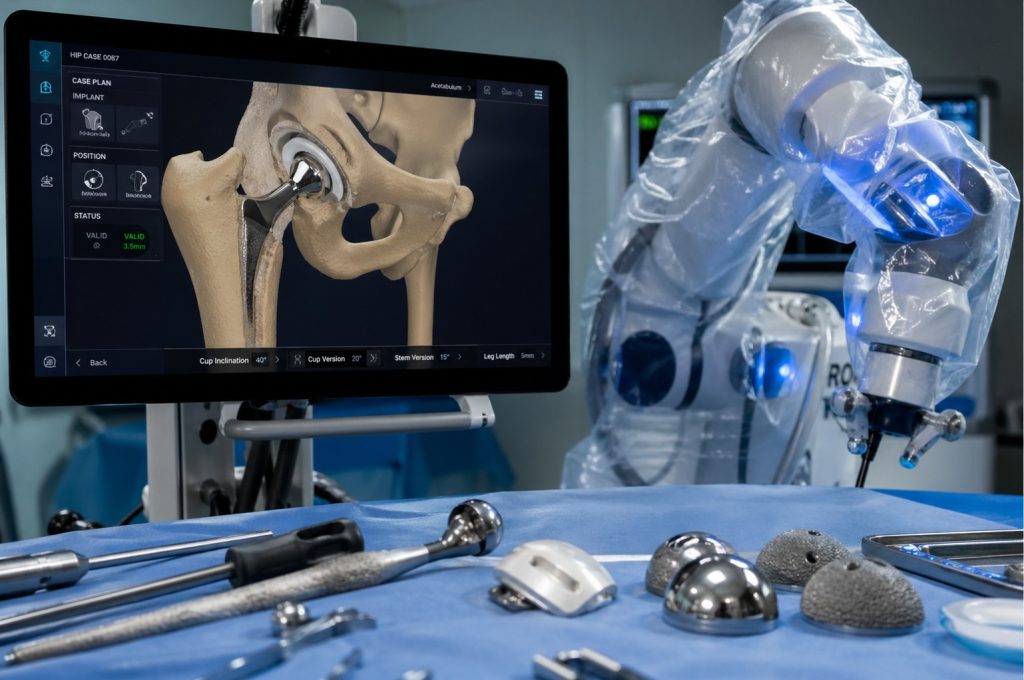
COVID-19 is mainly a respiratory illness, but its treatment and its effect on blood vessels can influence bone health. During severe infection, many patients received corticosteroids to control dangerous inflammation. Steroids save lives, yet high doses or prolonged courses are a recognised risk factor for avascular necrosis (AVN), also called osteonecrosis. In AVN, the blood supply to the ball of the hip joint (the femoral head) is reduced, the bone slowly weakens, and the surface can eventually collapse. When the damage is advanced, Minimally Invasive Hip Replacement Pune Maharashtra India offers a gentler way to restore movement.
Infection-related inflammation and clotting changes may also play a role. Importantly, AVN does not appear overnight. Symptoms can begin weeks or even many months after recovery, which is why people often fail to connect the pain with their earlier illness. Not everyone who took steroids develops AVN, but anyone with persistent hip pain after a severe COVID-19 course deserves a check-up.
Warning Signs You Should Not Ignore
Early AVN can be silent. As the condition progresses, you may notice:
- Pain in the groin, outer hip, buttock or thigh, sometimes spreading to the knee
- Pain that worsens when you walk, climb stairs or bear weight
- Night pain or discomfort even while resting
- Stiffness and difficulty putting on socks or shoes
- A limp or a feeling that the hip is catching or giving way
Tip: Hip pain that lasts more than two to three weeks, especially after a history of steroid use, should be examined by an orthopaedic specialist rather than treated with painkillers alone.
How Is the Problem Diagnosed?
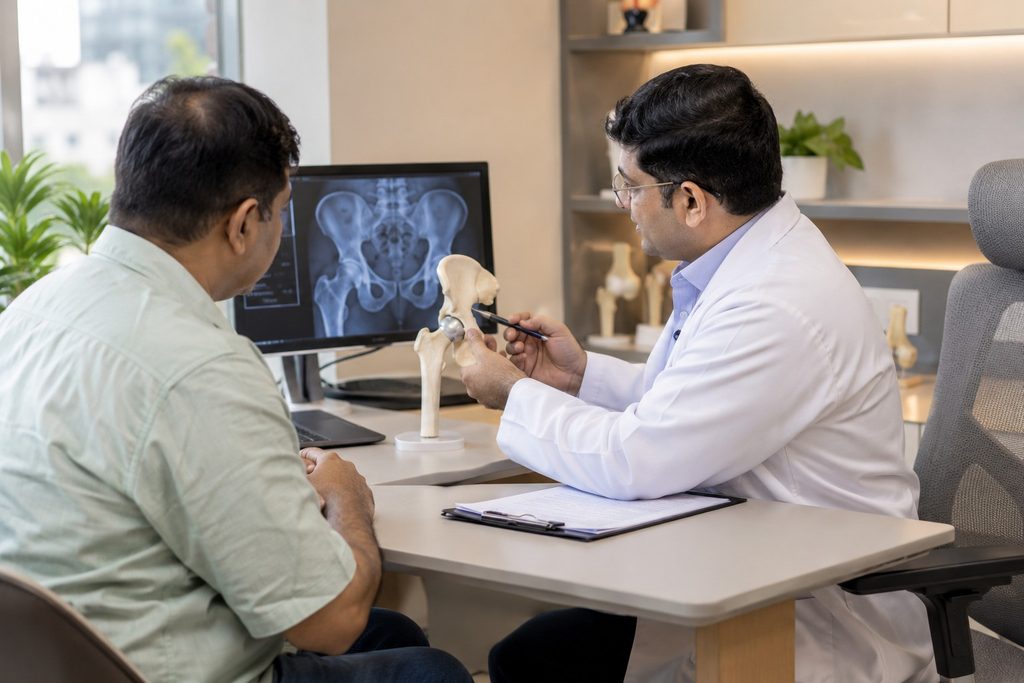
Diagnosis starts with a detailed history and a physical examination of hip movement, strength and gait. An X-ray is the first imaging test, but it can look normal in the earliest stage of AVN. An MRI is far more sensitive and can detect changes in the bone long before the joint surface collapses. Based on these findings, the condition is staged, and the stage largely decides the treatment: early disease may be managed by protecting the joint, while advanced disease usually needs surgery.
Treatment Options Before Surgery
When the joint surface is still intact, the goal is to slow progression and relieve pain. Options may include:
- Activity modification and protected weight-bearing using a walking aid
- Medication for pain and inflammation, as advised by your doctor
- Physiotherapy to maintain range of motion and muscle strength
- Core decompression in selected early-stage cases to reduce pressure inside the bone
These measures work best when started early. Delay allows the femoral head to collapse, after which the cartilage wears out and arthritis develops, and joint preservation is no longer realistic.
When Does Hip Replacement Become the Right Choice?
Surgery is usually recommended when:
- The femoral head has collapsed or the joint has developed arthritis
- Pain persists despite medication, rest and physiotherapy
- Walking, sleeping or daily work is significantly affected
- Imaging shows advanced damage that cannot be repaired
In a hip replacement, the damaged ball and socket are replaced with smooth, durable implants. The operation is among the most successful procedures in orthopaedics, and most patients report dramatic pain relief and a return to normal activities.
Visit Dr. Aashish Arbat’s Clinic in Pune
If you are struggling with hip pain, you can meet the doctor for a thorough assessment. Use the map below to find the clinic easily.
Benefits of the Minimally Invasive Approach
Minimally invasive techniques use a smaller incision and aim to protect the surrounding muscles and soft tissues. For suitable patients, this can mean:
- Less blood loss and reduced post-operative pain
- A shorter hospital stay
- Earlier walking, often within hours of surgery
- Quicker return to daily routines and a smaller scar
Not every patient is a candidate for every technique, so the approach should be chosen after examining your anatomy, age, activity level and the stage of the disease.
Choosing the Right Surgeon
The surgeon’s training, experience and communication matter as much as the implant itself. Look for a specialist who explains every option honestly, including non-surgical ones, uses modern techniques and follows a structured rehabilitation plan. If you are searching for the Best Hip Replacement Surgeon in Pune Maharashtra India, book a consultation, review the surgeon’s experience, and ask about expected outcomes and recovery before deciding.
What Does Recovery Look Like?
Recovery is a partnership between surgery and rehabilitation. A typical pattern looks like this:
- First day: guided standing and walking with support
- First two weeks: wound care, pain control and basic exercises at home
- Six weeks: most patients walk comfortably with little or no support
- Three months: strength and endurance improve, and many return to routine activities
Timelines vary with age, general health and the type of surgery, so always follow your surgeon’s and physiotherapist’s instructions.
Simple Ways to Protect Your Hip Health After COVID-19
- Never stop or change steroid doses on your own; discuss concerns with your doctor
- Stay active with gentle exercise such as walking and swimming
- Maintain a healthy weight to reduce stress on the joints
- Avoid smoking and limit alcohol, both of which affect bone blood supply
- Eat a balanced diet with enough calcium and vitamin D
- Get persistent hip or groin pain checked early
Final Takeaway
Hip pain after COVID-19 is not something to wait out. Early evaluation can catch avascular necrosis before the joint collapses, giving you more treatment choices and better long-term results. When the damage is advanced, a well-planned hip replacement can end years of pain and give you back your mobility and independence.
To understand your options and plan the right treatment, learn more about Hip Replacement Surgery in Pune Maharashtra India and schedule a consultation today.
Frequently Asked Questions
Can COVID-19 really cause hip problems?
How long after COVID can hip pain start?
Which test detects early hip damage?
Is hip replacement always necessary for avascular necrosis?
How soon can I walk after hip replacement?
How long does a hip implant last?
Struggling With Hip Pain? Get Expert Advice Today
Book a consultation with Dr. Aashish Arbat to find the cause of your pain and plan the right treatment for your hip.
Book an Appointment Visit Website