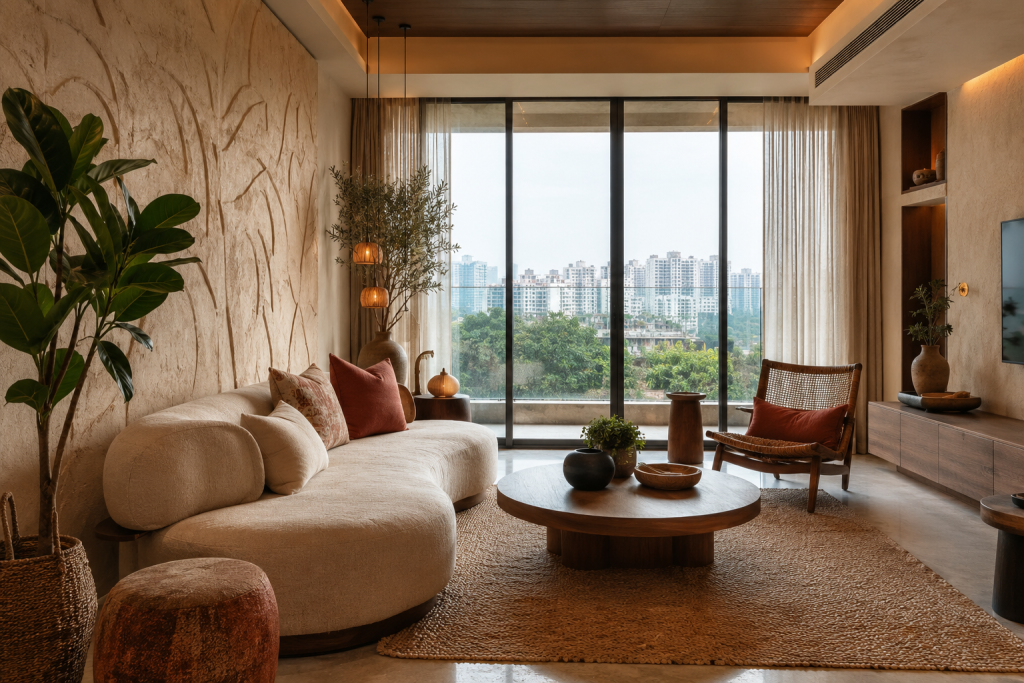
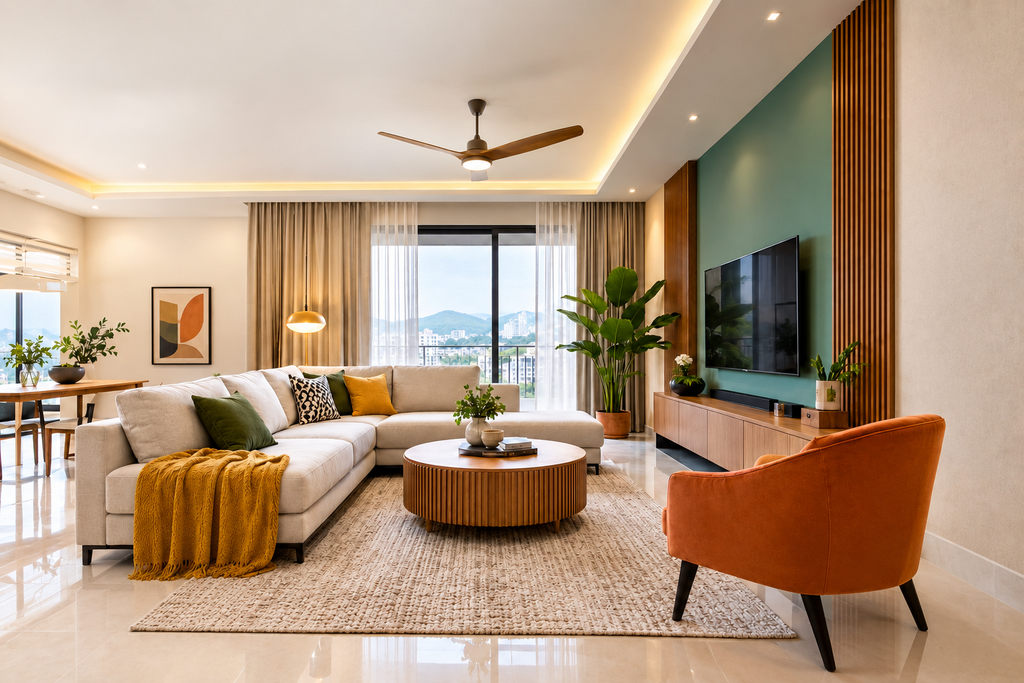
Smart interiors are changing the way Pune homeowners think about comfort, technology, storage, lighting and everyday living. The latest approach is not about filling a home with gadgets. It is about using technology thoughtfully so that the space feels natural, elegant and easy to live in.
What are smart home interiors in 2026?
Smart home interiors combine practical space planning with connected lighting, automated controls, efficient storage, flexible furniture, energy-conscious systems and technology that supports the daily routines of the people using the home.
Homeowners today want interiors that look beautiful but also make everyday life easier. For people exploring Best Interior Designers in Balewadi , the conversation increasingly includes smart lighting, connected appliances, organized storage, work-from-home areas and flexible spaces. In 2026, interior design is moving toward a more balanced combination of aesthetics, technology and usability.
A smart interior does not need to look futuristic. The most successful designs often hide technology within carefully planned furniture, lighting and architectural details. This creates a home that feels comfortable first, while technology quietly works in the background.
Why Smart Home Design Matters in Pune in 2026
Pune has a wide mix of apartments, premium residences, villas and modern workspaces. Each property has different dimensions, layouts, natural light conditions and lifestyle requirements. Smart design can help make these differences easier to manage.
Instead of adding technology after the interior is complete, homeowners can consider electrical planning, lighting controls, charging points, entertainment systems, storage and work zones during the design stage. This approach can reduce visual clutter and create a more coordinated result.
10 Smart Home Interior Trends Shaping 2026
Layered Smart Lighting
Ambient, task and accent lighting can be planned together with smart controls. This allows different lighting moods for work, relaxation, entertainment and evening routines.
Hidden Technology
Modern interiors are increasingly keeping wires, devices and controls visually discreet. Integrated solutions help technology blend with cabinetry and architectural elements.
Flexible Work Zones
Work-from-home spaces can be designed to serve multiple purposes. Foldable desks, built-in storage and adaptable furniture help rooms change throughout the day.
Connected Kitchens
Kitchen planning can include convenient appliance locations, charging points, task lighting and organized storage while maintaining a clean visual appearance.
Smart Storage
Full-height cabinetry, pull-out systems, concealed compartments and purpose-built storage can help reduce clutter in compact apartments and larger homes.
Comfort-Focused Bedrooms
Bedrooms are moving toward calmer palettes, soft lighting, practical bedside charging and storage that keeps frequently used items within easy reach.
Integrated Entertainment
Television units and entertainment systems can be incorporated into the overall wall design so screens and cables do not dominate the room.
Natural Materials
Wood textures, stone-inspired finishes, muted colours and tactile surfaces help balance technology with a warmer residential atmosphere.
Multi-Functional Rooms
A single room can support study, work, hobbies and occasional guest use when furniture and storage are planned with flexibility in mind.
Technology With Purpose
The most useful technology is the technology that solves a real problem. Convenience, accessibility, comfort and easy operation should remain more important than simply adding devices.
Smart Lighting Can Transform Everyday Spaces
Lighting is one of the easiest areas to integrate into an interior strategy. A living room, for example, may need bright light during cleaning, softer light for family time and focused illumination for reading or working.
Instead of relying on one central light source, designers can combine ceiling lighting, wall lights, concealed illumination, pendant fixtures and task lighting. Smart controls can then make these layers easier to operate.
Where Smart Lighting Can Help
- Living room ambience
- Kitchen task lighting
- Bedroom relaxation
- Study and work areas
- Display and accent lighting
- Night-time movement around the home
Space Planning Comes Before Smart Technology
One of the most important lessons for 2026 is that technology cannot fix poor space planning. Before selecting smart devices, the layout should be evaluated carefully.
Furniture size, circulation, storage capacity, door openings, electrical points, natural light and the position of frequently used items should all be considered. Once the basic layout works, technology can be added where it genuinely improves the experience.
How Smart Interiors Improve Compact Pune Homes
Compact apartments benefit from solutions that make each area work harder. A study corner can double as a reading space. A storage wall can incorporate entertainment equipment. A dining area can include additional concealed storage.
The objective is not to make every room look complicated. A cleaner layout with fewer unnecessary elements can make a home feel more spacious and easier to maintain.
Materials Still Matter in a Technology-Driven Home
Even the most connected home needs materials that feel comfortable and practical. Finishes should be selected according to the room, expected usage, maintenance needs and overall design direction.
| Area | Important Design Considerations | Smart Planning Opportunity |
|---|---|---|
| Living Room | Comfort, circulation, lighting and entertainment | Lighting scenes and integrated media storage |
| Kitchen | Workflow, storage, cleaning and appliance placement | Task lighting, charging and organized appliance zones |
| Bedroom | Relaxation, storage and privacy | Bedside controls and layered lighting |
| Home Office | Ergonomics, concentration and cable management | Integrated charging and flexible work furniture |
| Entryway | Storage, movement and first impression | Convenient lighting and organized drop zones |
Designing Around Lifestyle Instead of Gadgets
Every family uses a home differently. A couple working from home may need more dedicated work areas. Families with children may need durable finishes and additional storage. Older residents may value easy controls, clear movement paths and convenient lighting.
This is why the design conversation should begin with lifestyle. Ask how people move through the home, where they spend the most time, what causes daily inconvenience and what needs to be stored.
How to Choose the Right Interior Designer in Pune
Choosing an interior design partner involves more than comparing photographs on a portfolio page. Look at the way the designer understands your requirements, develops layouts, handles materials, communicates decisions and coordinates the project.
It is also useful to discuss your budget and priorities early. A clear scope can help you understand what is included, which decisions may affect costs and where customization is required.
For a smart home project, ask whether the design process considers electrical planning, lighting, technology integration, furniture, storage and future flexibility. These details are easier to coordinate when considered before execution begins.
Why Timeless Design Still Matters in 2026
Technology changes quickly. Interior architecture does not need to. A good home can use current technology while maintaining a design foundation that remains comfortable and attractive for years.
Neutral foundations, practical furniture layouts, durable finishes and adaptable storage can create a flexible base. Smart devices and technology can then be updated as requirements change.
This approach helps avoid designing a home around one particular device or short-lived trend. Instead, the interior remains useful even as technology evolves.
Frequently Asked Questions About Smart Home Interior Design
What are the major smart home interior trends for 2026?
How can smart technology be included without making an interior look futuristic?
Is smart home design suitable for a compact apartment?
What should be planned before installing smart home devices?
Can smart interiors work with luxury interior design?
How important is lighting in a modern smart home?
Should smart technology be selected before interior design?
Final Takeaway
The best smart home interior is not necessarily the one with the largest number of connected devices. It is the one that makes everyday living more comfortable, organized and intuitive while maintaining a strong sense of style.
Whether you are planning a compact apartment, 2 BHK, 3 BHK, villa, independent home or commercial space, thoughtful planning should come before technology. Layout, lighting, storage, materials and lifestyle requirements should work together as one design system.
If you are researching Best interior designers in Balewadi with price , discussing your project scope and design priorities in advance can help you understand the right approach for your property.
Ready to Plan a Smarter Interior?
Planning a new home or renovating an existing space? Connect with Brix Architecture & Interiors to discuss your layout, design preferences, technology requirements and project goals.