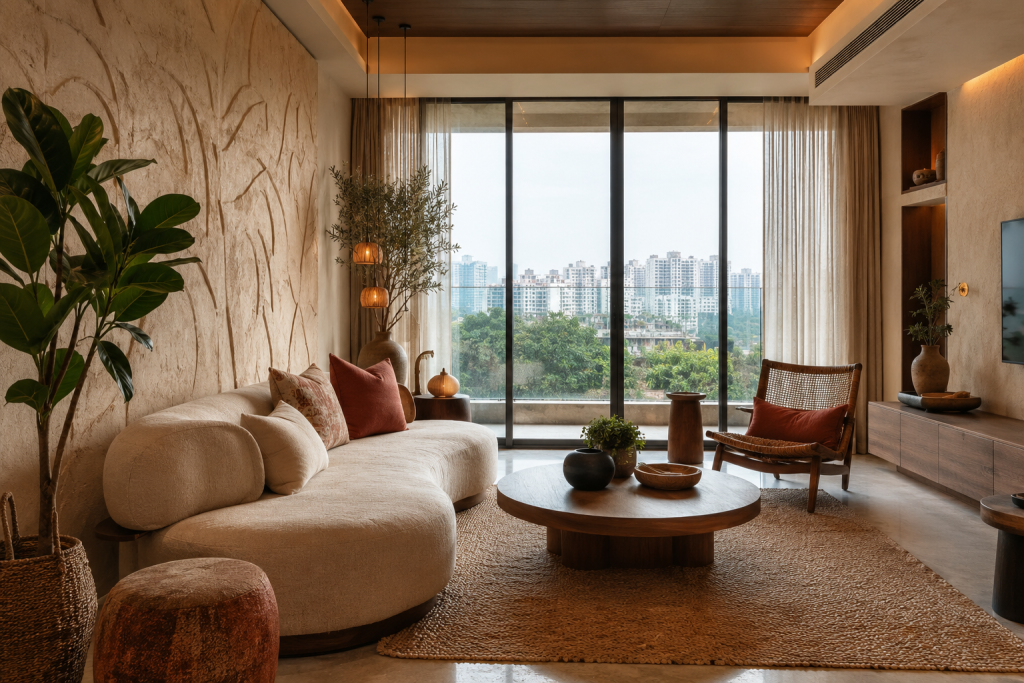
Modern homeowners are looking for interiors that combine style, comfort and practical living. In 2026, the focus is shifting toward smarter layouts, natural materials, flexible spaces and interiors designed around real lifestyles.
Home interiors are becoming more personalized as homeowners look for spaces that feel beautiful without becoming difficult to maintain. For those researching Best Interior Designers in Pimpri Chinchwad , understanding the latest design direction can make it easier to plan a home that feels current while remaining practical for everyday use.
The 2026 approach to interior design is not simply about following every new trend. Instead, homeowners are combining timeless materials with smart functionality, efficient storage, comfortable furniture and carefully planned lighting.
Whether the property is an apartment, 2 BHK, 3 BHK, villa or independent home, the right design should respond to the size of the space and the lifestyle of the people living there.
Why Interior Design Is Changing in 2026
Modern homes need to perform multiple functions. A living room may also become a work area, a dining space may need additional storage, and bedrooms may need dedicated study corners.
This has encouraged a more thoughtful approach to planning. Instead of filling rooms with furniture, designers are focusing on movement, storage, lighting and flexibility.
10 Interior Design Trends to Watch in 2026
Warm Minimalism
Clean layouts are being softened with warm wood textures, comfortable fabrics, subtle lighting and carefully selected decorative elements.
Natural Materials
Wood finishes, stone-inspired surfaces, textured fabrics and earthy tones can create a more relaxed residential atmosphere.
Smart Home Integration
Lighting controls, charging points and connected home features are increasingly being considered during the interior planning stage.
Flexible Furniture
Modular sofas, foldable desks and adaptable furniture allow rooms to perform different functions throughout the day.
Statement Lighting
Decorative pendants, wall lights and layered illumination are being used to add character while improving functionality.
Hidden Storage
Full-height cabinets, concealed compartments and integrated storage help maintain cleaner and more organized interiors.
Biophilic Elements
Indoor plants, natural textures and views toward greenery can add freshness and visual calm to residential spaces.
Multi-Functional Rooms
Spaces are being designed to support work, study, relaxation and occasional guest use without sacrificing comfort.
Personalized Interiors
Homeowners are moving toward interiors that reflect their routines, preferences, collections and individual style.
Timeless Foundations
Neutral foundations and durable finishes provide flexibility so decorative elements can be changed without redesigning the entire home.
2026 design principle: technology and trends should support the homeowner rather than dominate the room. Good interiors balance appearance, functionality, comfort and long-term usability.
Smart Lighting for Modern Homes
Lighting can significantly influence how an interior looks and functions. Instead of relying on one central light source, modern homes can combine ambient, task and accent lighting.
This approach makes it possible to create brighter environments for work and cleaning while using softer illumination for relaxing and entertaining.
Useful Lighting Zones
- Living room ambient lighting
- Kitchen task lighting
- Bedroom bedside lighting
- Study and work lighting
- Accent lighting for artwork and displays
- Corridor and entryway illumination
Storage Is Becoming a Major Design Feature
Storage is especially important in modern apartments where every square foot needs to be used efficiently. Instead of adding standalone cupboards throughout the home, integrated storage can become part of the overall architecture.
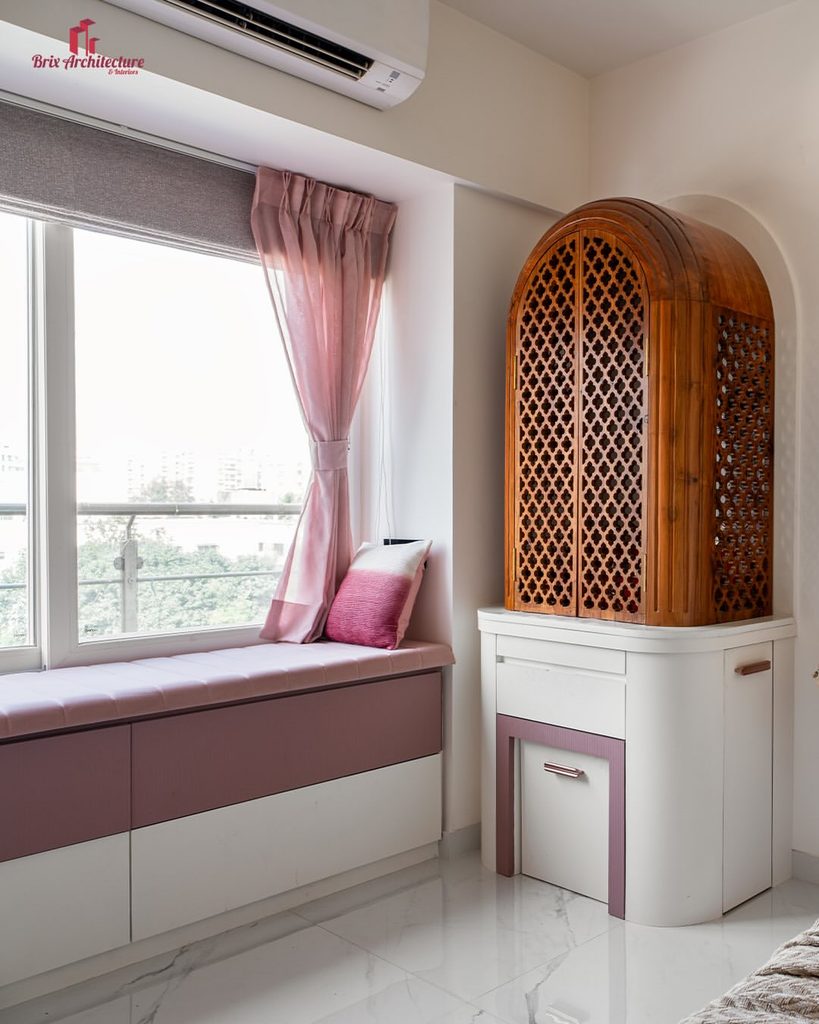
Full-height wardrobes, TV units with concealed storage, window-seat drawers, modular kitchen systems and multifunctional furniture can help reduce visual clutter.
Natural Colours and Textures for 2026
Warm neutrals, earthy shades and natural-looking textures can help create interiors that feel comfortable and adaptable. These tones can also provide a flexible background for artwork, furniture and decorative accents.
| Interior Area | Design Direction | Practical Focus |
|---|---|---|
| Living Room | Warm textures and layered lighting | Comfort and circulation |
| Kitchen | Clean cabinetry and natural finishes | Workflow and storage |
| Bedroom | Soft colours and calming materials | Rest and organization |
| Home Office | Minimal visual distractions | Ergonomics and productivity |
| Entryway | Functional statement design | Storage and movement |
How to Design a Multi-Functional Home
Homes are no longer designed around one activity per room. Flexible planning allows the same space to change according to the time of day and the needs of the family.
A study can become a guest room, a dining area can provide additional storage, and a living room can include a compact work zone. The key is to plan furniture, lighting and circulation before selecting decorative elements.
How to Choose the Right Interior Designer in Pune
Selecting an interior designer should involve more than looking at finished photographs. Consider how the designer understands your lifestyle, develops layouts, selects materials, manages storage and coordinates the execution process.
Discuss your budget, preferred design style, project timeline and functional requirements before work begins. A clearly defined scope can make the overall project easier to understand and manage.
For a modern home, also discuss electrical planning, lighting, storage, furniture placement and smart-home requirements at an early stage. These elements are easier to coordinate when they are included in the design process from the beginning.
Why Timeless Design Still Matters
Trends can change quickly, but the basic principles of good interior design remain useful for years. Comfortable proportions, practical storage, good lighting and durable materials can provide a strong foundation.
Decorative colours, artwork, soft furnishings and selected technology can then be updated as preferences change. This creates a home that can evolve without requiring a complete redesign every few years.
Frequently Asked Questions
What are the major interior design trends for 2026?
What colours are suitable for modern interiors in 2026?
How can I make a small home look more spacious?
Is smart-home technology suitable for interior design?
How important is storage in modern home interiors?
Can one room serve multiple purposes?
What should I discuss with an interior designer before starting?
Final Takeaway
The interior design direction for 2026 focuses on creating homes that are stylish without compromising comfort or functionality. Warm materials, practical storage, flexible spaces, natural elements and thoughtful technology can work together to create interiors that feel contemporary and personal.
If you are researching Best interior designers in Pimpri Chinchwad with price , discussing your requirements, budget and priorities in advance can help you understand the design approach that suits your property.
Planning Your 2026 Home Interior?
Ready to transform your home with a practical and contemporary interior? Discuss your space, lifestyle, design preferences and project requirements with Brix Architecture & Interiors.