
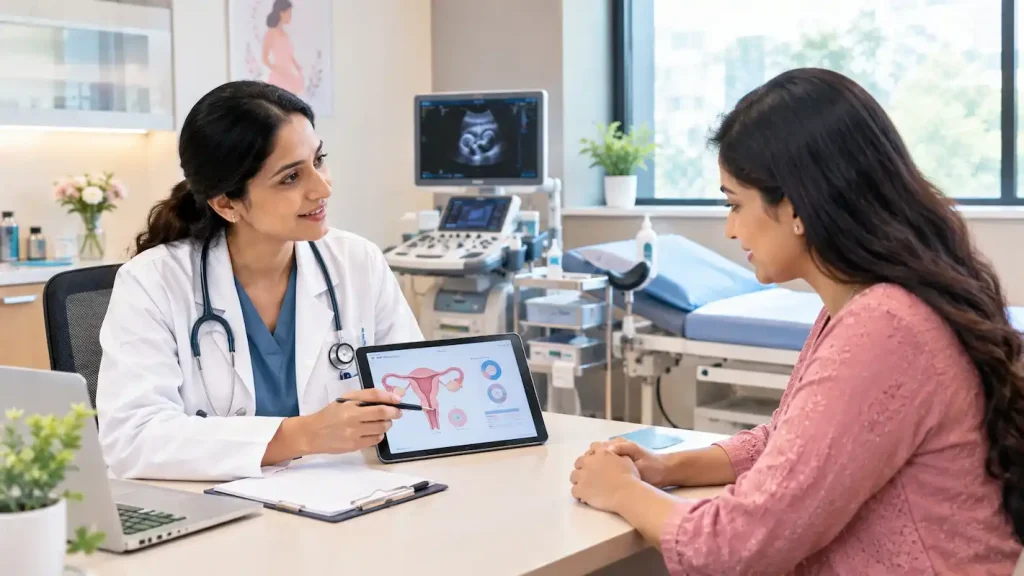
Polycystic ovary syndrome (PCOS) is a common hormonal condition that can affect menstrual cycles, ovulation, skin, hair growth, and metabolism. Symptoms can differ considerably from one woman to another, which is why understanding individual concerns and receiving appropriate medical guidance is important. With the right evaluation and ongoing care, many women can manage their symptoms and work toward their reproductive and overall health goals.
Women searching for PCOS Treatment in Pune can consider a healthcare approach that begins with understanding symptoms, menstrual patterns, medical history, and individual health requirements. ONP – Hospitals provides consultations and healthcare support for women experiencing PCOS-related concerns, with treatment planning based on individual assessment rather than a single approach for every patient.
PCOS management may involve medical guidance, lifestyle changes, nutritional improvements, weight management when appropriate, and treatment for specific symptoms. Some women may also seek support for irregular periods, difficulty with ovulation, acne, unwanted hair growth, or fertility-related concerns. Regular follow-up can help healthcare professionals understand how a person is responding to the recommended care plan.
Understand Your Symptoms
PCOS can present differently in different women, making individual evaluation an important part of care.
Personalized Care
Treatment and follow-up can be planned according to symptoms, health history, and individual goals.
Lifestyle Matters
Balanced nutrition, regular physical activity, sleep, and sustainable habits can form part of PCOS management.
Long-Term Monitoring
Follow-up appointments can help monitor symptoms and adjust care when required.
Understanding PCOS and Its Common Symptoms
PCOS is associated with hormonal and metabolic changes and may affect ovulation. Common signs can include irregular menstrual cycles, acne, increased facial or body hair, scalp hair thinning, and difficulty with ovulation. Some women may have only a few symptoms, while others may experience several at the same time.
Symptoms alone do not confirm PCOS. A healthcare professional may review menstrual history, symptoms, physical findings, and relevant investigations before determining whether further evaluation or treatment is appropriate. This helps distinguish PCOS-related symptoms from other conditions that can cause similar changes.
PCOS Healthcare Services at ONP – Hospitals
PCOS care can involve several aspects of women’s healthcare depending on the individual’s concerns. ONP – Hospitals provides a professional healthcare environment where women can discuss symptoms, undergo appropriate evaluation, and receive guidance based on their healthcare requirements.
PCOS Consultation
Evaluation of menstrual patterns, symptoms, medical history, and individual concerns related to PCOS.
Hormonal Evaluation
Relevant investigations may be recommended when clinically appropriate to understand hormonal concerns.
Menstrual Health Support
Care can address concerns related to irregular or changing menstrual cycles.
Fertility Support
Women experiencing ovulation or conception-related concerns may receive appropriate fertility guidance.
Lifestyle Guidance
Healthcare guidance may include sustainable nutrition, activity, sleep, and lifestyle habits.
Follow-Up Care
Ongoing consultations can help review symptoms and modify the care plan when needed.
How Is PCOS Managed?
PCOS management depends on the symptoms a woman experiences and her individual healthcare goals. For some women, the focus may be on regulating menstrual cycles or managing skin and hair-related symptoms. For others, treatment may focus on ovulation and fertility, while metabolic health and lifestyle factors may also need attention.
Healthcare professionals may recommend lifestyle changes, medicines, or other treatments when appropriate. The choice of treatment should be based on individual medical assessment rather than a standard plan. Regular follow-up can help determine whether the chosen approach is working effectively and whether adjustments are needed.
Lifestyle Support for PCOS
- Balanced nutrition: Focus on sustainable eating habits suited to individual nutritional requirements.
- Regular physical activity: Consistent activity can support general health and metabolic wellbeing.
- Healthy sleep habits: Maintaining a regular sleep routine can support overall wellbeing.
- Stress management: Relaxation, adequate rest, and healthy routines can contribute to overall health.
- Regular follow-up: Medical reviews can help track symptoms and ongoing healthcare needs.
How to Choose the Right PCOS Hospital in Pune
When choosing a healthcare facility for PCOS concerns, consider factors such as the availability of gynecology specialists, consultation facilities, diagnostic support, fertility-related services when required, follow-up care, accessibility, and the overall hospital environment. It is also useful to understand whether the healthcare team takes time to discuss symptoms, investigations, treatment choices, and lifestyle considerations.
Women may have different concerns and treatment goals, so an individualized approach can be important. Before selecting a hospital, patients can ask about consultation procedures, available investigations, follow-up schedules, and the types of women’s healthcare services provided.
Women and families seeking comprehensive women’s and mother-and-child healthcare can also explore Best Mother and Child Hospital in Pune for High-Risk Pregnancy Shivajinagar for additional healthcare information.
Simple Checklist Before Choosing a Hospital
Check whether suitable women’s healthcare specialists are available.
Understand what evaluation and diagnostic facilities are available.
Ask how follow-up consultations and ongoing monitoring are handled.
Look for clear communication about symptoms, treatment options, and healthcare goals.
Frequently Asked Questions About PCOS
Final Takeaway
PCOS can affect different aspects of women’s health, but its symptoms and healthcare needs are not the same for everyone. Appropriate evaluation, personalized treatment, healthy lifestyle habits, and regular follow-up can help women manage their individual concerns. Choosing a healthcare facility with suitable women’s health services and clear communication can support informed healthcare decisions.
For women exploring dedicated care options, learn more about PCOS Treatment Hospital in Pune and Best PCOS Hospital in Pune at ONP – Hospitals.