“How long before I can walk normally again?” That’s usually the first thing patients ask, sometimes even before they’ve fully processed that they need surgery at all. Fair question. Knee replacement isn’t a small decision, and knowing what recovery genuinely looks like, week by week, makes the whole thing feel less overwhelming. This guide walks through exactly that, based on what most patients in Pune actually go through, along with why the surgeon and hospital you pick matter more than most people expect going in.
The Quick Answer, Before the Longer One
Generally speaking, patients start walking with support within a day or two of surgery, get around the house independently within two to three weeks, and return to most regular activities somewhere between six weeks and three months. Full recovery, the point where the knee stops feeling like something you’re constantly aware of, usually takes six months to a year. Where you land on that timeline depends on age, fitness, how seriously you take physiotherapy, and the surgical technique used in the first place.
Recovery, Week by Week
Day one to three. Right after surgery, the focus is pain control and getting the knee moving, even if that’s just a few supported steps. Sounds counterintuitive so soon after surgery, but early mobilization is actually one of the biggest factors in how smoothly everything else goes later.
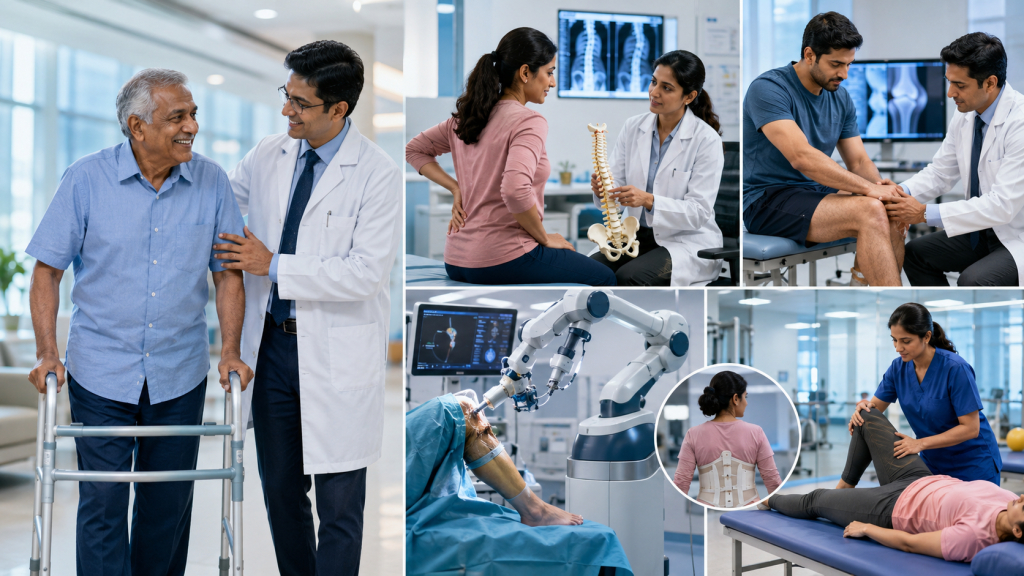
Week one to three. Most patients are home by now, settling into a routine of rest, light movement, and physiotherapy. Walking with a walker starts feeling more natural, and everyday things, standing up, moving between rooms, get a little easier with each passing day.
Week four to six. This is usually where real progress becomes noticeable. Pain eases more consistently, and quite a few patients manage short walks without support by this point. Physiotherapy still matters a great deal here, since the muscles around the knee are still rebuilding.
Month two to three. Many people return to desk-based work now. Driving usually becomes possible again too, once knee bending and reaction time have improved enough to feel safe.
Month six to twelve. By this stage, the knee genuinely starts feeling like part of the body again, rather than something you’re actively recovering from. Strength and flexibility are mostly back, though small improvements can keep showing up even past the one-year mark.
What Actually Speeds Up or Slows Down Recovery
Recovery isn’t just about time passing, a few specific things genuinely shape how quickly it happens.
Surgical precision matters more than most patients realize going in. This is exactly why taking the time to find the Best Knee Surgeon In Pune, Maharashtra, India is worth it, because accuracy during surgery directly affects how much the surrounding tissue gets disturbed, and less disturbance generally means faster healing.
Sticking with physiotherapy is probably the biggest factor a patient actually controls. Skipping sessions, even when the knee feels fine, tends to slow things down more than people expect.
Pre-surgery fitness counts too, in a quiet sort of way. Patients who work on leg strength beforehand, when that’s an option, often bounce back a bit more smoothly.
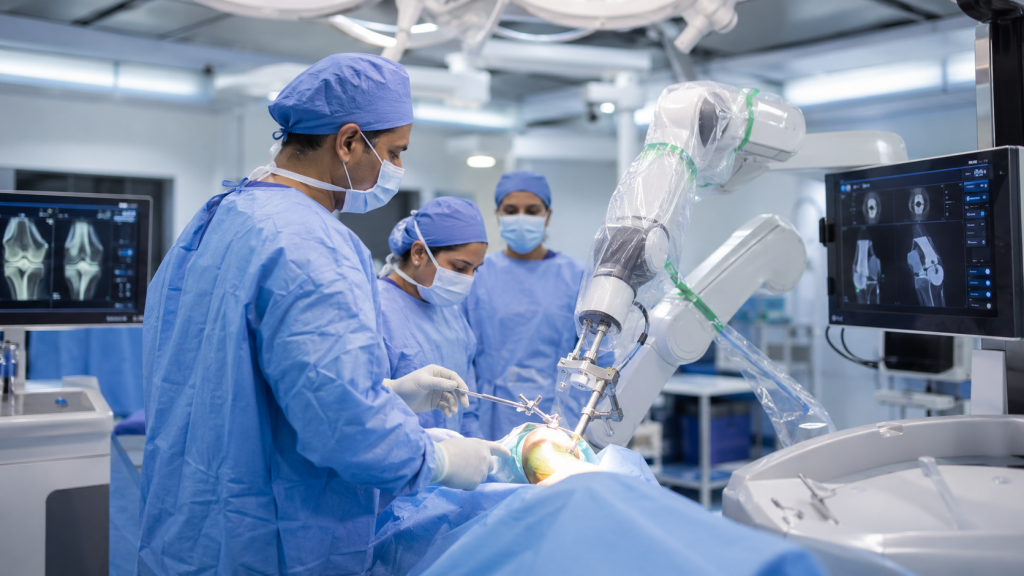
The technology used during surgery makes a real difference as well. Robotic-assisted procedures allow for noticeably more precise bone alignment and implant positioning compared to traditional methods, which is part of why patients now specifically look for the best robotic knee hospital in Pune, Maharashtra, India instead of just going with whichever hospital happens to be closest.
Following post-surgery guidelines, not rushing back into high-impact activity, prevents setbacks that could otherwise add weeks onto the whole process.
Why the Hospital and Surgeon You Choose Actually Matters
Recovery isn’t shaped by the surgery alone, it’s shaped just as much by how precisely that surgery was done and the quality of care that follows it. Working with the best knee surgeon in Pune, Maharashtra, India typically means more accurate implant placement, fewer complications, and a smoother stretch through those first uncertain weeks.
Robotic-assisted knee replacement has genuinely changed what recovery looks like for a lot of patients too. The Best Robotic Knee Hospital In Pune, Maharashtra, India offers access to cutting-edge imaging and precision tools that minimise tissue damage during surgery. This typically means less pain later and you can return to normal movement quicker. Pair that with a structured physiotherapy plan and regular follow-ups, and the whole experience tends to feel noticeably less stressful, start to finish.
Frequently Asked Questions
1. When will I be able to walk after knee replacement surgery?
Most patients can take their first few steps with assistance within one day after surgery and usually find walking with a walker or crutches comfortable within the first one to two weeks.
2. Robotic knee surgery: Does it recover faster than the old way?
Yes, in a lot of cases. Robotic-assisted surgery also allows better cutting and alignment of the implants and this usually results in less trauma to the tissue and faster recovery.
3. When can I expect to climb stairs comfortably again?
Usually somewhere around the four to six week mark for most people, though consistent physiotherapy plays a real role in how quickly that happens.
4. Do I need physiotherapy or can I rest up and recover?
Rest helps with healing, sure, but physiotherapy is what actually rebuilds strength and flexibility around the new joint. Skipping it tends to slow things down significantly, even if the knee feels fine at first.
Final Thoughts
Knee replacement recovery isn’t one fixed number you can circle on a calendar, it’s a gradual process shaped by your body, your commitment to physiotherapy, and, just as importantly, the surgical care you receive along the way. While the general milestones, walking within days, independence within weeks, full recovery within a year, hold true for most people, the difference between an average recovery and a genuinely smooth one usually comes down to choosing the best knee surgeon in Pune, Maharashtra, India and, where it’s relevant, the best robotic knee hospital in Pune, Maharashtra, India right from the start.
If knee replacement surgery is somewhere on your horizon, it’s worth having an honest conversation with your surgeon about what your own recovery timeline might realistically look like, based on your health, activity level, and the surgical approach that actually fits your case.