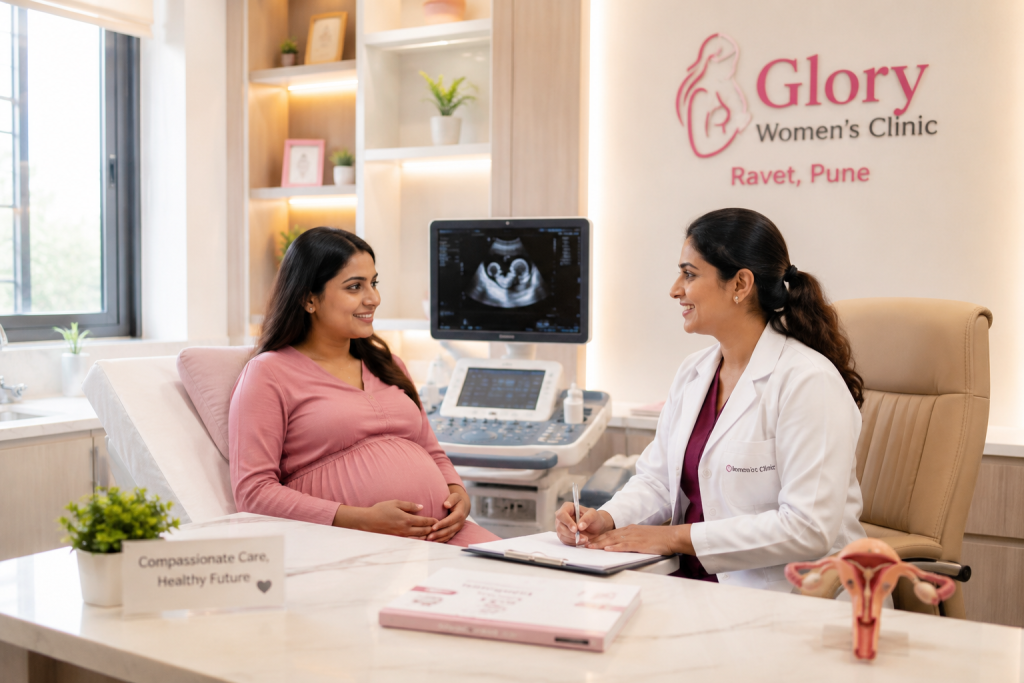

Pregnancy Care in PCMC: A Complete Guide for Expecting Mothers
Pregnancy is one of the most beautiful and emotional journeys in a woman’s life. It is also full of questions. What should I eat? Which tests are important? How do I know my baby is growing well? Having the right medical guidance from the very first week can turn worry into confidence. This guide explains what to expect during pregnancy, how to prepare, and how to choose the right doctor in Pimpri-Chinchwad.
Many families in the area search for trusted maternity care close to home. If you are looking for the Best Gynecologist in PCMC for Pregnancy, you want a doctor who listens patiently, explains every step clearly, and is available when it matters most. The right specialist guides you from the first positive test to the day you hold your baby.
Why Early Pregnancy Care Matters
The first trimester is when your baby’s organs begin to form. Early visits help confirm the pregnancy, estimate the due date, and identify risks such as anemia, thyroid problems, diabetes, or high blood pressure. Starting folic acid, vitamin D, and iron under medical advice supports healthy development and lowers the chance of complications later. Women who conceive after fertility treatment at an IVF Center in PCMC need this same early monitoring, often with closer follow-up.
Understanding the Three Trimesters
First Trimester (Weeks 1–12)
Fatigue, nausea, breast tenderness, and mood swings are common. Your doctor will usually advise blood tests, urine tests, and an early ultrasound. Small meals, plenty of water, and rest help. Avoid self-medication, and report severe vomiting, bleeding, or sharp abdominal pain at once. If your pregnancy began with treatment, an experienced IVF Specialist in PCMC can guide you through these early weeks.
Second Trimester (Weeks 13–27)
Many women feel more energetic in this phase. You may feel the first baby movements. Important checks include the anomaly scan, glucose screening for gestational diabetes, and regular blood pressure monitoring. This is also a good time to begin gentle exercise such as walking and prenatal yoga, if your doctor approves.
Third Trimester (Weeks 28–40)
Visits become more frequent as the baby grows. Growth scans, fetal movement counting, and discussions about delivery options become the focus. Pack your hospital bag early, learn the signs of labour, and keep emergency contacts ready.
Quick Pregnancy Health Tips
Include leafy greens, pulses, fruit, dairy, and protein in every day’s meals.
Aim for 2–3 litres of fluids daily unless your doctor advises otherwise.
Regular visits catch small problems before they become big ones.
Sleep on your left side in later months to improve blood flow to the baby.
Breathing exercises, light yoga, and family support protect your mental health.
Stay away from tobacco, alcohol, raw papaya, and unprescribed medicines.
Warning Signs You Should Never Ignore
Most pregnancies go smoothly, but certain symptoms need urgent attention:
- Heavy vaginal bleeding or leaking of fluid
- Severe headache with blurred vision or swelling of face and hands
- Reduced or absent baby movements
- Persistent fever or burning urination
- Regular, painful contractions before 37 weeks
Services Offered by Dr. Avinash Phadnis
Women’s health needs change at every stage of life. Under one roof, patients can access comprehensive care designed around their needs:
Complete monitoring, scans, nutrition advice, and screening throughout pregnancy.
Close supervision for diabetes, hypertension, twins, and previous complications.
Normal and caesarean delivery with personal guidance on the safest option.
Evaluation and treatment for couples facing difficulty in conceiving.
Minimally invasive procedures for fibroids, cysts, and other gynecological issues.
Treatment for irregular periods, hormonal imbalance, PCOS, and heavy bleeding.
Guidance on symptoms, bone health, and long-term wellness after 40.
Recovery support, breastfeeding advice, and family planning after delivery.
How to Choose the Right Gynecologist for Pregnancy in PCMC
Choosing a doctor is one of the biggest decisions of your pregnancy. Keep these points in mind:
- Experience and qualifications: Look for proven experience in normal deliveries, high-risk cases, and surgical care.
- Communication: A good doctor answers questions without rushing and explains options in simple language.
- Location and accessibility: Pregnancy can bring sudden emergencies, so a nearby clinic saves precious time.
- Facilities: Ultrasound, lab support, and a well-equipped delivery setup make care smoother.
- Patient reviews: Honest feedback from other mothers shows how patients are treated in real life.
- Complete women’s care: A doctor who handles fertility, pregnancy, and gynecology saves you from changing clinics later.
📍 Planning a family? Visit our trusted IVF Center in PCMC for fertility guidance, and find us on the map below.
Preparing for Delivery: Normal or Caesarean?
Most women hope for a normal delivery, and in many cases it is safe and possible. A caesarean section becomes necessary when there are concerns such as an abnormal baby position, fetal distress, placenta problems, or a stalled labour. The decision should always be made together with your doctor after considering your health and your baby’s safety. Attending antenatal classes, practising breathing techniques, and staying active all improve your chances of a smooth birth.
Postpartum Care: The Fourth Trimester
The weeks after birth are just as important as pregnancy itself. Your body needs rest, nutritious food, and emotional support. Watch for signs of postpartum depression, such as constant sadness, anxiety, or difficulty bonding, and speak up early. Follow-up visits help check healing, support breastfeeding, and discuss safe family planning.
Every pregnancy is unique. Compare less, ask more, and trust a doctor who treats you as a partner in your own care.
Frequently Asked Questions
When should I visit a gynecologist after a positive pregnancy test?
How many check-ups are needed during pregnancy?
Is normal delivery possible after a previous caesarean?
Which foods should I avoid during pregnancy?
When should couples consult a doctor for infertility?
Is exercise safe during pregnancy?
Final Takeaway
A healthy pregnancy begins with awareness, timely check-ups, balanced nutrition, and a doctor you trust completely. Listen to your body, ask every question, and never ignore warning signs. If you are also planning to expand your family, seeking expert advice early can give you clear answers and the right direction. With compassionate care from Dr. Avinash Phadnis, every step from conception to delivery and beyond can be a confident and joyful one. Book your consultation today and take the first step toward a healthy motherhood journey.