
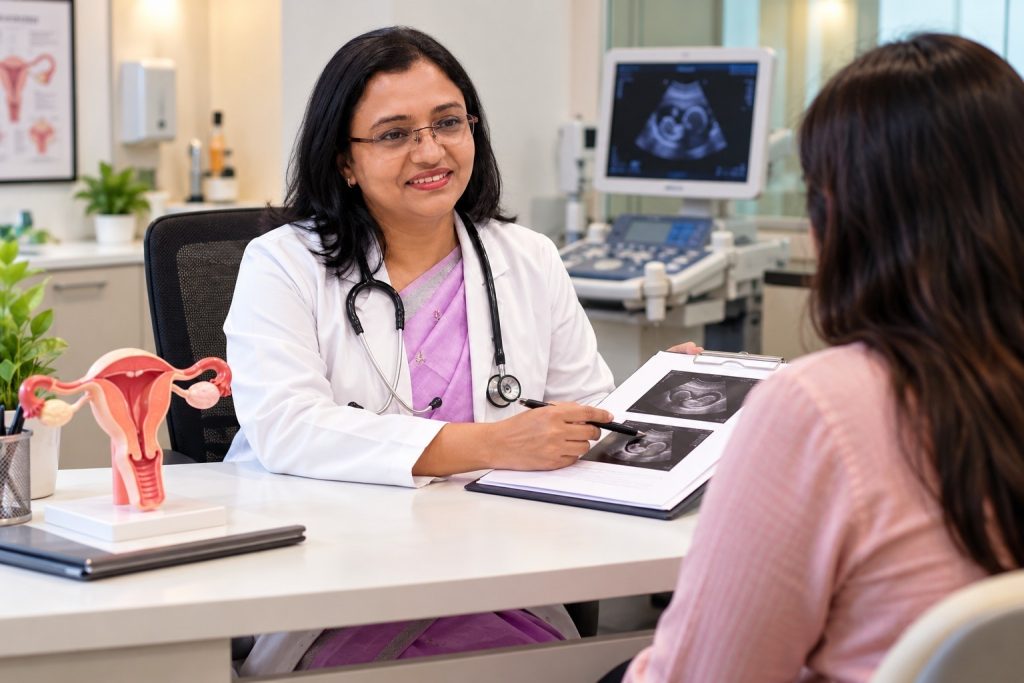
Women’s health deserves attention at every stage of life, from the first menstrual cycle to pregnancy, motherhood, and menopause. Having access to reliable medical guidance can help women understand changes in their bodies, manage health concerns, and make informed decisions about their well-being.
Finding a Gynecologist In Akurdi is an important step towards receiving personalized care for menstrual problems, PCOS, fertility concerns, pregnancy, and other reproductive health needs. Dr. Darshana Sonwane provides obstetric and gynecological care, helping women understand their health concerns and explore suitable care options based on their individual needs.
This guide explains what to look for when choosing a gynecologist in Akurdi, the importance of regular checkups, pregnancy care, common gynecological conditions, and how to choose appropriate maternity services for your needs.
Why Choosing the Right Gynecologist In Akurdi Matters
Women’s health involves much more than pregnancy and childbirth. Menstrual health, hormonal balance, fertility, preventive screening, and menopause care are also important parts of overall well-being.
A qualified gynecologist can help assess symptoms, recommend appropriate investigations, explain possible diagnoses, and develop a treatment plan based on your individual health needs.
When searching for a Gynecologist In Akurdi, consider the doctor’s qualifications, clinical experience, communication style, range of services, and access to diagnostic support. It is equally important to feel comfortable discussing personal concerns without embarrassment.
A good consultation should give you an opportunity to ask questions and understand your treatment options. You should know why a test or treatment is being recommended and what follow-up may be required.
Women’s Healthcare Services for Every Stage of Life
A woman’s healthcare needs can change with age, lifestyle, reproductive goals, and medical history. Regular consultations help address current concerns and support long-term health.
1. Menstrual Problems and Irregular Periods
Irregular periods, unusually heavy bleeding, severe cramps, and missed periods can affect everyday life. While occasional changes may occur, persistent or significant changes deserve medical attention.
Possible causes include hormonal fluctuations, thyroid disorders, polycystic ovary syndrome (PCOS), stress, and other reproductive health conditions.
A gynecologist may review your menstrual history, symptoms, and medical background before recommending blood tests, an ultrasound, or other investigations where appropriate.
Do not ignore very heavy bleeding, severe pelvic pain, or bleeding accompanied by dizziness or weakness. Seek prompt medical advice, particularly if symptoms are sudden or severe.
2. PCOS and Hormonal Health
Polycystic ovary syndrome, commonly called PCOS, is a hormonal condition that can affect menstrual cycles, ovulation, skin, hair growth, and fertility.
Women with PCOS may experience irregular periods, acne, increased facial hair, or difficulty becoming pregnant. However, symptoms vary, and not every woman experiences the same combination of concerns.
A gynecologist can assess symptoms and recommend suitable investigations. Depending on individual needs, management may involve lifestyle guidance, menstrual-cycle regulation, treatment for specific symptoms, and fertility planning.
Early evaluation can help women understand their condition and discuss practical ways to manage it over time.
3. Fibroids, Ovarian Cysts, and Pelvic Pain
Fibroids and ovarian cysts are common gynecological findings, although their significance differs from person to person. Some cause no symptoms, while others may contribute to heavy periods, pelvic discomfort, pressure, or fertility concerns.
A medical assessment helps determine whether observation, further testing, medication, or specialist treatment may be appropriate.
Persistent pelvic pain should not be self-diagnosed. A gynecologist can assess the possible causes and guide you towards suitable care.
4. Preventive Checkups and Reproductive Health
Regular gynecological consultations can help you discuss menstrual health, contraception, reproductive planning, vaccination, and age-appropriate screening.
The tests recommended for you will depend on your age, symptoms, medical history, family history, and previous screening results.
Preventive care is not only for women who are experiencing symptoms. It can also help women understand changes in their bodies and make informed healthcare decisions.
Best Gynecologist In Akurdi: What Should You Look For?
Searching for the Best Gynecologist In Akurdi involves more than comparing online listings. The right doctor should have appropriate qualifications, experience relevant to your concerns, and a clear approach to diagnosis and treatment.
Clear Communication and Personalized Care
Every patient’s medical history is different. Your treatment plan should reflect your symptoms, age, reproductive goals, and overall health rather than follow a one-size-fits-all approach.
Appropriate Diagnostic Support
Depending on your symptoms, a gynecological assessment may involve blood tests, ultrasound examinations, or other investigations.
Ask which tests are necessary and how the results will influence your care. Investigations should be selected according to your clinical needs.
Follow-Up and Continuity of Care
Some conditions require monitoring over time. PCOS, fertility concerns, pregnancy, and certain menstrual disorders may involve follow-up consultations.
Before choosing a gynecologist, understand how appointments and follow-up care are arranged. This can make it easier to stay consistent with your treatment plan.
Pregnancy Care with a Gynecologist In Akurdi
Pregnancy is an exciting experience, but it can also bring many questions. From confirming a pregnancy to monitoring the baby’s growth and preparing for childbirth, regular medical guidance helps women understand what to expect at each stage.
A Gynecologist In Akurdi can help you plan antenatal appointments, assess your health, discuss recommended tests, and identify concerns that may need additional monitoring.
First Trimester: Early Pregnancy Assessment
The first trimester covers the early weeks of pregnancy. During this stage, a healthcare professional may review your medical history, confirm pregnancy details, assess symptoms, and recommend appropriate blood tests or ultrasound examinations.
You can also discuss prescribed medicines, supplements, nutrition, nausea, and lifestyle changes.
Second Trimester: Monitoring Growth and Well-Being
During the second trimester, appointments help monitor the mother’s health and the baby’s development. Depending on the stage of pregnancy and clinical recommendations, your doctor may discuss ultrasound scans, blood tests, nutrition, and screening for pregnancy-related conditions.
This is also a good time to ask questions about physical activity, common discomforts, and preparations for the months ahead.
Third Trimester: Preparing for Birth
As the due date approaches, antenatal visits focus on ongoing maternal and fetal assessment, identifying potential concerns, and discussing birth preparedness.
Your doctor may explain warning signs, when to seek urgent medical attention, and what to expect during labour and after delivery.
The timing and frequency of appointments should be tailored to your pregnancy and medical needs.
High-Risk Pregnancy Monitoring
Some pregnancies need closer monitoring because of existing health conditions, previous pregnancy complications, multiple pregnancy, or concerns that develop during pregnancy.
Conditions such as high blood pressure and gestational diabetes may require additional assessment and coordinated care.
If your pregnancy is considered high risk, ask your doctor about the recommended monitoring schedule and whether consultation with another specialist or care at a hospital with additional facilities is needed.
Best Maternity Care Hospital In Akurdi: How to Choose the Right Care
Choosing a Best Maternity Care Hospital In Akurdi is an important decision for expectant parents. Along with regular pregnancy consultations, consider where you would receive care if you need delivery services or urgent medical support.
The most appropriate maternity facility depends on your pregnancy, personal preferences, medical requirements, and the services available at that facility.
Important Factors to Consider
Obstetric support: Check whether qualified obstetric professionals are available for the level of care you may need.
Emergency arrangements: Ask how pregnancy emergencies are handled and whether the facility has access to emergency obstetric care.
Newborn care: Find out what newborn assessment and support are available, including arrangements for premature or unwell babies if required.
Diagnostic facilities: Ask about access to laboratory investigations, ultrasound services, and other tests recommended during pregnancy.
Delivery options: Discuss available delivery approaches with your healthcare professional. The safest approach depends on your clinical circumstances, not simply personal preference.
Postnatal care: After delivery, mothers may need support with recovery, breastfeeding, emotional well-being, and newborn care.
Before making a decision, confirm the facility’s current services, staffing, admission arrangements, and emergency capabilities directly with the provider.
Why Maternity Care Should Begin Early
Pregnancy care should not start only when the delivery date is near. Early and regular antenatal care gives healthcare professionals opportunities to assess maternal health, monitor the pregnancy, and identify concerns that may need attention.
Your individual appointment schedule may vary according to your health and the progress of your pregnancy.
Fertility Consultation and Pregnancy Planning
For couples planning to conceive, a preconception consultation can help identify health factors that may affect pregnancy and provide guidance before trying to conceive.
During a consultation, a gynecologist may review menstrual cycles, previous pregnancies, medications, lifestyle factors, and relevant medical history. Additional investigations may be recommended when indicated.
If conception is taking longer than expected, a fertility assessment can help identify possible causes and discuss suitable next steps.
As a general guide, couples are commonly advised to seek fertility evaluation after 12 months of trying to conceive when the woman is under 35, or after six months when she is 35 or older. Earlier assessment may be appropriate when there are known reproductive health conditions, irregular or absent periods, or other concerns.
Fertility evaluation may involve both partners, depending on the circumstances. A consultation can help you understand the process without assuming that a particular treatment will be necessary.
What to Expect During Your First Gynecology Appointment
If you feel nervous about your first appointment, remember that it is an opportunity to discuss your health and receive guidance.
To make the consultation more useful, consider preparing the following information:
- The date of your last menstrual period and your usual cycle pattern.
- Your current symptoms and when they started.
- Details of previous pregnancies, procedures, or relevant medical conditions.
- A list of medicines and supplements you currently take.
- Previous test results or ultrasound reports, if available.
- Questions about pregnancy planning, contraception, fertility, or treatment.
When Should You Consult a Gynecologist?
Consider arranging an appointment if you experience persistent irregular periods, unusually heavy bleeding, severe menstrual pain, ongoing pelvic discomfort, fertility difficulties, or symptoms associated with hormonal changes.
You should also seek advice when planning a pregnancy, confirming a pregnancy, or reviewing a previous pregnancy complication.
Some symptoms require urgent medical attention. During pregnancy, heavy bleeding, severe abdominal pain, fainting, difficulty breathing, or other sudden and severe symptoms should not wait for a routine appointment. Contact emergency medical services or seek urgent care as appropriate.
Supporting Your Long-Term Women’s Health
Good women’s healthcare involves more than treating a problem after it appears. Understanding your menstrual cycle, maintaining healthy lifestyle habits, attending recommended screenings, and seeking medical advice when symptoms persist can all contribute to better-informed health decisions.
Avoid relying on online information to diagnose a condition or starting hormonal medicines without professional guidance. A qualified clinician can help determine which advice and treatments are appropriate for your situation.
Whether you need routine care, pregnancy monitoring, or an assessment for a specific concern, make time for your health and discuss your needs openly with your healthcare provider.
Frequently Asked Questions
1. How do I choose a Gynecologist In Akurdi?
Look for a qualified gynecologist with relevant clinical experience, clear communication, and services suited to your needs. Dr. Darshana Sonwane provides obstetric and gynecological consultations. Review the clinic’s current services and appointment availability before booking.
2. Who is the Best Gynecologist In Akurdi for pregnancy care?
The right gynecologist is one whose qualifications and experience match your pregnancy needs and who can provide appropriate antenatal monitoring and referrals when necessary. You can contact Dr. Darshana Sonwane to enquire about pregnancy consultations and available care options.
3. How can I find the Best Maternity Care Hospital In Akurdi?
Compare maternity facilities based on obstetric support, emergency arrangements, newborn care, diagnostic access, delivery services, and postnatal support. Dr. Darshana Sonwane can help you discuss pregnancy-care requirements and whether referral to a suitable maternity facility is needed.
4. When should I visit a gynecologist for irregular periods?
Arrange a consultation if your periods are persistently irregular, unusually heavy, absent, or accompanied by significant pain. A gynecologist can assess possible causes and recommend investigations or treatment based on your symptoms and medical history.
5. When should I book my first pregnancy appointment?
Contact a healthcare professional as soon as you suspect or confirm pregnancy. Early assessment helps establish a suitable antenatal care plan. The World Health Organization recommends the first antenatal contact within the first 12 weeks of pregnancy, with further contacts scheduled throughout pregnancy according to clinical needs.
Conclusion: Find the Right Gynecological Care in Akurdi
Choosing a Gynecologist In Akurdi is an important part of caring for your reproductive health, planning a pregnancy, and managing gynecological concerns. Look for qualified medical guidance, personalized care, clear communication, and appropriate follow-up.
If you are comparing options for the Best Gynecologist In Akurdi or looking for a Best Maternity Care Hospital In Akurdi, take time to understand the services available and choose care that matches your individual needs.
Book a Consultation
For pregnancy guidance, menstrual concerns, PCOS evaluation, fertility counselling, or other women’s health questions, contact Dr. Darshana Sonwane to enquire about available consultations.
Glory Women’s Clinic
Phone: 89833 41931
Website: https://www.drdarshanasonwane.com/best-gynecologist-akurdi/