
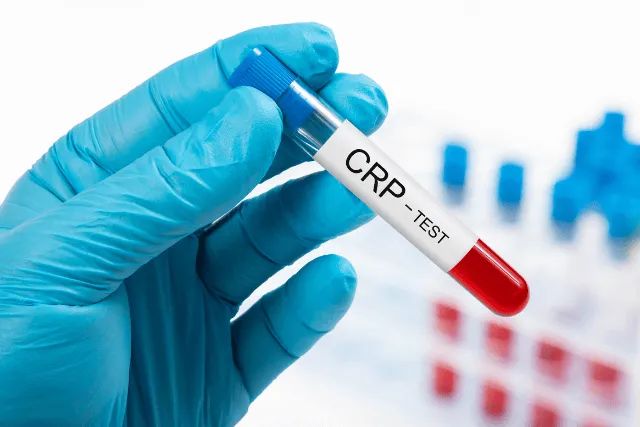
Persistent fever, unexplained body pain, swelling in the joints or a long recovery after an infection can leave anyone worried. In many such situations, doctors look for a simple marker in your blood that shows whether inflammation is active inside the body. That marker is C-reactive protein, or CRP, and measuring it is quick, safe and widely trusted.
If your doctor has suggested a CRP Test In Pune, it helps to understand what the result means, how to prepare and where to get accurate reports. At Raghav Diagnostic Centre, the test is performed with careful sample handling and quality-checked equipment so that you and your doctor can rely on the numbers.
What Is C-Reactive Protein (CRP)?
CRP is a protein made by the liver. Its level in the blood rises sharply when there is inflammation, usually within hours of an infection, injury or flare-up of an inflammatory condition. When the cause settles, CRP falls again, which is why doctors use it both to detect a problem and to track whether treatment is working.
CRP does not tell you exactly where the problem is or what is causing it. Think of it as a smoke alarm: it signals that something needs attention, and your doctor then uses your symptoms, examination and other tests to find the source.
Quick facts about CRP
- Simple blood draw from a vein in your arm
- Fasting is usually not required, unless other tests are combined
- Rises within hours of infection or tissue injury
- Falls as healing begins, helping track treatment response
- Reports are often ready the same day, depending on the lab
Why Do Doctors Recommend a CRP Test?
A CRP test is usually advised when a doctor suspects inflammation or infection, or wants to monitor a known condition. Common reasons include:
Standard CRP vs hs-CRP: What Is the Difference?
A standard CRP test measures higher levels of the protein and is mainly used to detect and monitor significant inflammation or infection. The high-sensitivity CRP (hs-CRP) test can detect much smaller changes and is mostly used to estimate the risk of heart disease in people who do not have an active infection.
Laboratories use slightly different units and methods, so always compare your result with the reference range printed on your own report. As a general guide, many labs treat a standard CRP below about 10 mg/L as normal or mildly raised, while for hs-CRP a value below 1 mg/L is generally considered low risk, 1 to 3 mg/L average risk and above 3 mg/L higher risk. Your doctor will interpret these figures along with your health history.
Understanding Your CRP Report
A low CRP generally means there is no significant active inflammation at the time of testing. A moderately raised level can occur with mild infections, obesity, smoking, poor sleep or even intense exercise. Very high levels, often in the range of tens or hundreds of mg/L, are more typical of serious bacterial infection, major injury or an active inflammatory disease.
Things that can affect your result
- Recent illness, fever, cold or dental infection
- Recent surgery, injury or vigorous workout
- Smoking, excess body weight and long-term stress
- Certain medicines such as steroids or anti-inflammatory drugs
- Pregnancy or hormonal treatment, which may slightly raise levels
Because so many things can influence CRP, one reading in isolation is rarely the full story. Doctors often repeat the test after a few days or weeks to see the trend.
How to Prepare for a CRP Blood Test
Preparation is simple, but a few steps keep the result as reliable as possible:
- Tell the technician about medicines: Mention steroids, aspirin, statins or any regular medication.
- Stay hydrated: Drinking water makes the blood draw easier.
- Follow fasting advice only if told: A CRP test on its own typically needs no fasting, but a combined package with sugar or lipid tests may.
- Avoid heavy exercise beforehand: Strenuous activity can raise inflammation markers temporarily.
- Carry your prescription and old reports: They help your doctor compare trends.
The sample collection takes only a few minutes. You may feel a slight pinch, and a small bruise at the site is possible but usually fades quickly.
Services Offered at Raghav Diagnostic Centre
Raghav Diagnostic Centre provides a range of diagnostic services so that tests suggested by your doctor can be completed in one convenient place. Key service types include:
When Should You See a Doctor About a Raised CRP?
A raised CRP is not a diagnosis, and it does not always mean something serious. Even so, you should speak to your doctor promptly if the result is high and you also have a fever that will not settle, chest pain, breathlessness, severe abdominal pain, swelling or redness of a joint, or a wound that is not healing. Do not start or stop medicines on your own based on a report. Share it with your physician so that the next steps, such as further blood tests or imaging, can be planned safely.
Healthy Habits That Support Lower Inflammation
- Eat colourful, fibre-rich foods: Vegetables, fruits, whole grains, nuts and pulses are a good base.
- Stay active: Regular moderate exercise such as brisk walking supports overall health.
- Maintain a healthy weight: Excess body fat is linked with higher inflammation levels.
- Quit tobacco: Smoking is a well-known contributor to raised CRP.
- Sleep well: Aim for seven to eight hours of quality sleep each night.
- Manage stress: Relaxation, hobbies and social support all play a role.
These habits do not replace medical treatment, but they support your body alongside the plan your doctor recommends.
How to Choose the Right CRP Test Lab In Pune
Accurate results depend on the laboratory as much as on the test itself. When comparing diagnostic centres, keep these points in mind:
- Quality control: Look for calibrated analysers, trained technicians and regular internal quality checks.
- Hygiene and safety: Single-use needles, clean collection areas and proper sample labelling are essential.
- Clear reports: Reports should show units, reference ranges and the method used.
- Turnaround time: Prompt reporting helps your doctor start treatment without waiting.
- Range of services: A centre offering blood tests, sonography and X-ray saves you multiple trips.
- Convenient location: Easy access makes follow-up and repeat testing less stressful.
Raghav Diagnostic Centre is centrally located, making it simple for patients from different parts of Pune to visit. You can find the centre on the map below.
Frequently Asked Questions
What is a CRP test and why is it done?
A CRP test measures the amount of C-reactive protein in your blood, which rises when there is inflammation or infection in the body. Doctors use it to detect infections, monitor inflammatory conditions and check whether treatment is working. At Raghav Diagnostic Centre, the test is done from a small blood sample collected by trained staff. The result alone does not give a diagnosis, so it is read together with your symptoms and other tests. Raghav Diagnostic Centre provides clear reports that your doctor can use for the next step.
Do I need to fast before a CRP test?
In most cases, no fasting is needed when only CRP is being tested. If your doctor has combined it with other tests such as fasting sugar or a lipid profile, you may be asked to fast for 8 to 12 hours. Raghav Diagnostic Centre will guide you at the time of booking so you know exactly what to do. Drinking water is generally fine and helps the blood draw go smoothly. Always inform the Raghav Diagnostic Centre team about any medicines you take regularly.
What is the normal range of CRP?
For a standard CRP test, values below roughly 10 mg/L are commonly treated as normal or only mildly raised, although the exact range depends on the laboratory. For hs-CRP, a level below 1 mg/L is generally considered low risk for heart disease, while above 3 mg/L suggests higher risk. Raghav Diagnostic Centre prints the reference range on every report so you can see where your value falls. Remember that infections, injuries and lifestyle factors can temporarily change the number. Your doctor will explain what your result means for you after reviewing your report from Raghav Diagnostic Centre.
What does a high CRP level mean?
A high CRP means inflammation is present somewhere in the body, but it does not show the exact cause. It can be due to a bacterial or viral infection, an autoimmune condition, an injury, recent surgery or other health issues. Mildly raised levels may also be linked to obesity, smoking or stress. Share your Raghav Diagnostic Centre report with your doctor, who may advise further tests or imaging. Raghav Diagnostic Centre offers sonography and X-ray as well, which can help your doctor look for the source.
How long does it take to get CRP test results?
CRP reports are usually available within the same day, depending on the time of sample collection and the lab’s workflow. Raghav Diagnostic Centre aims to deliver accurate reports promptly so that your doctor can decide on treatment without unnecessary delay. If your test is part of a larger package, some reports may take a little longer. The staff at Raghav Diagnostic Centre will tell you the expected reporting time when you give your sample. You can ask the team about report collection or sharing options at the same time.
Is the CRP test safe and painful?
The CRP test is very safe and uses a routine blood draw from a vein in your arm. You may feel a brief pinch when the needle goes in, and a small bruise can sometimes appear afterwards. Raghav Diagnostic Centre uses sterile, single-use equipment and follows proper hygiene for every sample. The whole collection usually takes only a few minutes. If you feel dizzy or are anxious about needles, let the Raghav Diagnostic Centre technician know so that they can make you comfortable.
What is the difference between CRP and hs-CRP?
A standard CRP test detects higher levels of the protein and is used for infections and inflammatory diseases. The hs-CRP test is more sensitive and can pick up very small increases, which is why it is often used to estimate the risk of heart disease. Your doctor will tell you which version you need, and Raghav Diagnostic Centre will perform the test as prescribed. It is important not to compare values from the two tests directly. Raghav Diagnostic Centre can help clarify which test is mentioned in your prescription before you give your sample.
How can I book a CRP test at Raghav Diagnostic Centre?
You can book by contacting Raghav Diagnostic Centre directly or by visiting the website listed in this article. Carry your doctor’s prescription, a photo ID and any previous reports to help the team guide you correctly. Ask about the preparation instructions, expected report time and any combined health packages available. Raghav Diagnostic Centre is easy to find using the Google Maps listing shown above. The friendly team at Raghav Diagnostic Centre will help you through each step, from sample collection to report delivery.
Final Takeaway
CRP is a small number that can offer big clues about what is happening inside your body. Whether you are recovering from an infection, managing a long-term inflammatory condition or checking your heart-health risk, understanding your result helps you and your doctor make better decisions. If your doctor has advised a CRP Blood Test In Pune, do not delay it, and always discuss the report with your physician instead of relying on the number alone.
Choosing a reliable CRP Test Lab In Pune such as Raghav Diagnostic Centre gives you accurate reports, hygienic sample collection and the convenience of other diagnostic services under one roof. Book your test today and take a confident step towards clearer answers and better health.
Disclaimer: This article is for general awareness only and does not replace professional medical advice. Please consult your doctor to interpret your test results.