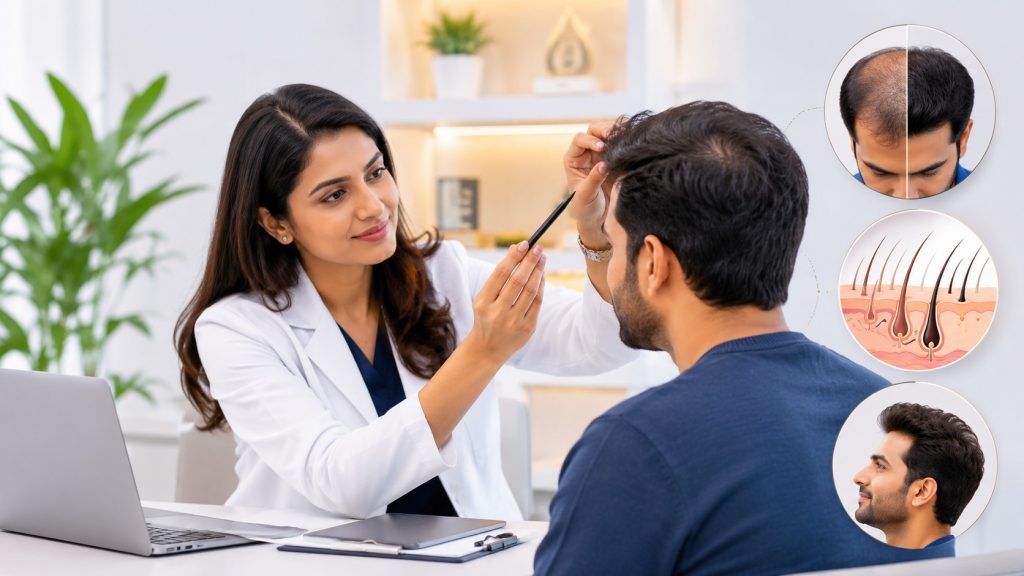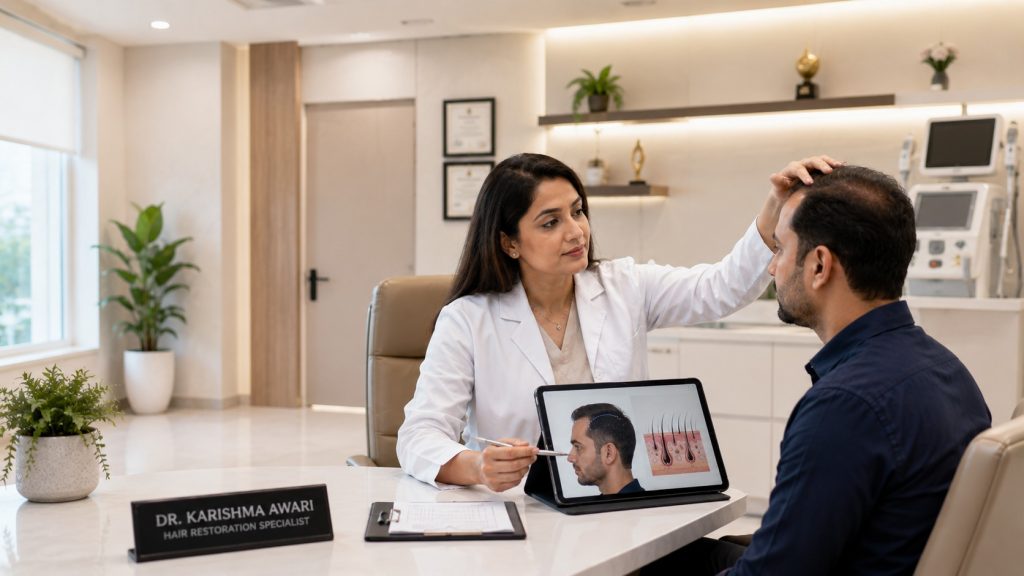
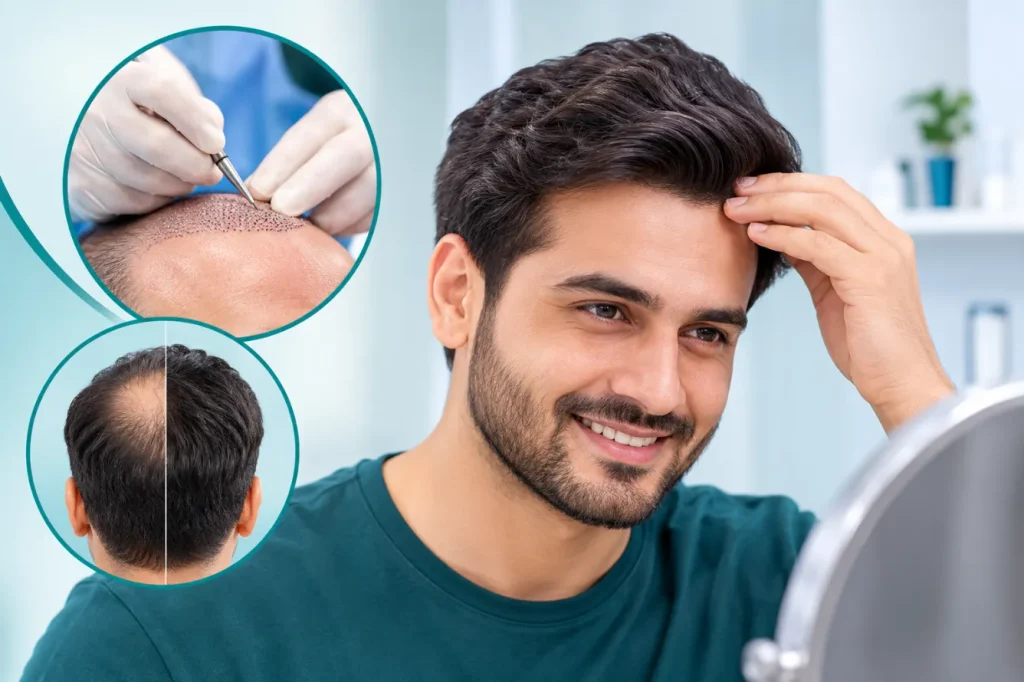
Hair loss is no longer a problem that people simply accept. With advanced techniques like FUE, DHI and PRP-assisted care, modern hair restoration is safer, more natural-looking and far more predictable than it was a decade ago. If your hairline is receding or your crown is thinning, understanding your options early can save you time, money and confidence.
Pune has become a popular destination for hair restoration, and if you are searching for a trusted Hair Loss Treatment In Baner, it helps to know what actually works, what it costs and what to expect before you book a consultation.
Why Does Hair Loss Happen?
Most hair loss in men and women is genetic (androgenetic alopecia), but it is rarely the only cause. A proper diagnosis comes first, because the right treatment depends on what is driving the shedding. Common triggers include:
- Genetics and hormones: DHT sensitivity shrinks follicles over time, causing pattern baldness.
- Nutritional deficiencies: low iron, vitamin D, B12 and protein weaken hair growth.
- Stress and illness: major stress, fever or surgery can cause temporary shedding (telogen effluvium).
- Thyroid and PCOS: hormonal imbalances are a leading cause of thinning in women.
- Scalp problems: dandruff, fungal infection and poor scalp hygiene damage follicles.
- Lifestyle: smoking, crash diets, harsh styling and chemical treatments.
✨ Why Patients Choose Hair Transplant
Hairlines designed to match your face and age.
Most people return to routine work within days.
Follicles come from hair-loss-resistant donor areas.
FUE leaves tiny dot marks that are barely visible.
Stages of Hair Loss: Where Do You Stand?
Men are usually graded on the Norwood scale. In early stages (Norwood 1 to 2), medical therapy and PRP can slow the loss. From Norwood 3 onwards, with visible recession at the temples or a thinning crown, a transplant is often the most effective way to restore density. Women commonly notice a widening parting or overall reduced volume (Ludwig scale), and many are good candidates once the underlying cause is treated and the donor area is healthy.
Popular Hair Restoration Techniques
Your surgeon will recommend a method based on your degree of baldness, donor hair density and goals:
- FUE (Follicular Unit Extraction): individual grafts are extracted one by one, with no linear scar and quick healing.
- DHI (Direct Hair Implantation): grafts are implanted using a specialised pen, offering control over angle and density.
- PRP Therapy: platelet-rich plasma supports weak follicles and is often combined with transplant for better recovery.
- Medical Therapy: topical and oral treatments that slow down early thinning.
FUE vs DHI at a Glance
| Factor | FUE | DHI |
|---|---|---|
| Graft placement | Channels made, then grafts placed | Implanted directly with a pen |
| Best for | Larger bald areas, high graft needs | Hairline, density and smaller areas |
| Shaving | Usually required | Often needed in the donor area |
| Recovery | 7 to 10 days for scabs to settle | 7 to 10 days for scabs to settle |
What to Expect: Procedure and Recovery
A typical session takes 6 to 8 hours under local anaesthesia. Here is the usual timeline:
- Day 1 to 3: mild swelling and tightness; you rest and follow wash instructions.
- Day 7 to 10: scabs fall off and redness fades.
- Week 2 to 4: transplanted hairs shed (shock loss). This is normal.
- Month 3 to 4: new hair begins to grow.
- Month 8 to 12: visible density and final results.
🛍 Hair & Scalp Care Product Types by Perennial Brite Global LLC
Supportive care products that complement your treatment plan:
Lightweight topical formulas to nourish the scalp.
Gentle cleansing for sensitive and post-procedure scalps.
Moisture and strength for fragile strands.
Biotin and vitamin-based support from within.
What Affects the Cost of a Hair Transplant?
There is no single price, because every scalp is different. The main factors are:
- Number of grafts required to cover the bald area.
- Technique used (FUE, DHI or a combination).
- Surgeon’s experience and the quality of the clinic and equipment.
- Add-ons such as PRP and post-procedure care.
Be careful of unusually low quotes. Poor technique can waste limited donor hair, which cannot be replaced.
How to Choose the Right Hair Transplant Clinic
The surgeon matters more than the technology. Before you commit, check these points:
- Qualified dermatologist or hair transplant surgeon, with a verifiable track record.
- Real before-and-after photos and honest patient reviews.
- Transparent pricing with a clear graft count and no hidden charges.
- Hygienic, well-equipped operation theatre and structured aftercare.
- A surgeon who personally plans your hairline and tells you what is realistic.
📍 Meet an experienced Hair Transplant Surgeon In Baner at our clinic:
Common Hair Transplant Myths
- “It looks fake.” In skilled hands, the hairline is designed with irregular, natural angles.
- “It is only for men.” Women with thinning can be good candidates too.
- “I will be off work for weeks.” Most people resume routine work within a few days.
- “Shedding means failure.” Early shedding is part of the normal cycle.
Aftercare Tips for Better Growth
- Sleep with your head elevated for the first few nights.
- Avoid sun exposure, swimming, smoking and alcohol in the early weeks.
- Wash only as advised and never scratch the grafted area.
- Eat protein, iron and vitamin-rich foods, and attend every review visit.
- Avoid heavy workouts and helmets pressing on the grafts for the period your surgeon advises.
Frequently Asked Questions About Hair Transplant in Baner
How much does a hair transplant cost in Baner, Pune?
The hair transplant cost in Baner depends on the number of grafts, the technique and the surgeon’s expertise. Most clinics charge per graft, so the final figure is confirmed only after a scalp examination and graft estimate.
Is a hair transplant permanent?
Yes. Follicles taken from the back of the scalp resist hair-loss hormones, so a hair transplant in Baner gives lifelong results in most patients. Non-transplanted hair may still thin, so some people continue medical therapy.
Is hair transplant painful?
Local anaesthesia is used, so you feel only a slight pinch at the start. A good hair transplant clinic in Baner keeps you comfortable throughout, and any mild discomfort afterwards is managed with prescribed medication.
How long does a hair transplant take to show results?
New growth begins around 3 to 4 months, and full density is visible between 10 and 12 months. Patience matters after any hair transplant in Pune because the shedding phase is normal.
What is the success rate of hair transplant?
When performed by an experienced surgeon, the large majority of grafts survive and grow, commonly cited as 90% or more. Success depends on surgeon skill, donor quality and aftercare, so choose the best hair transplant clinic in Baner based on proven results, not price alone.
Which is better: FUE or DHI hair transplant?
Neither is better for everyone. FUE suits larger areas, while DHI offers precise control for hairlines and density. Your surgeon will suggest the right method for hair transplant in Baner after assessing your scalp.
Who is a good candidate for hair transplant?
Adults with stable hair loss and enough healthy donor hair are the best candidates. A consultation for hair transplant in Baner includes a scalp analysis to confirm whether you are suitable.
Are there any side effects of hair transplant?
Temporary swelling, redness, scabbing and shock loss are common and settle on their own. Serious complications are uncommon when the procedure is done by a qualified surgeon at a hygienic hair transplant clinic in Baner.
Can women get a hair transplant?
Yes. Women with thinning or a widening parting can be good candidates once the underlying cause, such as thyroid or hormonal issues, is treated. Ask for a personalised plan for hair transplant in Pune.
How many days of rest are needed after a hair transplant?
Most people resume desk work within 2 to 3 days, while heavy exercise and sun exposure should be avoided for the period advised. Your hair transplant surgeon in Pune will give you a personalised recovery plan.
Final Takeaway
Hair restoration works best when you act early, choose an experienced surgeon and follow aftercare carefully. Treatments are personalised, so a proper consultation is the smartest first step. If you want lasting, natural-looking density, consider a Permanent Hair Transplant In Baner planned by specialists.
Ready to Get Your Hair Back?
Book your consultation with our experts and get a personalised treatment plan.