Between deadlines, classes, commutes and family responsibilities, a woman’s own health usually slips to the bottom of the list. A painful period gets managed with a tablet, an irregular cycle is blamed on stress and an appointment is postponed until the problem can no longer be ignored. Nobody has hours to spare, but a few informed habits and the right checkups can save a great deal of discomfort later.
This guide is written for women who are short on time. It covers how work and stress affect your hormones, how to handle painful periods and PMS, what to expect when you are pregnant while working, and how to recover after delivery. It also helps you choose the Best Gynaecologist in Shivajinagar, so that the time you do spend on your health counts.
How Work, Stress and Sleep Affect Your Hormones
Your menstrual cycle is a sensitive reflection of overall wellbeing. Long hours, poor sleep, skipped meals and constant pressure can all send signals that delay ovulation or disturb periods. Common effects include:
- Late, missed or unusually irregular periods
- Worse PMS, with more bloating, headaches and mood swings
- Acne flares and fatigue that does not lift with rest
- Recurrent urinary infections from long stretches without water or breaks
Small fixes help: regular meals, a water bottle on your desk, short walking breaks, a consistent bedtime and not delaying toilet breaks. If your cycles stay irregular for more than three months, do not just blame stress. PCOS and thyroid problems are common and treatable.
Your Five-Minute Monthly Health Check
Track your cycle
- Start date, length and flow of each period
- Pain, mood or sleep changes through the month
- Any spotting between periods
Know your breasts
- Look and feel for lumps, dimpling or skin changes
- Note nipple discharge or persistent pain
- Report anything new rather than waiting
Painful Periods and PMS: What Helps and What Needs a Doctor
Some discomfort before and during periods is common, but disruptive pain is not something you simply have to tolerate.
- Self-care that helps: heat packs, light exercise such as walking or yoga, enough water, less caffeine and salt, and regular sleep.
- PMS: mild to moderate bloating, tiredness, breast tenderness and mood changes in the week before a period.
- PMDD: a severe form with intense low mood, anxiety or irritability that interferes with work or relationships. It is a recognised condition and responds to treatment.
- See a gynecologist if pain is severe, keeps worsening, causes missed days of work or comes with very heavy bleeding, since conditions like endometriosis and fibroids are often behind it.
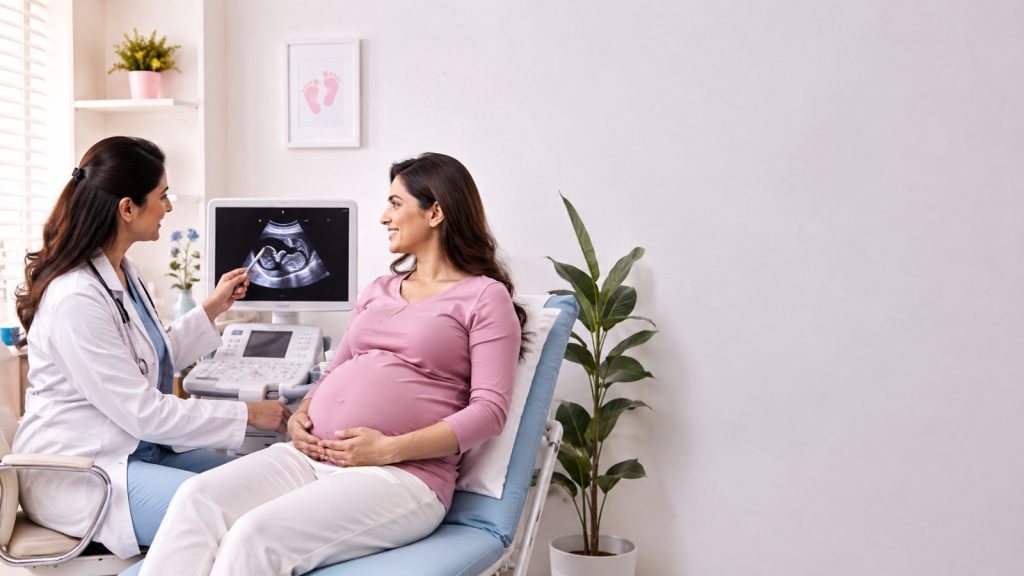
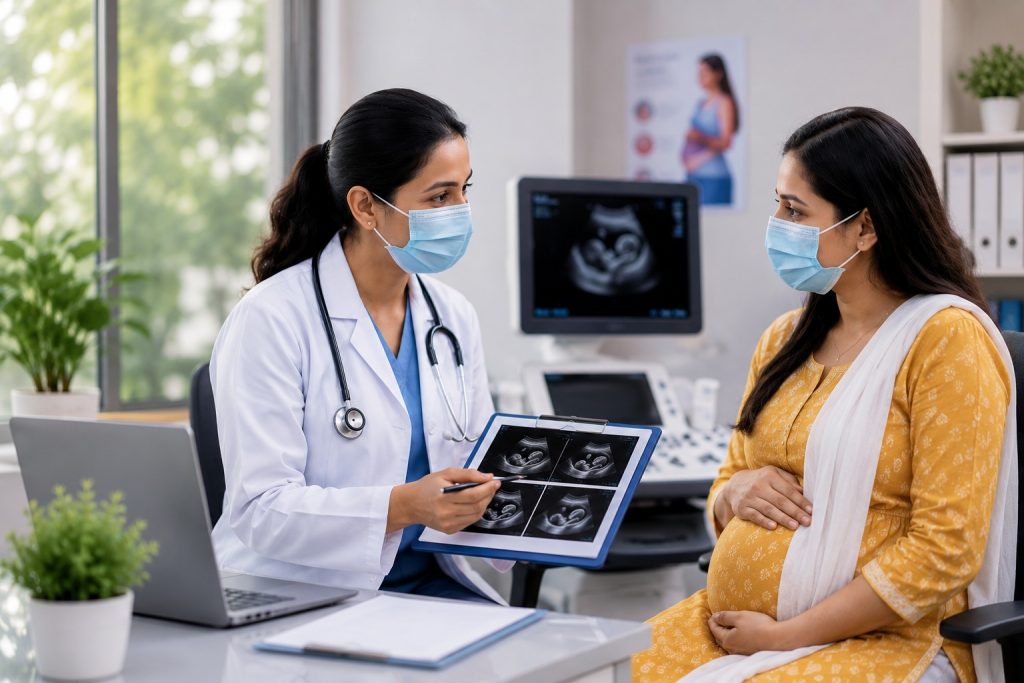
Working Through Pregnancy
Most women with uncomplicated pregnancies can keep working, with a few sensible adjustments:
- Take short breaks to walk, stretch and change position, and avoid long hours of standing or heavy lifting.
- Keep water and small snacks at your desk, which helps nausea and energy.
- Tell your doctor about your job, including shift work, travel and any chemical or heavy physical exposure.
- Schedule antenatal appointments and scans in advance so they do not clash with work.
- Check your employer’s maternity leave policy early and plan your handover calmly.
Pregnancy Discomforts: Normal or Not?
| Discomfort | What often helps | Call your doctor if |
|---|---|---|
| Nausea and vomiting | Small frequent meals, ginger, fluids, rest | You cannot keep fluids down or you feel dizzy and are losing weight |
| Back pain | Good posture, supportive seating, gentle stretching | Pain is severe, rhythmic or comes with bleeding |
| Heartburn | Smaller meals, avoiding spicy food and lying down right after eating | It is persistent or comes with severe upper abdominal pain |
| Leg cramps | Calf stretches, hydration, gentle walking | One leg is swollen, red, warm or very painful |
| Swelling of feet | Resting with legs raised, comfortable footwear | Sudden swelling of the face or hands, or a severe headache with blurred vision |
Recovering After Delivery
Recovery is not over when you leave the hospital. Plan for these steps:
- Postpartum checkup: usually around six weeks, to review healing, bleeding, mood, contraception and any problems.
- Warning signs: heavy bleeding, fever, foul discharge, severe pain or a wound that is red or leaking need prompt attention.
- Pelvic floor and gentle movement: walking and pelvic floor exercises can start early after an uncomplicated delivery, with strenuous exercise only after clearance.
- Mood: baby blues in the first two weeks are common. Sadness, anxiety or hopelessness that lasts longer, or any thought of harming yourself or the baby, needs professional help straight away.
- Nutrition and rest: protein, iron, fluids and sleep whenever possible, with help from family so you are not carrying everything alone.
- Contraception: discuss options before intercourse resumes, as you can conceive before your periods return.
Urinary and Intimate Health on a Busy Schedule
- Drink enough water through the day and do not hold urine for hours.
- Pass urine after intercourse and wipe front to back.
- Choose breathable cotton underwear and change out of damp clothes promptly after workouts.
- Avoid douching and perfumed intimate products.
- See a doctor for burning urination, unusual discharge or itching rather than self-medicating.
How to Choose the Best Gynaecologist in Shivajinagar
When time is limited, convenience and trust matter as much as credentials. Look for:
- Easy access: a central location and clear appointment timings that fit around work and family.
- Respect for your time: organised scheduling and a doctor who gives a full consultation without rushing.
- One doctor for many stages: care that covers periods, pregnancy, postpartum recovery and later life, so your history stays in one place.
- Judgement-free communication: comfort discussing sensitive topics openly.
- Clear plans: an explanation of your diagnosis, options and follow-up, with no unnecessary tests or procedures.
Why Patients Trust Dr. Avinash Phadnis
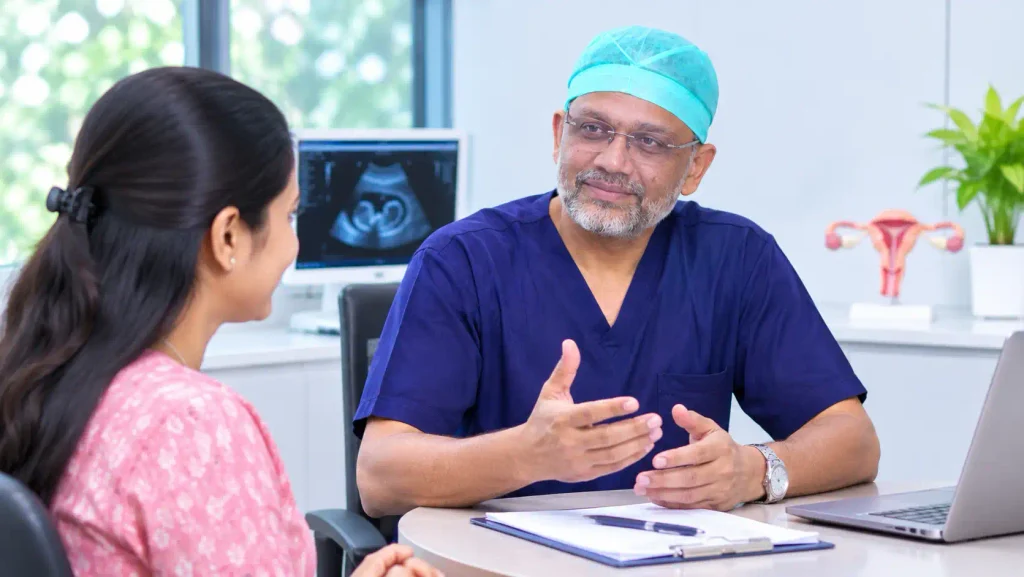
Dr. Avinash Phadnis is known for patient, unhurried consultations in which every concern is heard and explained in plain language. Women appreciate the way sensitive topics are handled with respect, and the way treatment options are laid out clearly so each patient can decide what fits her health, schedule and priorities.
His practice covers general gynecology, pregnancy care and fertility treatment, which allows continuity from a first period problem to a planned pregnancy and the recovery that follows. It is this long-term, personal approach that leads many women to describe him as the Best Gynecologist in Pune Shivajinagar for dependable, honest care.
Final Takeaway
Looking after your health does not need hours of free time. It needs awareness of your body, a few regular habits, prompt attention to warning signs and a doctor you trust. Track your cycle, take pain and mood changes seriously, plan your pregnancy and recovery with support and never feel guilty about putting your health first.
If you are expecting or planning a pregnancy, consult the Best Gynecologist in Shivajinagar for Pregnancy and begin your journey with expert, caring guidance.
Book Your Consultation with Dr. Avinash Phadnis
Book AppointmentFrequently Asked Questions
Can long working hours and stress affect my periods?
Yes. Chronic stress, irregular sleep, skipped meals and sudden weight change can delay or disturb periods. If your cycles stay irregular for more than three months, a check for PCOS or thyroid problems is advised.
What is the difference between PMS and PMDD?
PMS causes mild to moderate bloating, tiredness and mood changes before a period. PMDD is a severe form, with intense low mood, anxiety or irritability that disrupts work and relationships. Both can be treated, so speak to a gynecologist if symptoms affect daily life.
How can I manage painful periods at work or college?
Heat packs, light movement, hydration and doctor-advised pain relief often help. If pain is severe, keeps getting worse or forces you to miss work, get evaluated for causes such as endometriosis.
Is it safe to work throughout pregnancy?
In an uncomplicated pregnancy, most women can continue working with adjustments such as regular breaks, hydration and avoiding heavy lifting or long periods of standing. Discuss your job and any complications with your doctor.
Is morning sickness harmful to the baby?
Usually not. Nausea and vomiting are common in early pregnancy. Seek medical help if you cannot keep fluids down, are losing weight or feel dizzy, as you may need treatment.
What is the difference between baby blues and postpartum depression?
Baby blues cause tearfulness and mood swings in the first days after delivery and settle within about two weeks. Postpartum depression is longer-lasting and more severe, and needs professional support, especially if you feel hopeless or have thoughts of harming yourself or the baby.
When can I resume exercise after delivery?
Gentle walking and pelvic floor exercises can often begin early after an uncomplicated delivery. Wait for your doctor’s clearance before strenuous exercise, usually at the postpartum checkup, and longer after a cesarean.
How can I reduce my risk of urinary infections?
Drink enough water, do not hold urine for long hours, pass urine after intercourse, wipe front to back and wear breathable cotton underwear. See a doctor if you have burning, urgency or fever.
How can I book an appointment with Dr. Avinash Phadnis?
Use the Book Appointment button above to open the clinic’s Google Business profile, where you can call or get directions and choose a convenient time.