Living with persistent pain can affect much more than your physical comfort. Back pain can make sitting or sleeping difficult. Knee pain can limit walking and exercise. Neck pain can interfere with work, while chronic joint or nerve pain may gradually affect your confidence and daily routine.
The good news is that surgery is not automatically the first answer for every pain condition. Depending on the cause, severity and duration of pain, a combination of physical rehabilitation, lifestyle measures, medicines and other appropriate pain-management approaches may help reduce pain and improve function. The World Health Organization specifically recommends a range of non-surgical approaches for chronic primary low back pain, including education, exercise, physical therapies, psychological approaches and appropriate medicines.
If you are searching for Non-Surgical Pain Treatment in Baner, the first step should not be choosing a procedure. It should be understanding why you have pain and what treatment is appropriate for your specific condition.
A consultation with a Pain Management Doctor in Baner can help identify the nature of your pain and develop a personalized plan focused on pain relief, movement and quality of life.
What Is Non-Surgical Pain Treatment?
Non-surgical pain treatment refers to medical and supportive approaches used to manage pain without immediately relying on surgery. The treatment depends on the underlying cause, type and duration of pain.
Pain may be:
- Acute and short-term
- Subacute
- Chronic or recurring
- Musculoskeletal
- Nerve-related
- Joint-related
- Spine-related
- Headache or migraine-related
- Cancer-related
- Post-operative
Chronic pain is generally defined as pain lasting or recurring for more than three months. NICE recommends a person-centred assessment that considers both the possible cause of pain and how it affects the person’s daily life.
This is why effective pain management is not simply about taking a painkiller whenever symptoms appear.
The objective is to understand the problem and create a treatment strategy that may help you reduce pain, restore movement and improve function.
Why Consider Non-Surgical Pain Treatment in Baner?
Many patients delay consultation because they assume that persistent pain will eventually disappear or that the only alternative is surgery.
Neither assumption is necessarily correct.
Depending on the diagnosis, non-surgical treatment may be appropriate for conditions such as:
- Chronic back pain
- Neck pain
- Sciatica
- Knee pain
- Joint pain
- Arthritis-related pain
- Shoulder pain
- Frozen shoulder
- Muscle pain
- Nerve pain
- Certain headache and migraine conditions
- Some sports-related injuries
- Certain post-operative pain conditions
For chronic low back pain, WHO recommends a holistic, person-centred approach rather than relying on a single intervention.
Common Non-Surgical Pain Treatment Options
There is no single treatment that works for every type of pain. Your treatment plan should be based on your diagnosis, symptoms, medical history and functional goals.
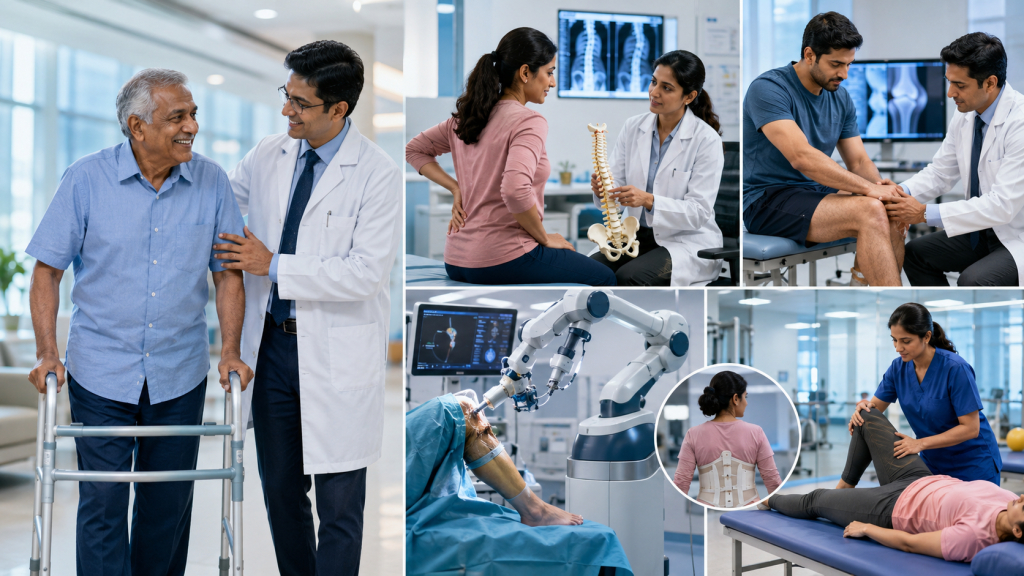
1. Exercise and Physical Rehabilitation
Appropriate physical activity can be an important part of managing many chronic pain conditions.
Depending on the condition, rehabilitation may focus on:
- Strengthening
- Flexibility
- Mobility
- Posture
- Balance
- Core stability
- Functional movement
For chronic primary pain, NICE recommends supervised exercise programmes and encourages continued physical activity according to the person’s abilities and needs.
The key is not simply “exercise more.” The right exercises need to match the patient’s condition.
2. Medicines When Appropriate
Medication may be part of a pain-management plan for selected patients.
The choice depends on factors such as:
- Type of pain
- Duration of symptoms
- Age
- Existing medical conditions
- Other medicines being taken
- Kidney, liver or gastrointestinal risks
- Potential side effects
For subacute and chronic pain, CDC guidance recommends maximizing appropriate non-pharmacological and non-opioid treatments and considering the risks and benefits of medications for the individual patient.
Patients should not start, stop or change prescription pain medicines without discussing this with their doctor.
3. Nerve-Related Pain Management
Not all pain comes from muscles or joints.
Nerve-related pain may feel like:
- Burning
- Electric-shock sensations
- Tingling
- Pins and needles
- Numbness
- Shooting pain
- Pain travelling down an arm or leg
Conditions such as sciatica, nerve compression and some neuropathic pain disorders may require a different treatment approach from ordinary muscle soreness.
A Pain Relief Specialist in Baner can assess whether the symptoms suggest a nerve-related component and determine whether further evaluation or targeted treatment is appropriate.
4. Targeted Pain Procedures
In selected patients, a pain specialist may consider minimally invasive or image-guided procedures as part of a broader treatment plan.
Depending on the diagnosis, these can include procedures such as:
- Nerve blocks
- Trigger-point procedures
- Selected spinal injections
- Facet-related interventions
- Image-guided procedures
These treatments are not appropriate for everyone. The decision should follow clinical assessment and consideration of the potential benefits, risks and alternatives.
The goal should be targeted treatment—not simply performing a procedure because pain exists.
Non-Surgical Treatment for Back Pain
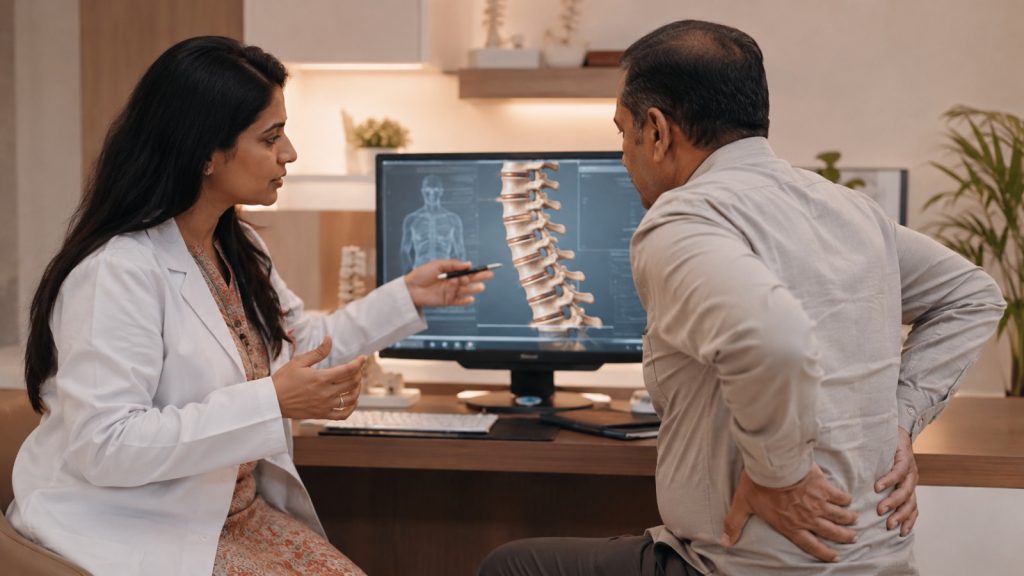
Back pain is one of the most common reasons people search for a Pain Management Doctor in Baner.
Back pain may arise from several different causes, including:
- Muscle strain
- Disc-related problems
- Facet joint problems
- Nerve irritation
- Poor movement patterns
- Degenerative changes
- Certain inflammatory conditions
Treatment therefore needs to be individualized.
For chronic primary low back pain, WHO recommends approaches that can include education, exercise, some physical therapies, psychological approaches and appropriate medication.
If back pain is accompanied by significant weakness, progressive numbness, bowel or bladder changes, fever, unexplained weight loss, major trauma or other concerning symptoms, medical evaluation should not be delayed.
Non-Surgical Treatment for Neck Pain
Neck pain can develop because of muscle strain, prolonged posture, cervical spine problems, nerve irritation or other conditions.
Common symptoms include:
- Neck stiffness
- Pain while turning the head
- Shoulder or upper-back discomfort
- Headache associated with neck problems
- Pain travelling into the arm
- Tingling or numbness
Treatment may involve activity modification, rehabilitation, medicines when appropriate and targeted pain-management strategies depending on the underlying cause.
If neck pain is persistent, recurrent or associated with neurological symptoms, a professional assessment is advisable.
Non-Surgical Treatment for Knee and Joint Pain
Knee and joint pain can interfere with walking, climbing stairs, exercising and even everyday activities.
Possible causes include:
- Osteoarthritis
- Overuse
- Previous injury
- Tendon or ligament problems
- Inflammation
- Muscle weakness
- Biomechanical issues
Treatment may involve exercise therapy, weight management where appropriate, activity modification, medication and other interventions depending on the diagnosis.
CDC guidance lists exercise therapy among non-invasive approaches that may be used for conditions including knee or hip osteoarthritis.
A pain specialist can help determine whether pain is primarily coming from a joint, surrounding soft tissue or another source.
Can Chronic Pain Be Treated Without Surgery?
Yes, many chronic pain conditions can be managed without surgery, but the appropriate treatment depends on the diagnosis.
Non-surgical management may include:
- Patient education
- Exercise and rehabilitation
- Lifestyle modification
- Appropriate medication
- Psychological approaches where relevant
- Targeted minimally invasive procedures in selected patients
- Ongoing monitoring and adjustment
There is no universal treatment plan for chronic pain. NICE emphasizes individualized assessment and shared decision-making when developing a chronic pain care plan.
When Should You See a Pain Management Doctor in Baner?
You should consider professional evaluation when pain:
- Continues for several weeks
- Keeps returning
- Interferes with sleep
- Limits walking or movement
- Makes work difficult
- Requires frequent self-medication
- Causes numbness or tingling
- Travels down an arm or leg
- Is affecting your quality of life
- Has not improved with basic measures
A Pain Management Doctor in Baner can help determine whether the pain requires conservative management, further investigation, rehabilitation, medication or a targeted intervention.
What Happens During a Pain Management Consultation?
A good pain consultation starts with assessment rather than immediately recommending a procedure.
Step 1: Understand Your Pain
The doctor may ask:
- Where is the pain?
- When did it start?
- Is it constant or intermittent?
- What makes it worse?
- What makes it better?
- Does it travel anywhere?
- Does it affect sleep?
- Does it limit daily activities?
Step 2: Review Your Medical History
Previous injuries, surgeries, illnesses, medications and previous treatments can all influence the management plan.
Step 3: Clinical Examination
The examination may assess movement, strength, sensation, tenderness and other relevant findings.
Step 4: Review Investigations
Depending on the symptoms, existing reports or additional investigations may be considered.
Step 5: Create an Individualized Plan
The treatment plan may combine several approaches rather than relying on one treatment.
This patient-centred model is consistent with NICE recommendations for chronic pain assessment and shared decision-making.
Non-Surgical Pain Treatment vs Surgery
| Non-Surgical Pain Management | Surgery |
| Often considered before surgery when clinically appropriate | Used when surgery is medically indicated |
| May involve rehabilitation and medicines | Involves an operative procedure |
| Can include selected minimally invasive interventions | Usually requires greater procedural recovery |
| Treatment depends on diagnosis | Appropriate only for specific surgical conditions |
| Focuses on pain, function and quality of life | May address structural problems requiring surgery |
The choice should not be based on which option sounds easier. It should be based on the diagnosis, clinical findings, expected benefits, risks and the patient’s goals.
Why Personalized Pain Management Matters
Two people can have “back pain” but completely different causes.
One person may have muscular pain after prolonged sitting. Another may have nerve-related symptoms. Someone else may have degenerative changes or a different underlying condition.
Treating all three patients in exactly the same way would make little clinical sense.
That is why modern pain management focuses on:
- Accurate assessment
- Identifying contributing factors
- Patient education
- Individualized treatment
- Functional improvement
- Follow-up
- Shared decision-making
The aim is not simply to make a pain score smaller. The broader goal is to help the patient move better and participate more fully in everyday life.
Why Choose Dr. Priya Lahane for Pain Management in Baner?
Dr. Priya Lahane Saoji is a Consultant Pain Physician and Interventional Pain Specialist with qualifications listed by her clinic as MBBS, MD Anaesthesiology, DNB, FIPM and FIRA. Her Baner clinic describes its focus as personalized, evidence-based pain management for conditions including back, knee, neck, shoulder and joint pain.
Her practice also describes minimally invasive pain interventions and individualized treatment plans as part of its approach.
The clinic is located at 602, 6th Floor, SK Business Park, Above Benecare Hospital, Opposite ABZ, Baner, Pune – 411045.
For patients searching for Non-Surgical Pain Treatment Baner, the priority should be a proper diagnosis and a treatment plan suited to the individual’s condition—not a promise of instant or permanent pain relief.
Key Takeaways
- Non-Surgical Pain Treatment in Baner may be appropriate for many chronic and recurring pain conditions.
- Treatment should be based on the cause and type of pain.
- Back, neck, knee, joint, muscle and nerve pain may require different approaches.
- Exercise and rehabilitation can play an important role in many chronic pain conditions.
- Medicines should be selected according to the patient’s individual risks and needs.
- Selected patients may benefit from targeted minimally invasive pain procedures.
- Persistent or recurring pain should not simply be ignored.
- A Pain Management Doctor in Baner can help evaluate the problem and develop an individualized treatment strategy.
FAQ-Non-Surgical Pain Treatment Baner
1. What is non-surgical pain treatment?
Non-surgical pain treatment includes approaches used to manage pain without surgery, such as rehabilitation, exercise, appropriate medicines, lifestyle measures and selected minimally invasive procedures.
2. Is non-surgical pain treatment effective for back pain?
It can be effective for many types of back pain, depending on the underlying cause. WHO recommends several non-surgical approaches for chronic primary low back pain.
3. When should I see a Pain Management Doctor in Baner?
Consider consultation if pain persists, repeatedly returns, affects sleep or daily activities, or is associated with symptoms such as numbness, tingling or radiating pain.
4. Can knee pain be treated without surgery?
Some causes of knee pain can be managed without surgery. Treatment depends on the diagnosis and may include exercise, rehabilitation, medication and other appropriate approaches.
5. Can chronic neck pain be treated without surgery?
Many causes of neck pain can initially be managed using non-surgical approaches. Persistent or neurological symptoms require professional evaluation.
6. What does a Pain Relief Specialist do?
A pain specialist evaluates the type and cause of pain and develops a treatment plan designed to reduce pain and improve function.
7. Is every chronic pain patient a candidate for an injection?
No. Injections and other procedures are appropriate only for selected patients after clinical assessment.
8. What is the difference between a pain specialist and an orthopedic doctor?
An orthopedic doctor focuses on musculoskeletal and structural conditions, while a pain physician specializes in evaluating and managing pain using medical, rehabilitative and selected interventional approaches. Some patients may benefit from care involving both specialties.
9. Can nerve pain be treated without surgery?
Some nerve-related pain conditions can be managed without surgery. The correct treatment depends on the cause, severity and neurological findings.
10. How long does chronic pain last?
Chronic pain is commonly defined as pain lasting or recurring for more than three months.
11. Should I continue exercising when I have chronic pain?
The appropriate activity level depends on the condition. Many chronic pain guidelines support appropriate physical activity, but exercises should be adapted to the individual’s abilities and medical situation.
12. Where can I find non-surgical pain treatment in Baner?
Patients looking for Non-Surgical Pain Treatment in Baner can consult Dr. Priya Lahane Saoji at Step Ahead Clinic in Baner for assessment and personalized pain-management options.