If your legs feel heavy, achy, or you’ve noticed bulging, twisted veins that get worse by the end of the day, you’re not alone — varicose veins are one of the most common vein conditions affecting adults today. The good news is that effective, minimally invasive treatment is now available close to home, and consulting a trusted Varicose vein specialist in Baner means you don’t have to live with the discomfort or self-consciousness these veins can cause. In this guide, we’ll walk through why varicose veins develop, how to recognize them early, the treatment options available today, and how to choose the right clinic for your care.
What Are Varicose Veins?
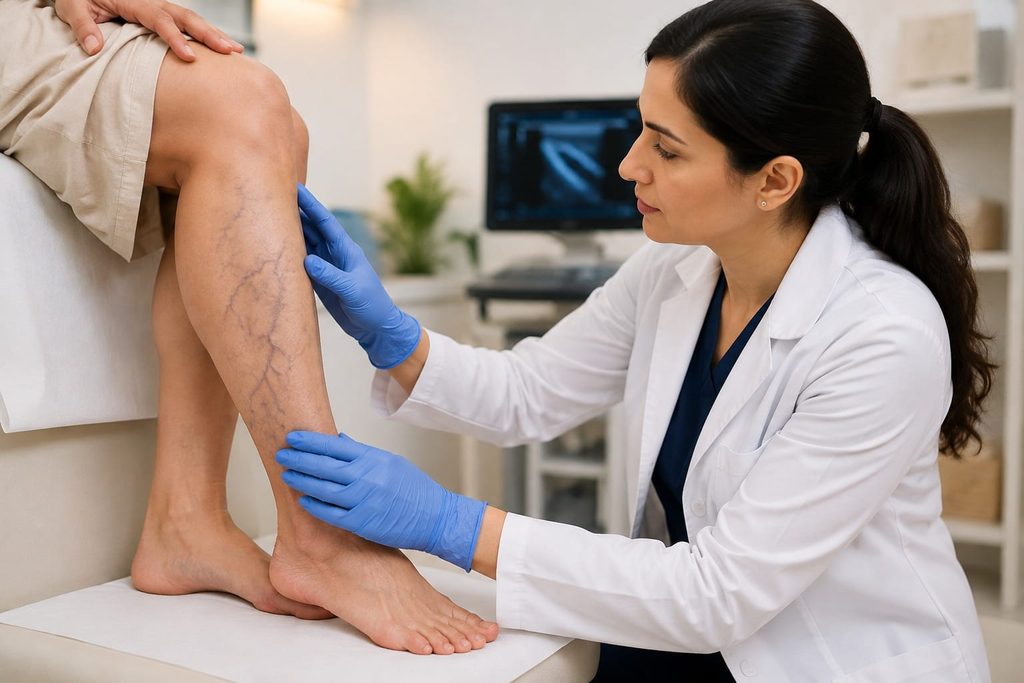
Varicose veins are swollen, twisted veins that usually appear just under the surface of the skin, most often on the legs and feet. They develop when the valves inside your veins weaken or become damaged, causing blood to pool instead of flowing efficiently back to the heart. Over time, this pooling stretches the vein walls, creating the bulging, rope-like appearance many people recognize.
While varicose veins are often considered a cosmetic concern, they can also signal an underlying issue with vein function called venous insufficiency — and left untreated, they can lead to more serious complications.
Common Causes of Varicose Veins
- Prolonged standing or sitting — jobs that keep you on your feet or seated for long hours put extra pressure on leg veins.
- Genetics — a family history of varicose veins significantly raises your own risk.
- Age-related wear — vein valves naturally weaken over time.
- Pregnancy and hormonal changes — increased blood volume and hormonal shifts can weaken vein walls.
- Obesity — extra body weight adds pressure on the venous system.
- Sedentary lifestyle — lack of movement reduces healthy blood circulation.
Symptoms You Shouldn’t Ignore
Visible Changes
Bulging, twisted, blue or purple veins visible under the skin, usually on the calves and thighs.
Physical Discomfort
Aching, throbbing, heaviness, or a burning sensation, especially after standing for long periods.
Swelling
Mild to moderate swelling around the ankles and lower legs by the end of the day.
Skin Changes
Itching, dryness, or discoloration near the affected veins in more advanced cases.
Modern Treatment Options
Treatment has come a long way from traditional vein-stripping surgery. Today’s approaches are minimally invasive, performed as day-care procedures, and involve much shorter recovery times.
1. Endovenous Laser Ablation (EVLA)
A thin laser fiber is inserted into the affected vein to seal it shut from the inside, redirecting blood flow to healthy veins nearby. It’s done under local anesthesia with minimal downtime.
2. Radiofrequency Ablation (RFA)
Similar to laser treatment, RFA uses heat generated by radiofrequency energy to close off the problematic vein. It’s known for being gentle with a quick recovery period.
3. Sclerotherapy
A solution is injected directly into smaller varicose or spider veins, causing them to collapse and fade over time. This works especially well for surface-level veins.
4. Compression Therapy
Often used alongside other treatments or for milder cases, compression stockings improve circulation and reduce symptoms like swelling and heaviness.
How to Choose the Right Varicose Veins Surgery in Baner
Not all vein clinics offer the same level of expertise or technology, so it’s worth doing a bit of homework before you commit to a treatment plan. Here’s what to look for:
- Specialist qualifications — look for a vascular surgeon or vein specialist with specific experience in endovenous procedures.
- Diagnostic technology — a proper duplex ultrasound scan should be done before any treatment recommendation.
- Range of treatment options — a good clinic offers multiple approaches (laser, RFA, sclerotherapy) rather than pushing one method for everyone.
- Transparent pricing — clear cost breakdowns with no hidden charges.
- Patient reviews and before/after results — genuine testimonials give insight into real outcomes.
- Convenient location and follow-up care — accessible clinics in Baner make follow-up visits far easier to manage.
Ready to Get Rid of Varicose Veins for Good?
Book a consultation and get a personalized treatment plan from an experienced vein specialist in Baner.
Book Your ConsultationFinal Takeaway
Varicose veins are more than a cosmetic issue — they’re a sign that your veins need attention. The earlier you address the symptoms, the simpler and more effective your treatment is likely to be. With modern, minimally invasive options available and quick recovery times, there’s no reason to keep living with heavy, aching legs. If you’re ready to take the next step, book a Varicose veins surgery in Baner consultation to get an accurate diagnosis and a treatment plan suited to your needs.