
Heart problems rarely arrive with a loud warning. Sometimes it is a little breathlessness on the stairs, a flutter in the chest or swelling around the ankles that people ignore for months. A timely scan can turn that uncertainty into clear answers, and that is exactly where an echocardiogram helps. In this guide, we explain the test in plain language so you know what to expect.
If your doctor has suggested a 2D Echo Test in Shivaji Nagar, you probably have questions about how it works, whether it hurts and how to prepare. The good news is that the scan is safe, quick and does not involve any injection or radiation. It uses sound waves to show your heart in motion, giving your doctor real-time information about its structure and pumping strength. Read on to understand the whole process step by step.
Quick Highlights You Should Know
- Painless: No needles, no cuts and no radiation exposure.
- Fast: The scan usually takes around 20 to 30 minutes.
- Detailed: Shows heart chambers, valves, walls and blood flow in motion.
- Repeatable: Safe to repeat whenever your doctor wants to track progress.
- Helpful early: Can reveal problems before they become serious.
What Is a 2D Echo Test?
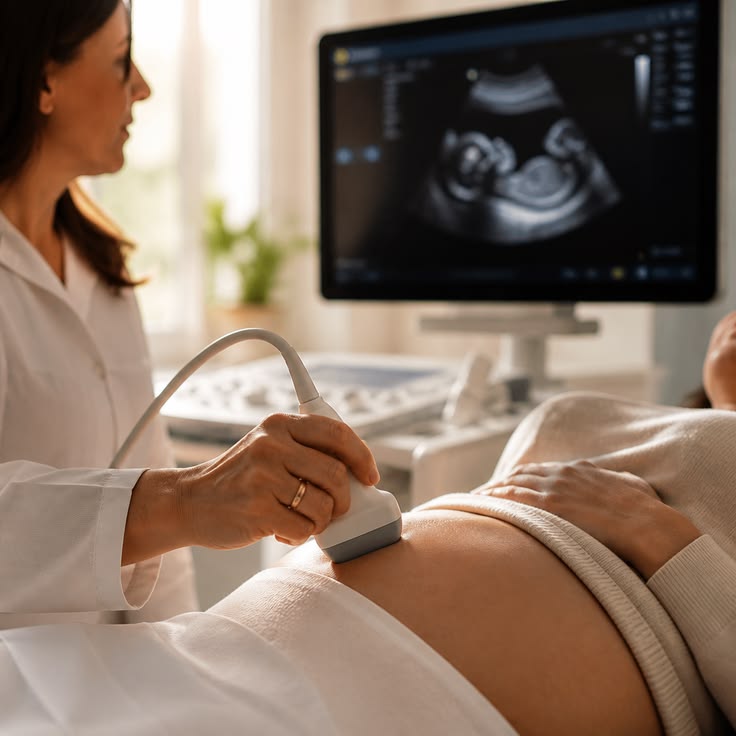
A 2D echo, short for two-dimensional echocardiography, is an ultrasound scan of the heart. A small handheld probe, called a transducer, sends high-frequency sound waves into the chest. These waves bounce back from the heart’s structures, and a computer turns them into live, moving images on a screen. Unlike an X-ray, there is no radiation involved, which is why the test is considered very safe for adults and children alike.
The images help the doctor see how the four chambers of the heart are working together. They also show how the valves open and close, how thick the heart muscle is and how efficiently blood is being pumped out with every beat. Often a Doppler study is combined with the scan to examine the speed and direction of blood flow, which can point towards leaking or narrowed valves.
When Might a Doctor Recommend It?
A 2D echo is not only for people who have already had a heart attack. It is used in many situations, from routine evaluation to follow-up care. Your doctor may advise it if you have any of the following:
- Chest pain, pressure or discomfort that keeps coming back
- Shortness of breath during routine activity or while lying flat
- Swelling in the feet, ankles or legs
- Palpitations, dizziness or episodes of fainting
- A heart murmur heard during a check-up
- Long-standing high blood pressure or diabetes
- A family history of heart disease or sudden cardiac events
- Evaluation before a major surgery or after a heart attack
It is also commonly used to monitor patients already diagnosed with a heart condition, to see whether treatment is working. Please remember that symptoms can have many causes, and only a qualified doctor can say whether this scan is right for you.
What Can the Scan Detect?
Heart Pumping Strength
Measures the ejection fraction, which tells how much blood the heart pushes out with each beat.
Valve Problems
Helps identify leaking, narrowed or stiff valves that may disturb normal blood flow.
Wall and Chamber Changes
Shows enlarged chambers, thickened walls or areas of the muscle that move poorly.
Fluid Around the Heart
Can spot fluid collection in the sac around the heart that needs medical attention.
Congenital Defects
Assists in finding holes or structural differences in the heart present since birth.
Clots and Masses
May reveal abnormal growths or clots inside the heart chambers.
How Is the Test Performed?
Many people feel nervous before their first scan, but the procedure is simple and relaxed. Here is what usually happens:
- You are asked to remove clothing from the upper body and wear a gown or cover.
- You lie on your left side on the examination couch, which brings the heart closer to the chest wall.
- A water-based gel is applied to the chest so the probe can glide smoothly and capture clear images.
- The technician moves the probe across different areas of the chest and may ask you to hold your breath briefly.
- You may hear whooshing sounds during the Doppler part of the study; this is just blood flow being recorded.
- Once finished, the gel is wiped off and you can dress and carry on with your day.
There is no recovery time. Most people return to normal activities immediately after the scan, and the report is shared with you to show your doctor.
How to Prepare for Your Appointment
Simple Preparation Tips
- Wear a loose, comfortable two-piece outfit that opens easily at the chest.
- Continue regular medicines unless your doctor has told you otherwise.
- Carry your doctor’s prescription and any earlier ECG, echo or blood reports.
- Reach the centre a little early so you can relax before the scan.
- Tell the staff about chest pain, breathlessness or any discomfort you feel on the day.
- Ask questions freely; a calm patient gives clearer scan images.
Services Offered at Raghav Diagnostic Centre
Along with cardiac imaging, patients often need other tests recommended by their doctor. Raghav Diagnostic Centre offers a range of diagnostic services under one roof, so that you can complete your investigations without moving from place to place.
2D Echo with Doppler
Detailed heart imaging to study structure, valves, pumping function and blood flow.
Sonography
Ultrasound scans of the abdomen, pelvis and other body regions as advised by your doctor.
Digital X-Ray
Quick, clear imaging of the chest, bones and joints for diagnosis and follow-up.
Prescription-Based Scans
Tests performed on the advice of your physician, with prompt and clearly explained reports.
Patient Guidance
Friendly staff who explain the procedure, preparation and timing before you begin.
Convenient Location
Easy access in Shivaji Nagar, Pune, suitable for patients from nearby areas.
Please contact the centre directly to confirm the latest list of services, timings and availability before your visit.
Benefits of Getting Your Heart Checked on Time
- Early detection: Subtle changes in the heart can be found before they cause serious symptoms.
- Better treatment planning: Doctors can choose the right medicines or procedures based on accurate images.
- Peace of mind: A normal report can ease worry, while an abnormal one gives you time to act.
- Safe monitoring: Since there is no radiation, follow-up scans can be done as often as needed.
- Cost-effective: It is one of the most useful heart investigations for the value it provides.
How to Choose the Right 2D Echo Center in Shivaji Nagar
Not all diagnostic centres offer the same experience. Since the accuracy of an echo depends on the skill of the person performing it and the quality of the machine, it pays to choose carefully. Keep these points in mind:
- Experienced professionals: Look for qualified doctors and technicians who handle cardiac scans regularly.
- Modern equipment: Good machines give sharper images and more reliable measurements.
- Clear, timely reports: Reports should be easy to follow and delivered without long delays.
- Hygiene and comfort: A clean, calm space makes the experience easier, especially for elderly patients.
- Transparent pricing: You should know the charges before the test begins.
- Easy location: Convenient access and parking reduce stress on the day of the scan.
- Patient reviews: Honest feedback from other patients is a good indicator of service quality.
You can check the location, directions and patient reviews of a trusted 2D Echo Center in Shivaji Nagar on the map below.
Frequently Asked Questions (FAQs)
What is a 2D echo test and why is it done?
A 2D echo test is a painless ultrasound scan that creates moving pictures of your heart. It shows the size of the chambers, the thickness of the walls, the working of the valves and how well the heart pumps blood. Doctors advise it when they want a clear picture of heart function without any surgery or needles. At Raghav Diagnostic Centre, the scan is performed by trained staff and the report is prepared for your cardiologist or family doctor. It usually takes about 20 to 30 minutes.
Is the 2D echo test painful or risky?
No, the test is non-invasive and does not use radiation. A gel is applied on the chest and a small probe is moved gently over it to capture images. Most people feel only mild pressure from the probe and lie comfortably throughout. The scan can be repeated safely whenever your doctor needs to track changes. Raghav Diagnostic Centre follows a calm, patient-friendly process so that even first-time visitors feel at ease.
Do I need to fast or prepare before a 2D echo?
For a standard 2D echo, fasting is generally not required, and you can take your regular medicines unless your doctor says otherwise. Wear a loose, two-piece outfit that is easy to open at the chest. Carry your previous reports, prescriptions and any earlier echo or ECG films. If your doctor has advised a special type of echo, confirm the instructions in advance. The team at Raghav Diagnostic Centre will guide you before the scan if anything extra is needed.
Who should get a 2D echo done?
People with chest discomfort, breathlessness, swelling in the feet, palpitations or fainting spells are often advised this scan. It is also useful for those with high blood pressure, diabetes, a heart murmur or a family history of heart disease. Doctors also use it to check the heart before surgery or after a heart attack. Only your physician can decide if it suits your situation. You can discuss your symptoms with the staff at Raghav Diagnostic Centre while booking.
How long does it take to get the 2D echo report?
Most patients receive the report on the same day, soon after the scan is completed. The report lists measurements, valve findings and the pumping strength of the heart, often called ejection fraction. Please show it to your treating doctor, as only a physician can interpret it with your symptoms and history. Raghav Diagnostic Centre keeps the process smooth so you are not left waiting for long. Call ahead to confirm timings if you are travelling from a distance.
How do I book an appointment at Raghav Diagnostic Centre?
You can book by calling the centre or by visiting the contact page on the official website. Mention that you want a 2D echo so the team can allot a suitable time slot. Bring a valid ID and your doctor’s prescription if you have one. Raghav Diagnostic Centre is located in Shivaji Nagar, Pune, and is easy to reach by road or public transport. Walk-ins may be possible, but a prior booking helps you avoid waiting.
Final Takeaway
A heart scan does not have to be frightening. With a simple, painless procedure, you can learn how your heart is working and give your doctor the information needed to guide your care. If you have symptoms, risk factors or a doctor’s advice to get checked, do not delay the decision. Early attention often makes treatment simpler and recovery smoother.
If you are looking for a dependable 2D Echo in Shivaji Nagar, Raghav Diagnostic Centre offers a patient-friendly setup with clear reporting and caring staff. Many families also prefer to book a 2D Echo Scan in Shivaji Nagar here because the team explains each step and keeps the experience comfortable. Call the centre, confirm your appointment and take the first step towards a healthier heart today.
Disclaimer: This article is for general awareness only and is not a substitute for professional medical advice, diagnosis or treatment. Always consult a qualified doctor about your symptoms and test results.