
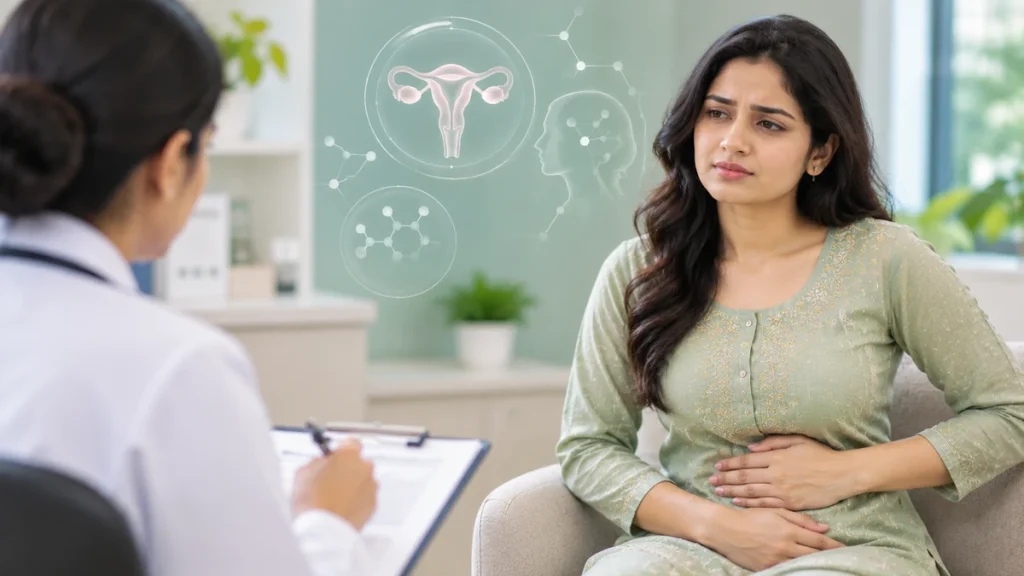
Hormones play an important role in a woman’s overall health. They regulate menstrual cycles, metabolism, sleep, mood, reproductive functions and even skin health. When hormone levels become unbalanced, the body may start showing changes that are easy to overlook or mistake for everyday stress and lifestyle problems.
Persistent irregular periods, unexplained weight changes, excessive hair growth or unusual fatigue may indicate an underlying hormonal concern. Consulting a Gynecologist In Ravet can help identify possible causes, recommend appropriate investigations and guide you towards suitable treatment. Understanding these warning signs early can make a difference to your long-term health.
Quick Overview: Hormonal Imbalance in Women
- Hormonal changes can affect periods, mood, skin and metabolism.
- Thyroid disorders and PCOS are common hormonal conditions.
- Stress, sleep and certain medical conditions can influence hormonal health.
- Blood tests and medical evaluation may help identify the underlying cause.
- Early diagnosis supports appropriate treatment and monitoring.
What Is Hormonal Imbalance?
Hormonal imbalance occurs when the body produces too much or too little of certain hormones, or when the body does not respond to them properly. Hormones such as oestrogen, progesterone, testosterone, insulin and thyroid hormones help regulate several essential body functions.
Hormonal fluctuations are normal during puberty, menstruation, pregnancy, postpartum recovery and menopause. However, persistent or unusual symptoms may indicate a condition that requires medical attention. Hormonal imbalance is not one single disease; it can be associated with several underlying health conditions.
7 Warning Signs of Hormonal Imbalance in Women
Hormonal changes can affect women differently. Here are seven symptoms worth discussing with a healthcare professional.
01. Irregular Menstrual Cycles
Missed periods, unusually heavy bleeding or unpredictable menstrual cycles may be associated with PCOS, thyroid disorders or other hormonal changes. Persistent irregularities should be evaluated.
02. Unexplained Weight Changes
Unexpected weight gain or difficulty managing weight may be associated with thyroid dysfunction, insulin resistance or other metabolic factors. Hormones are one possible factor, not the only explanation.
03. Persistent Acne and Skin Changes
Hormonal fluctuations, particularly changes in androgen levels, can contribute to acne and oily skin. Some women experience breakouts around the chin and jawline.
04. Excessive Hair Growth or Hair Loss
Increased facial hair may be linked to elevated androgen levels. On the other hand, hormonal changes and thyroid disorders can contribute to scalp hair thinning.
05. Mood Swings and Irritability
Changes in oestrogen and progesterone levels may influence mood and emotional well-being. Persistent anxiety, low mood or irritability deserves attention rather than being automatically attributed to hormones.
06. Unusual Fatigue and Sleep Problems
Feeling tired despite adequate rest can sometimes be associated with thyroid problems or other health conditions. Hormonal changes may also influence sleep quality and energy levels.
07. Difficulty Getting Pregnant
Hormonal conditions that interfere with ovulation can affect fertility. PCOS and thyroid disorders are among the conditions that may influence reproductive health.
What Causes Hormonal Imbalance in Women?
Hormonal changes can develop due to different medical, reproductive and lifestyle-related factors. Common causes include:
- PCOS: A hormonal and metabolic condition that can affect ovulation and androgen levels.
- Thyroid disorders: An underactive or overactive thyroid can influence periods, metabolism and energy.
- Chronic stress: Prolonged stress can affect sleep, well-being and reproductive hormone regulation.
- Pregnancy and postpartum changes: Hormone levels change significantly during and after pregnancy.
- Perimenopause and menopause: Changes in reproductive hormones can affect periods, sleep and body temperature.
- Insulin resistance: It may be associated with metabolic changes and hormonal conditions such as PCOS.
How Is Hormonal Imbalance Diagnosed?
There is no single test that identifies every type of hormonal imbalance. A doctor considers your symptoms, menstrual history, age, medical background and physical examination before recommending investigations.
Common Medical Evaluations
- Thyroid function tests, when indicated.
- Blood glucose and insulin-related assessment, where appropriate.
- Reproductive hormone tests based on symptoms.
- Prolactin testing, if clinically indicated.
- Pelvic ultrasound, when required.
- Additional investigations to rule out other medical conditions.
Not every woman needs all these tests. The timing of certain hormone tests can also matter because hormone levels naturally change throughout the menstrual cycle.
Treatment Options for Hormonal Imbalance
Treatment depends on the underlying cause, severity of symptoms, age and reproductive goals. A personalised treatment plan is generally more appropriate than trying to correct hormone levels without understanding the reason behind the symptoms.
1. Medication and Medical Management
Depending on the diagnosis, doctors may recommend medicines to manage thyroid conditions, regulate menstrual cycles or address specific hormonal concerns.
2. Nutrition and Physical Activity
A balanced diet with adequate protein, fibre, healthy fats and essential nutrients can support general metabolic health. Regular physical activity may also help improve overall well-being.
3. Sleep and Stress Management
Maintaining a consistent sleep routine and incorporating relaxing activities may help support physical and emotional health.
4. Regular Medical Follow-ups
Follow-up consultations help assess treatment response, review symptoms and identify whether further investigations are necessary.
Importance of Choosing the Right Women’s Healthcare Facility
Managing hormonal concerns requires appropriate medical evaluation, timely diagnosis and personalised treatment. Women looking for comprehensive gynaecological care can explore the Best Gynecology Hospital In Ravet to learn more about available women’s healthcare services and consultation facilities.
5 Everyday Habits That Support Hormonal Health
- Eat balanced meals at regular intervals.
- Stay physically active through walking, yoga or exercise.
- Maintain a consistent sleep schedule.
- Find healthy ways to manage everyday stress.
- Track menstrual cycles and discuss unusual changes with your doctor.
Can Hormonal Imbalance Affect Pregnancy?
Yes. Certain hormonal conditions can interfere with ovulation, menstrual regularity and the ability to conceive. PCOS and thyroid disorders are examples of conditions that may affect reproductive health. However, many women with hormonal conditions can have healthy pregnancies with appropriate medical care.
Women planning to conceive should discuss their medical history, existing conditions and treatment requirements with a qualified specialist. Pregnancy monitoring and individualised care can help address potential concerns. Women looking for the Best Gynecologist In Ravet for Pregnancy can explore Dr. Darshana Sonwane’s website for consultation and women’s healthcare information.
When Should You Consult a Gynaecologist?
Occasional hormonal fluctuations are normal, but persistent symptoms should not be ignored. Consider a medical consultation if you experience:
- Repeatedly missed or irregular periods.
- Very heavy menstrual bleeding.
- Sudden or unexplained changes in weight.
- Persistent acne or unusual hair growth.
- Difficulty conceiving.
- Ongoing fatigue or significant changes in mood.
Seek urgent medical assessment for very heavy bleeding accompanied by dizziness or fainting, severe pelvic pain, or other sudden severe symptoms.
How to Choose the Right Gynaecologist in Ravet
Choosing the right gynaecologist involves considering medical qualifications, clinical experience, communication and the availability of appropriate diagnostic and treatment facilities. A good consultation should give you the opportunity to discuss symptoms, understand recommended tests and ask questions about your treatment options.
What to Consider Before Booking an Appointment
- Relevant qualifications and clinical experience.
- Patient-friendly consultation and clear explanations.
- Appropriate investigations and follow-up support.
- Care for menstrual, hormonal and reproductive concerns.
- Convenient clinic location and appointment availability.
Women searching for the Best Gynecologist In Ravet can explore the clinic location and consultation information for Dr. Darshana Sonwane.
Women’s Healthcare Services at Dr. Darshana Sonwane
Women’s healthcare needs change throughout different stages of life. Depending on the clinic’s available services, consultations may cover concerns such as:
Menstrual Health
Evaluation of irregular periods, painful menstruation and abnormal bleeding.
PCOS Management
Assessment and guidance for PCOS-related hormonal and reproductive concerns.
Pregnancy Care
Pregnancy consultations and antenatal monitoring as clinically appropriate.
Fertility Guidance
Reproductive health evaluation and pregnancy planning consultations.
Preventive Check-ups
Women’s health assessments and screening guidance.
Menopause Guidance
Consultation for menopause-related symptoms and hormonal changes.
Prioritise Your Hormonal Health
Your body often provides signals when something needs attention. Recognising persistent symptoms and seeking appropriate medical guidance can help you take better care of your health.
Connect with Dr. Darshana Sonwane to discuss your gynaecological and hormonal health concerns.
Get Clinic DirectionsFrequently Asked Questions About Hormonal Imbalance
Medical Disclaimer: This article is intended for general educational purposes and does not replace professional medical advice, diagnosis or treatment. Hormonal symptoms can have multiple causes. Consult a qualified healthcare professional for individual assessment and treatment recommendations.