
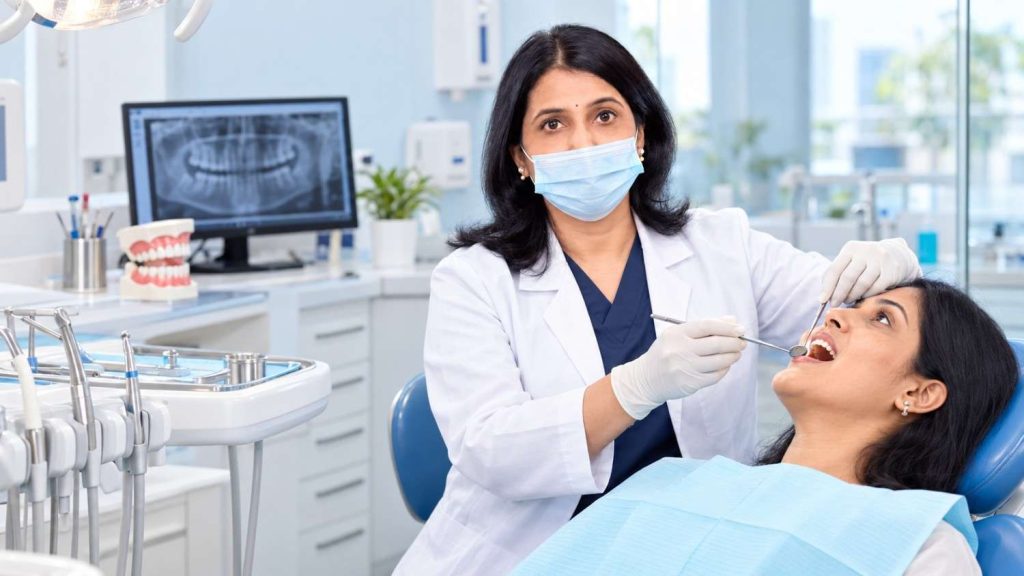
Maintaining good oral health is an important part of overall well-being. Regular dental check-ups, proper brushing techniques and healthy eating habits can help prevent common dental problems. If you are searching for a Dentist in Shivajinagar, understanding preventive dental care can help you make informed decisions about your oral health.
Dental problems such as cavities, gum inflammation, plaque buildup and tooth sensitivity can often be managed more effectively when identified early. Rather than waiting for pain or discomfort, taking small preventive steps every day can support healthier teeth and gums.
What Is Preventive Dental Care?
Preventive dental care includes the daily habits and professional dental services that help maintain oral hygiene and reduce the risk of dental diseases.
It focuses on keeping teeth and gums healthy through:
- Brushing twice a day with fluoride toothpaste.
- Cleaning between teeth using dental floss or interdental brushes.
- Visiting a dentist for routine examinations.
- Limiting sugary foods and beverages.
- Maintaining a balanced diet.
- Identifying dental concerns before they become more serious.
Preventive care is suitable for children, adults and older individuals. Oral hygiene requirements may differ depending on age, dental history and individual needs.
Why Is Regular Dental Care Important?
Ignoring oral hygiene can contribute to several dental concerns. Regular care helps identify potential problems and supports long-term oral health.
1. Helps Prevent Tooth Decay
Tooth decay develops when bacteria in dental plaque produce acids that gradually damage tooth enamel. Frequent consumption of sugary foods and inadequate brushing can increase the risk.
Brushing with fluoride toothpaste, reducing frequent sugar intake and getting professional dental advice can help protect teeth.
2. Supports Healthy Gums
Gum problems may begin with plaque accumulation along the gumline. Early signs can include redness, swelling or bleeding while brushing.
Maintaining proper oral hygiene and seeking dental evaluation when symptoms occur can help prevent gum problems from progressing.
3. Helps Identify Dental Problems Early
Regular dental examinations allow a dental professional to assess the teeth, gums and other oral structures. Early evaluation may help identify cavities, gum disease and other concerns before they cause significant discomfort.
4. Maintains Fresh Breath
Persistent bad breath may be associated with poor oral hygiene, gum problems, dry mouth or other underlying conditions.
Cleaning the tongue, brushing regularly, drinking sufficient water and addressing dental concerns can help improve oral freshness.
Daily Habits for Better Oral Hygiene
A consistent oral hygiene routine is one of the simplest ways to protect your teeth.
Brush Your Teeth Twice Daily
Brush in the morning and before going to bed. Use a soft-bristled toothbrush and fluoride toothpaste. Brush gently for approximately two minutes, covering all tooth surfaces.
Avoid brushing too aggressively because excessive pressure may irritate the gums and contribute to enamel wear.
Clean Between Your Teeth
A toothbrush may not reach every area between the teeth. Dental floss or suitable interdental cleaning tools can help remove food particles and plaque from these spaces.
Ask your dentist which cleaning method is appropriate for your teeth and gums.
Reduce Sugary Snacks
Frequent consumption of sweets, chocolates, sugary beverages and sticky foods can increase the risk of tooth decay.
Try to limit frequent snacking and choose nutritious foods such as vegetables, fruits, nuts and other balanced meal options.
Stay Hydrated
Drinking water supports saliva production and helps maintain a healthy oral environment. Saliva plays an important role in protecting teeth and washing away food particles.
Replace Your Toothbrush Regularly
Replace your toothbrush approximately every three to four months, or earlier if the bristles become frayed. A worn toothbrush may not clean teeth effectively.
When Should You Visit a Dentist?
You should consider scheduling a dental examination if you experience:
- Toothache or recurring tooth sensitivity.
- Bleeding or swollen gums.
- Persistent bad breath.
- Visible cavities or dark spots on teeth.
- Pain while chewing.
- Loose or damaged teeth.
- Mouth ulcers that do not heal.
Severe tooth pain, facial swelling or signs of infection require prompt professional evaluation. Do not rely only on home remedies for persistent dental symptoms.
Routine dental visits are also useful even when you do not have noticeable symptoms. Your dentist can recommend an appropriate check-up and cleaning schedule based on your oral health.
How to Choose the Right Dental Professional
Choosing a dental professional involves more than selecting a clinic based on distance. Consider these factors before scheduling an appointment:
- Qualifications: Check the dentist’s professional qualifications and relevant experience.
- Range of services: Understand whether the clinic provides the dental services you may need.
- Hygiene standards: Look for a clean and organised clinical environment.
- Communication: Choose a professional who explains dental concerns and available treatment options clearly.
- Patient feedback: Read genuine patient reviews to understand other patients’ experiences.
- Convenient location: Consider accessibility and appointment availability.
If you are comparing options for the Best Dentist in Shivajinagar, review the dentist’s qualifications, services, patient feedback and suitability for your dental requirements rather than relying on rankings alone.
Common Dental Care Mistakes to Avoid
Even people who brush daily may follow habits that affect their oral health.
Brushing Too Hard
Applying excessive pressure can irritate gums and damage tooth surfaces. Use gentle circular movements with a soft-bristled toothbrush.
Skipping Flossing
Brushing alone may not remove plaque and food particles from tight spaces between teeth. Include interdental cleaning in your daily routine.
Ignoring Bleeding Gums
Bleeding gums should not be considered normal. If bleeding continues, consult a dental professional to identify the cause.
Delaying Dental Appointments
Waiting until dental pain becomes severe may allow certain problems to progress. Seek professional advice when symptoms first appear.
Using Home Remedies Without Guidance
Some online dental remedies may be unsuitable or harmful. Avoid applying harsh substances to teeth or gums without professional advice.
Frequently Asked Questions About Preventive Dental Care
1. How many times should I brush my teeth daily?
Most people should brush twice daily using fluoride toothpaste. Brush gently for approximately two minutes each time.
2. Is flossing necessary if I brush regularly?
Yes. Flossing or using suitable interdental cleaning tools helps clean spaces that a toothbrush may not reach effectively.
3. How often should I visit a dentist?
The frequency depends on your oral health, dental history and individual risk factors. Your dentist can recommend a suitable check-up schedule.
4. What are the early signs of gum disease?
Redness, swelling, tenderness and bleeding while brushing may indicate gum inflammation. Consult a dentist for proper evaluation.
5. Can tooth decay be prevented?
Good oral hygiene, fluoride toothpaste, reduced sugar intake and regular dental examinations can help lower the risk of tooth decay.
Final Thoughts
Preventive dental care is about building consistent habits and seeking professional advice when needed. Brushing correctly, cleaning between teeth, eating a balanced diet and attending dental examinations can help maintain oral health over time.
For individuals looking for information about dental services and professional oral care in Shivajinagar, Dental Clinic in Shivajinagar is a useful starting point to explore Neowoman Dental Clinic – Dr. Ashwini Ganapule and its Google Business Profile.